


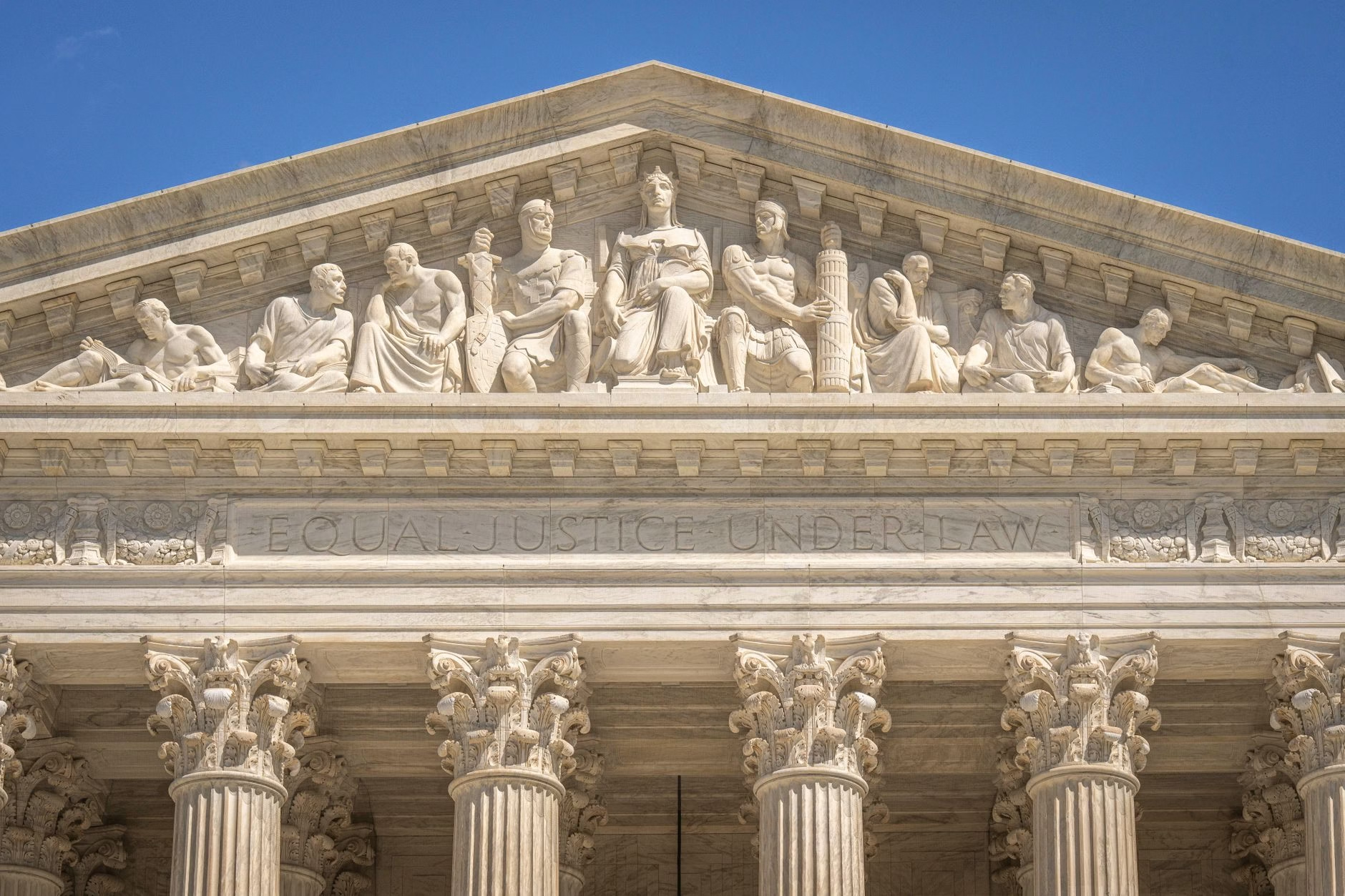
Supreme Court Criticisms and Democratic Concerns
Justice Elena Kagan has raised serious concerns regarding the direction of the highest court in the United States. During a public appearance, she articulated that recent rulings delivered by her conservative colleagues have directly contributed to heightened political polarization across the nation. Furthermore, she suggested that these judicial decisions are actively undermining the foundational strength of American democracy.
Timing of the Remarks
These statements were delivered publicly just two weeks prior to the scheduled midterm elections. The timing placed her commentary at the center of national attention, as voters prepared to cast ballots while debating the future of judicial influence on everyday governance and civil rights.
Weakening the Voting Rights Act
At the core of Justice Kagan’s critique were specific rulings that have systematically dismantled key components of the Voting Rights Act. By reducing federal oversight and limiting legal avenues to challenge discriminatory voting practices, the court has allowed various state-level restrictions to take effect. Critics argue these changes make it significantly harder for minority populations to participate fully in elections.
Erosion of Public Trust
Beyond specific policy outcomes, Justice Kagan emphasized the broader institutional damage occurring when the public perceives the judiciary as partisan. When landmark legal precedents are overturned abruptly, citizens begin to view the court not as a neutral arbiter of law, but as a political actor driven by ideological goals. This perception severely erodes the public trust necessary for a stable legal system.
Polarization and the Future of Governance
The ongoing ideological divide within the judiciary mirrors the broader cultural and political fractures in the country. As legal protections shift based on the changing ideological majority of the bench, stability gives way to uncertainty. Justice Kagan’s warnings highlight an urgent need for institutional reflection to ensure that the highest court remains a pillar of fairness rather than a source of deeper division.






















Leave a Reply