


Market Pressures and Corporate Warnings
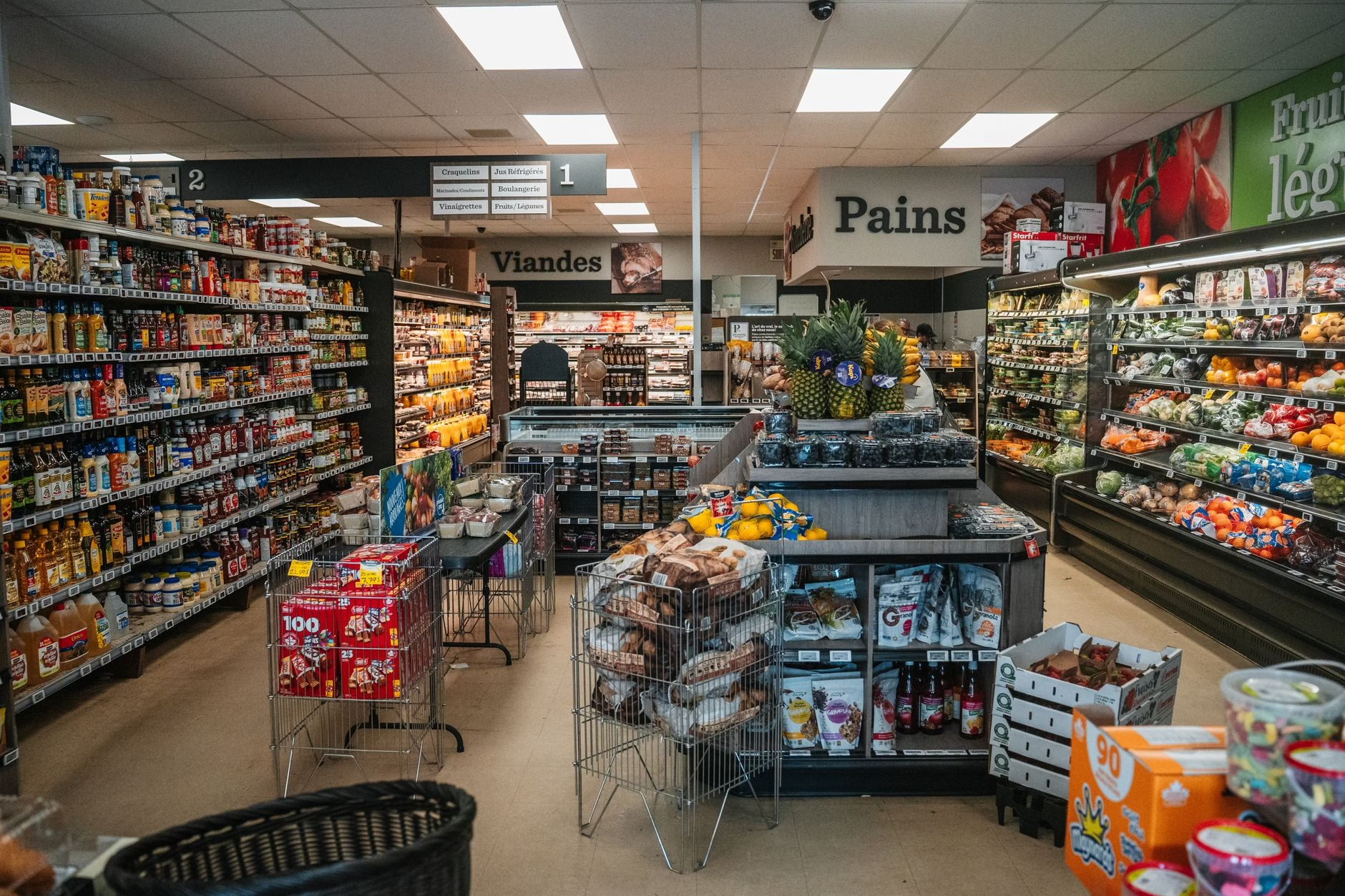
Equities for a major French retail corporation experienced a drastic decline, dropping by twelve percent following a critical financial warning issued by corporate leadership. The leadership team cautioned that ongoing, widespread social unrest across the nation would severely disrupt daily business operations and negatively affect upcoming financial performance metrics.
The unexpected downturn highlights the vulnerability of large retail enterprises to domestic instability and public demonstrations. As protests continue to sweep through urban centers and regional hubs, major supply chains and consumer traffic patterns face immediate disruption. Investors reacted swiftly to the guidance cut, driving the sharp sell-off in the company’s valuation.
Understanding the Financial Impact
The revision in financial outlook reflects deep concern among executives regarding consumer behavior during periods of prolonged civil disturbance. Retail outlets often suffer from localized closures, security measures, and diminished foot traffic when demonstrations escalate in proximity to commercial zones.
Furthermore, logistical networks rely heavily on unobstructed transport routes to maintain inventory levels. Any impediment to these networks causes immediate shortages on shelves, leading to lost revenue opportunities and increased operational costs. The retail giant noted that these cumulative factors created an environment where previous financial targets are no longer attainable for the current fiscal period.
Broader Economic Implications
The situation underscores a wider economic anxiety affecting the retail sector within the region. When prominent consumer-facing businesses signal distress due to social factors, market analysts often view it as a leading indicator of diminished consumer confidence and reduced discretionary spending.
Industry observers point out that prolonged instability can alter consumer habits permanently, shifting more volume toward online channels or altering traditional shopping frequencies. However, even digital delivery networks can experience delays when widespread disruptions affect fulfillment centers and courier routes.
Corporate Strategy Moving Forward
In response to the mounting challenges, corporate strategists are actively evaluating risk management protocols to safeguard assets and ensure the safety of employees and customers. Protecting physical infrastructure remains a primary priority as demonstrations show little sign of immediate resolution.
Management emphasized that contingency plans are already in deployment to mitigate the fallout from further disruptions. These measures include optimizing inventory distribution, enhancing security at vulnerable locations, and maintaining open communication channels with investors and regulatory bodies.
Conclusion and Market Outlook
The sharp decline in share value serves as a stark reminder of how external social factors can abruptly alter corporate fortunes. As the retail sector navigates this turbulent period, stakeholders will closely monitor the trajectory of the unrest and its subsequent influence on broader economic stability.


















Leave a Reply