



Leaders Unite Against Economic Pressure
Iranian President Masoud Pezeshkian and Russian President Vladimir Putin have publicly criticized Western economic sanctions, utilizing a prominent international platform to voice their joint opposition. Both heads of state argued that restrictive financial measures imposed by Western nations severely impact global commerce and sovereign development.
During their recent high-level discussions, the two leaders emphasized the urgent need for alternative financial mechanisms. They pointed out that unilateral sanctions create unnecessary hurdles for emerging economies and disrupt established supply chains across multiple continents.
Strengthening the BRICS Coalition
In response to mounting financial pressures from the West, both leaders directed their attention toward the BRICS bloc. They formally urged member nations to deepen their economic ties, enhance mutual investments, and accelerate ongoing efforts to reduce reliance on traditional Western-dominated financial systems.
Expanding cooperation within the BRICS framework offers a viable pathway for nations facing international trade restrictions. By fostering closer commercial partnerships, member countries can better insulate their domestic markets from external financial shocks and political pressures.
Expanding Energy and Trade Partnerships
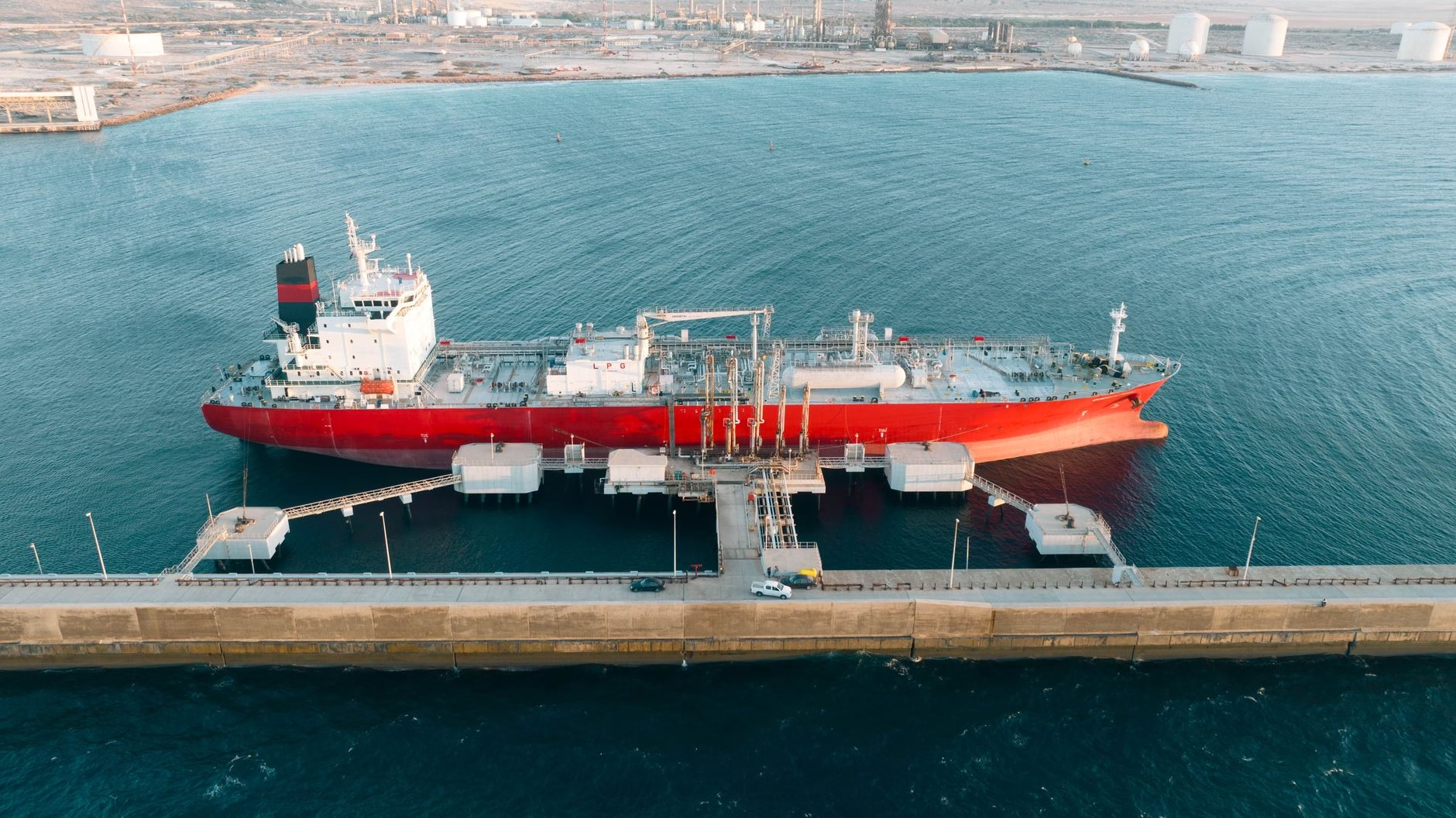
Beyond broader economic integration, the discussions placed significant emphasis on bilateral trade and energy cooperation. Both nations share extensive interests in key sectors, including oil, natural gas, and cross-border infrastructure development.
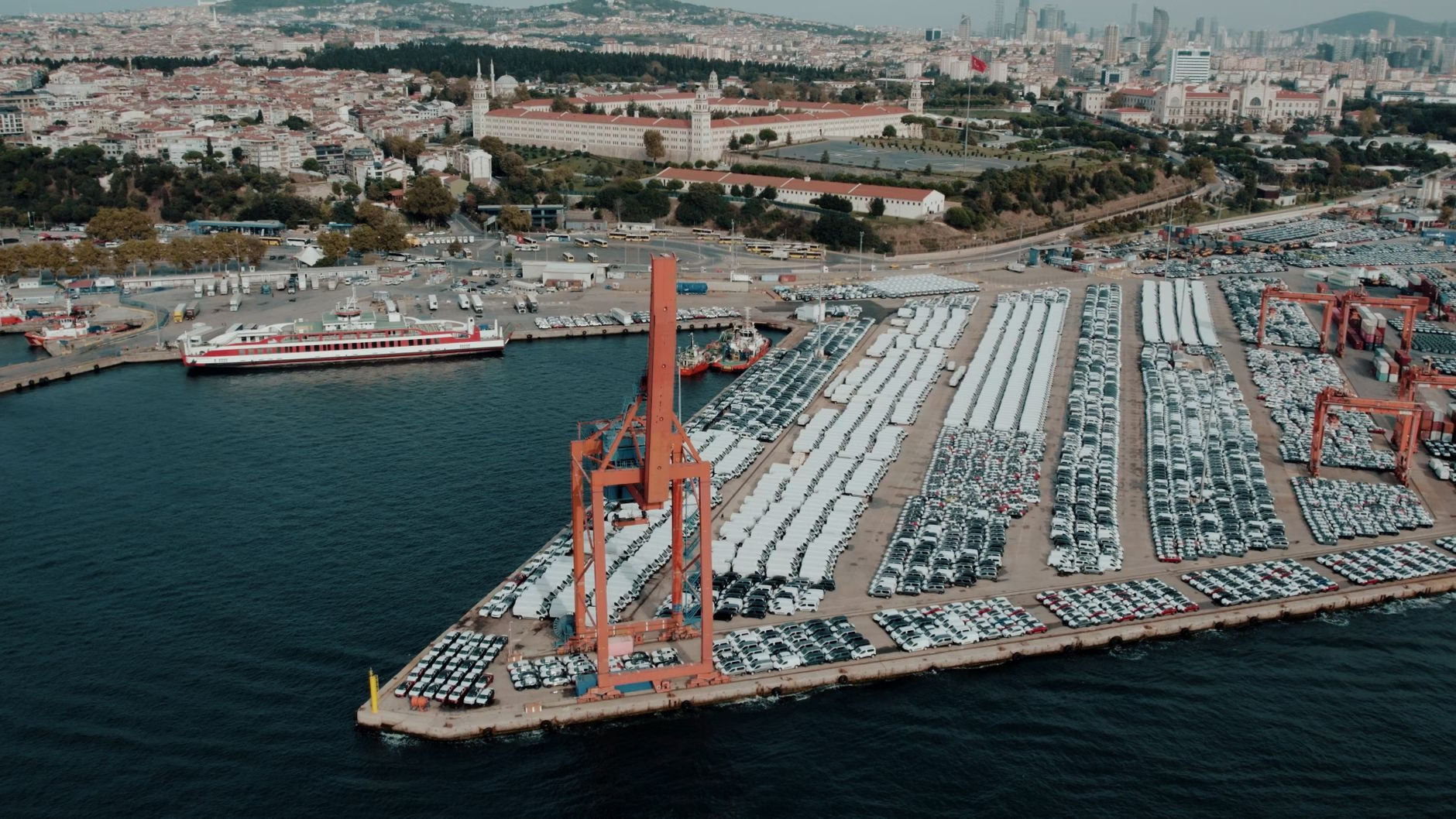
Enhancing connectivity between these nations remains a top priority for their respective administrations. Closer collaboration in transportation corridors and energy supply networks will facilitate smoother commerce and bolster long-term economic stability for both countries.
The Future of Global Economic Multipolarity
The push for stronger ties within the BRICS alliance highlights a broader global shift toward economic multipolarity. As more nations seek alternatives to traditional Western financial infrastructure, coalitions like BRICS are poised to play an increasingly central role in shaping international trade policies.
Both leaders reaffirmed their commitment to working closely with fellow member states to promote fair trade practices and support sustainable economic growth. Their joint stance signals a concerted effort to build resilient economic networks that operate independently of Western regulatory influence.



















Leave a Reply