


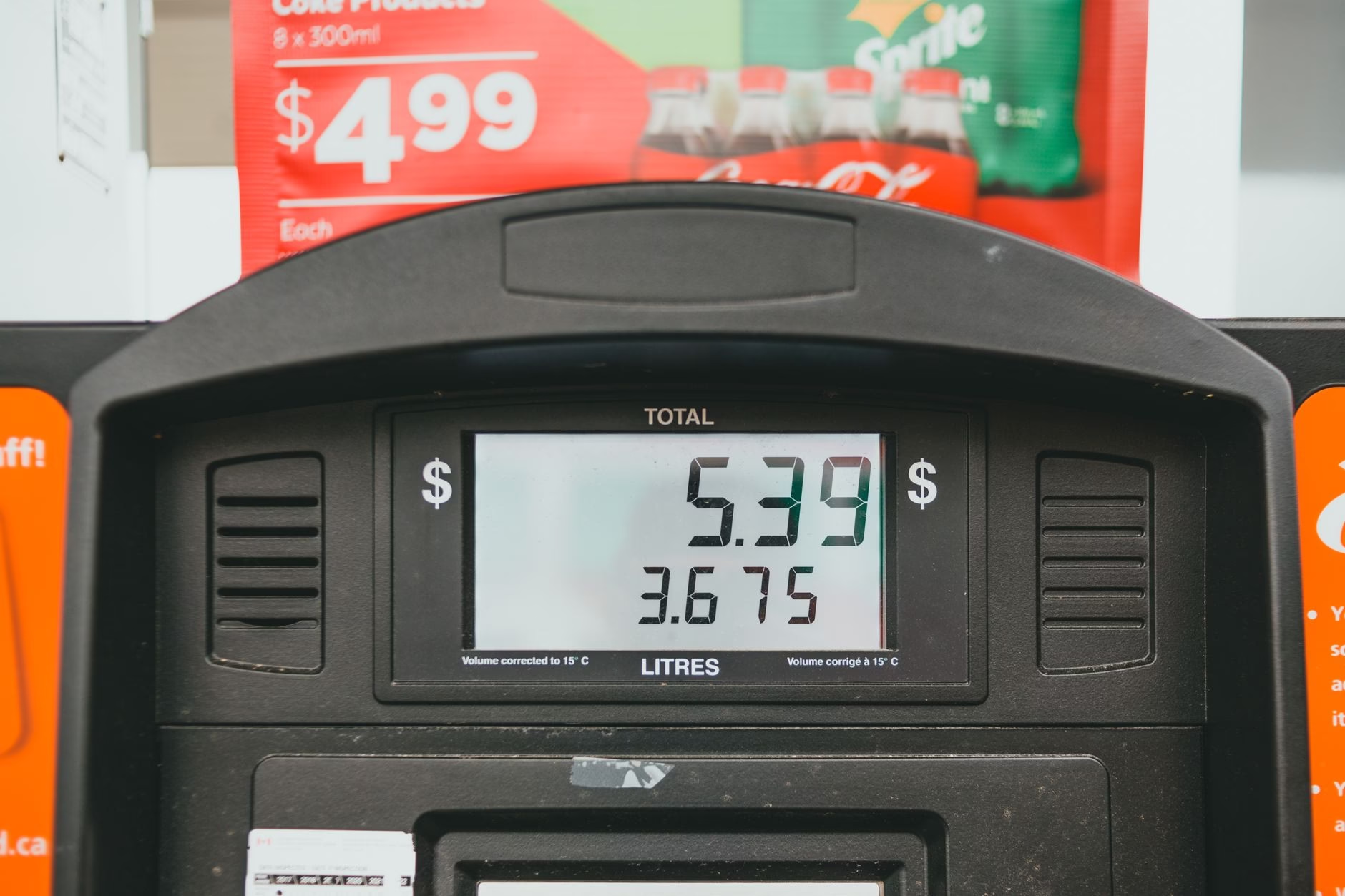
The geopolitical landscape often plays a critical role in determining the economic well-being of households across the globe. Among the most volatile factors influencing everyday expenses is the cost of energy. When military conflicts erupt in major oil-producing regions, the ripple effects are felt almost immediately at local gas stations and in utility bills.
The Ongoing Energy Market Reaction
Ever since hostilities involving Iran began, energy markets have experienced sustained turbulence. Because this specific region sits near crucial maritime shipping lanes and houses massive petroleum reserves, any escalation naturally triggers immediate anxiety among traders. The continuous state of conflict creates a permanent risk premium that gets factored directly into the cost of crude oil.
Supply Chain Vulnerabilities and Strategic Chokepoints
A primary concern for energy analysts is the safety and accessibility of critical transport routes. A significant portion of the world’s petroleum travels through narrow passages that can be easily monitored, restricted, or blocked during wartime. When these maritime routes face threats, shipping companies must reconsider their operations, leading to delays and higher transportation costs.
Refining Capacities and Finished Products
Crude oil alone does not power vehicles or heat homes. It must first be processed into refined products like gasoline, diesel, and jet fuel. Conflict-related disruptions can affect regional refineries or force traders to source crude from alternative, more expensive locations. These operational hurdles compound the financial pressure, ensuring that higher crude costs translate directly into elevated prices at the pump.
Economic Fallout for Everyday Consumers
For the average consumer, the persistent conflict manifests as a steady strain on personal finances. Higher fuel prices increase the cost of commuting, traveling, and shipping goods. Since nearly every industry relies on transportation, elevated energy expenses often trigger a broad rise in the cost of consumer goods, groceries, and services.
What to Expect in the Future
Economic and national security experts closely monitor these developments to anticipate where energy markets might head next. As long as diplomatic resolutions remain out of reach and regional tensions persist, the baseline cost of oil is likely to remain elevated. Consumers and businesses alike must continue to adapt to a landscape where energy costs are heavily influenced by geopolitical instability.






















Leave a Reply