


The Ban on Female Education
Five years have passed since the governing authorities in Afghanistan officially prohibited young women from pursuing formal education past the sixth grade. This sweeping restriction effectively erased the academic futures of millions of female students across the country, shutting them out of secondary institutions and universities. The policy marked a devastating turning point for human rights and gender equality within the nation.
Despite the extreme risks involved, a resilient network of educators and students has refused to let the pursuit of knowledge die. Across various hidden locations, clandestine learning centers have emerged to keep the flame of education alive for teenagers who are determined to learn.
Risking Everything for Knowledge
Attending these covert classrooms is a matter of profound personal danger. Students and teachers face severe consequences, including imprisonment, violence, and social persecution, if their identities or locations are discovered by authorities. Every time these young women leave their homes carrying books, they do so knowing the immense perils they face.
Security protocols at these secret institutions are exceptionally strict. Participants often travel in staggered groups, disguise their intentions, and rely on trusted community networks to prevent detection. The sheer courage required just to sit at a desk and open a notebook highlights the desperate hunger for learning that persists among Afghan youth.
An Inside Look at a Secret Classroom
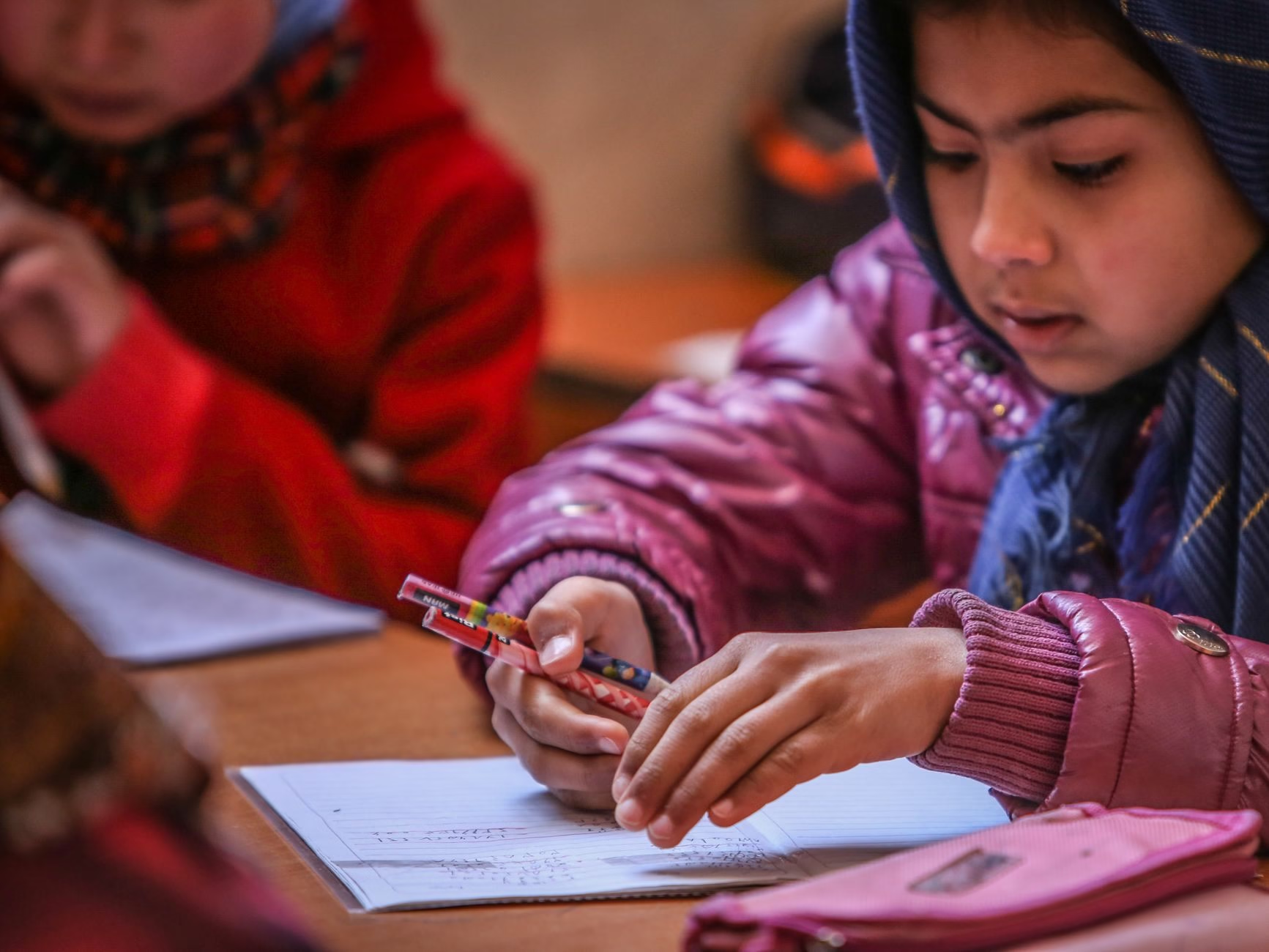
Recent rare reporting from inside one of these clandestine facilities reveals a deeply moving environment of determination and focus. In these hidden spaces, teenagers gather to study subjects like mathematics, science, and literature, defying the limitations imposed upon their generation.
The atmosphere inside the classroom is a blend of profound tension and unwavering hope. Students share limited resources, whispering lessons to avoid drawing attention from the outside world. For these teenagers, the classroom represents much more than academic instruction; it serves as a vital lifeline to the outside world and a symbol of resistance against oppression.
The Future of Afghan Youth
The resilience demonstrated by these students underscores an unbreakable spirit in the face of systemic adversity. While the broader international community continues to monitor the situation, the daily reality for these young women remains a grueling test of endurance and bravery.
As the ban on education enters its sixth year, the existence of these underground schools proves that the desire for self-improvement and progress cannot be entirely extinguished by decree. These students continue to study in the shadows, holding onto the hope that one day they will be able to learn openly and freely in their own homeland.




















Leave a Reply