


Environmental Monitoring and Global Impact
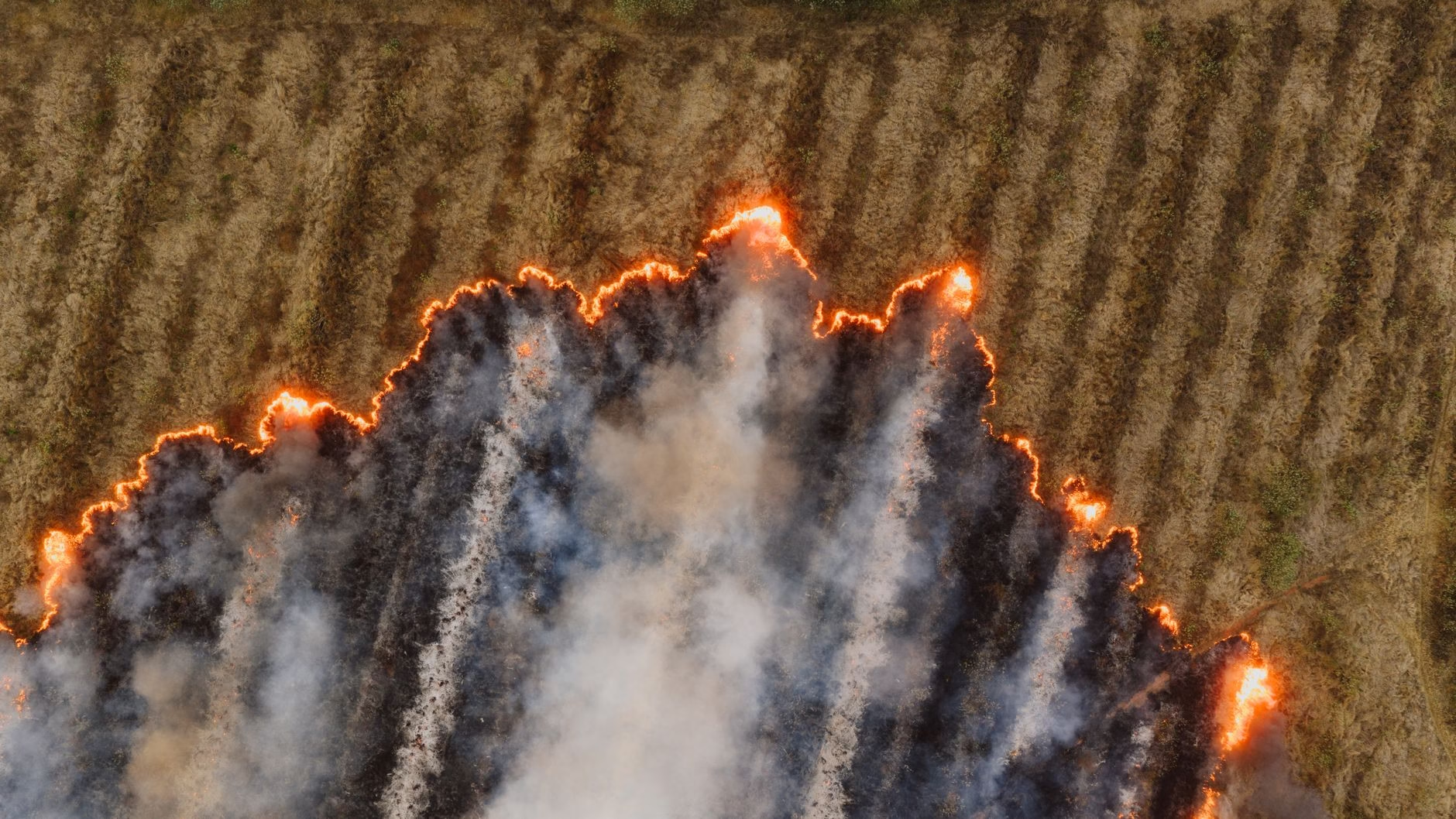
Recent environmental data indicates a massive surge in wildfire emissions across Indonesia, propelling the nation to the top of global lists for carbon output from fires. This alarming trend has drawn the attention of international climate scientists and environmental organizations alike. The rapid increase in atmospheric pollutants highlights the vulnerability of the region’s vast peatlands and forests during dry periods.
Understanding the Scale of the Crisis
Forest and land fires are not a new phenomenon in the region, yet the sheer volume of greenhouse gases released in the latest incidents represents an unprecedented peak. Monitoring systems tracking global atmospheric conditions registered a dramatic spike in carbon dioxide and other particulate matter originating from the affected areas. This surge outpaces emissions recorded anywhere else on the planet during the same monitoring window.
Underlying Factors Contributing to the Blazes
Climatic anomalies and extended dry seasons significantly exacerbate the frequency and intensity of these outbreaks. Land clearing practices and agricultural expansion further compound the risk, allowing accidental blazes to spread rapidly across vast terrain. Once fires ignite in carbon-rich peat soils, they become notoriously difficult to extinguish, smoldering underground for weeks and releasing continuous plumes of smoke into the atmosphere.
Consequences for Regional Air Quality
The immediate aftermath of these intense blazes extends far beyond ecological disruption, directly impacting human health and daily life. Thick smog blankets local communities, reducing visibility and severely degrading air quality indices. Health authorities frequently issue warnings advising residents to limit outdoor exposure and wear protective masks to mitigate respiratory complications caused by the dense particulate matter.
Broader Implications for Global Climate Goals
With Indonesia recording the highest wildfire emissions globally, the situation complicates international efforts to curb greenhouse gas concentrations. Peatland fires release ancient stored carbon back into the atmosphere, accelerating warming trends on a planetary scale. Environmental experts emphasize that aggressive prevention strategies and improved land management are vital to mitigating future disasters and protecting global climate stability.
Path Forward and Mitigation Strategies
Addressing this escalating crisis requires coordinated action between local governments, agricultural enterprises, and international stakeholders. Enhanced early warning systems, stricter enforcement of regulations against illegal burning, and the restoration of degraded peatland ecosystems form the cornerstone of effective long-term solutions. Safeguarding these vulnerable landscapes remains essential for reducing emissions and preserving biodiversity for future generations.





















Leave a Reply