


Emergency Power Support From India
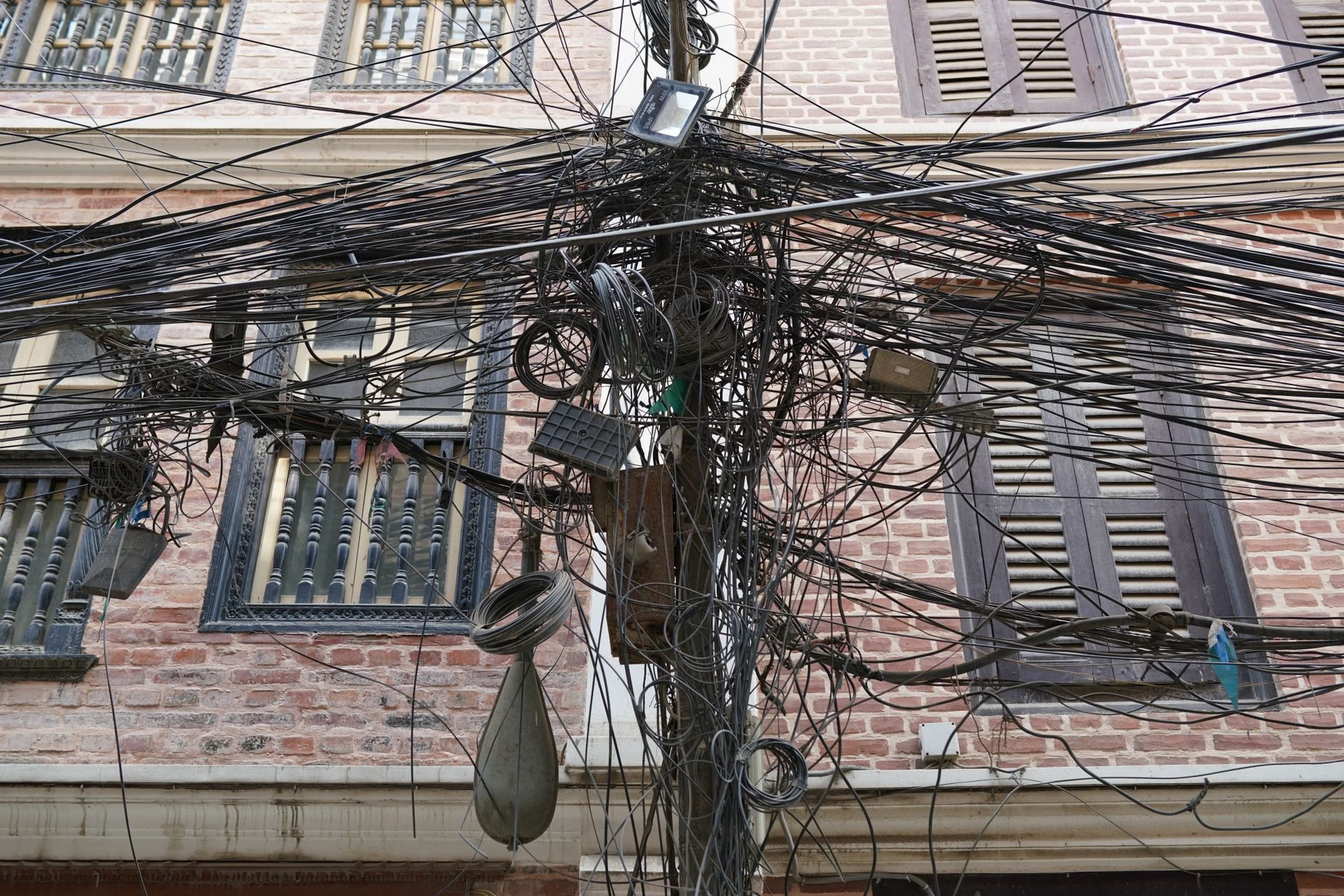
India has agreed to provide electricity assistance to neighboring Nepal following severe monsoon floods that severely damaged local renewable energy generation facilities. The extreme weather events overwhelmed regional river systems, washing away crucial infrastructure and forcing a temporary halt at numerous hydropower generation sites across the Himalayan nation.
Monsoon Devastation on Hydropower
Torrential seasonal rains triggered catastrophic flooding and landslides throughout Nepal. The natural disaster heavily impacted river-fed energy installations, which form the backbone of the country electrical grid. With multiple dams and generation plants offline, national authorities faced an acute power deficit, threatening domestic supply stability and essential public services.
Cross-Border Energy Cooperation
In response to the crisis, regional diplomatic and energy channels mobilized quickly to establish emergency power transmission corridors. The arrangement leverages existing high-capacity cross-border transmission lines to redirect surplus power from the Indian grid directly into Nepal. This immediate intervention aims to stabilize local voltage levels and ensure hospitals, water treatment plants, and households maintain continuous access to electricity.
Restoration Efforts and Future Resilience
While imported electricity provides a vital short-term bridge, engineering teams on the ground are working diligently to assess structural damage and begin the arduous cleanup process at the affected sites. Repairing the damaged turbines and substation equipment is expected to take considerable time due to ongoing weather challenges and difficult terrain access.
Energy sector planners are also utilizing this crisis to reevaluate infrastructure resilience against extreme weather events driven by changing climate patterns. Strengthening flood defenses and diversifying power sources remain top priorities for long-term regional stability and energy security.
















Leave a Reply