


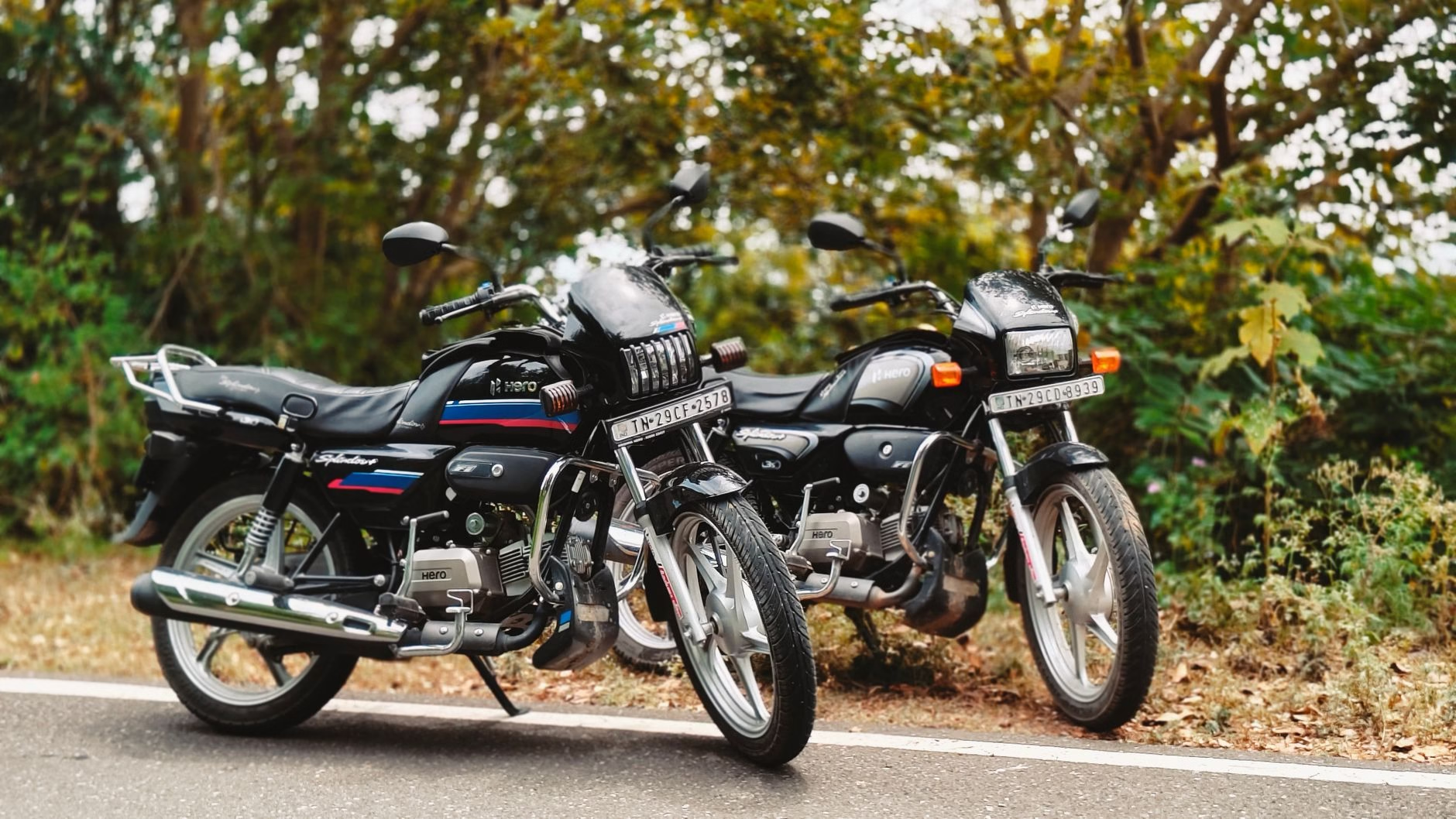
India Drives Global Two-Wheeler Market With Massive Export Of Small Motorcycles
Introduction To The Indian Two-Wheeler Boom
The landscape of international transportation is undergoing a quiet transformation, driven largely by manufacturing powerhouses in South Asia. Over recent years, India has emerged as a titan in the production and global distribution of two-wheelers. While major Western and Japanese brands often capture headlines for high-displacement superbikes, a different category is quietly dominating shipping containers leaving Indian ports. Millions of compact, highly efficient motorcycles are making their way to developing and developed nations alike.
This phenomenon highlights a broader shift in global manufacturing and consumer preferences. As urban congestion increases and economic pressures mount in various parts of the world, affordable and fuel-efficient personal transport has never been in higher demand. Indian factories have scaled up production to meet this need, leveraging advanced engineering capabilities and massive domestic supply chains to compete on a global scale.
Understanding The Appeal Of Small-Displacement Bikes
The vast majority of motorcycles leaving Indian shores feature small engines, typically under 250 cubic centimeters. These compact machines are designed with specific priorities in mind. Fuel economy, durability, and low maintenance costs rank far above high-speed performance or luxury aesthetics. For millions of daily commuters across continents, these motorcycles represent an accessible entry point into motorized personal transport.
The engineering behind these small bikes has evolved significantly. Modern Indian-made motorcycles feature reliable fuel injection systems, compliant emission standards, and surprisingly modern styling. Despite their modest engine sizes, they are built to withstand rigorous daily use in challenging road conditions. This combination of resilience and affordability makes them exceptionally attractive to international buyers looking for practical mobility solutions.
Global Markets And Export Destinations
The reach of these Indian-manufactured motorcycles extends far beyond domestic borders. Shipments are regularly dispatched to numerous countries across Africa, Latin America, Southeast Asia, and even parts of Europe. In many developing economies, these vehicles serve as the primary backbone of commercial delivery services, public transport alternatives, and daily commuting.
Local dealerships in importing nations find these models particularly appealing because they offer reliable performance at a fraction of the cost of traditional Western brands. Furthermore, the availability of affordable spare parts from India ensures that these motorcycles can be maintained economically over long lifespans, cementing their reputation for reliability in overseas markets.
Economic Drivers Behind The Manufacturing Surge
Several key factors explain why India has successfully positioned itself as a leading global supplier of small motorcycles. First, the domestic market in India is one of the largest in the world, creating immense economies of scale. Manufacturers can produce millions of units locally, driving down per-unit production costs significantly before export operations even begin.
Second, strategic investments in manufacturing technology and workforce training have elevated the quality standards of Indian automotive plants. Leading local companies have formed partnerships with renowned international brands, absorbing advanced techniques and applying them across their own proprietary product lines. This blend of local manufacturing strength and global design standards creates a powerful competitive advantage.
Environmental And Future Outlook
As global environmental regulations become stricter, the export profile of Indian motorcycles is also adapting. Manufacturers are increasingly integrating cleaner technology, including enhanced emission controls and the development of electric two-wheelers. While internal combustion engines with small displacement still dominate current export figures, the groundwork is being laid for alternative propulsion technologies.
The future of global mobility will likely continue to rely heavily on affordable, compact vehicles. By mastering the production and distribution of small motorcycles, the Indian automotive sector has secured a vital role in shaping how the world moves. As these millions of compact machines continue to navigate streets worldwide, they underscore a lasting shift toward practical, accessible, and economically viable transportation.






















Leave a Reply