


The Global Aviation Landscape
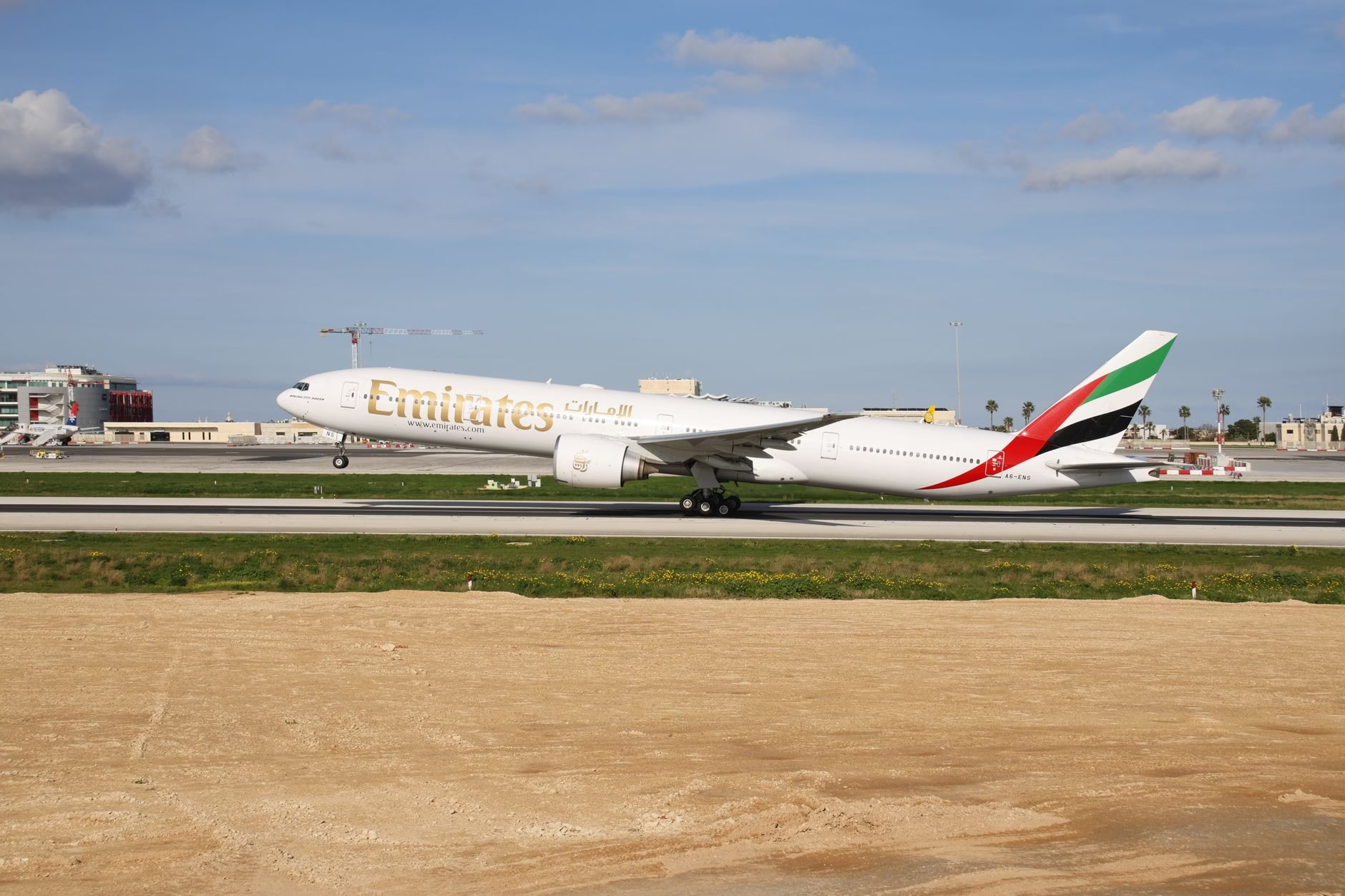
The international aviation sector is experiencing a profound shift in power dynamics. For decades, legacy carriers based in Europe dominated long-haul travel routes across the globe. Today, however, major airlines originating from the Arabian Gulf are reshaping the industry entirely. These carriers are expanding their networks, upgrading passenger experiences, and securing a larger share of the international transit market.
Strategic Hub Locations
A primary advantage for these Middle Eastern carriers is geography. Positioned at the crossroads of East and West, their primary hubs allow travelers to connect between major continents with unmatched efficiency. Rather than relying on secondary airports, these centralized megahubs function as seamless transit points for millions of passengers traveling between Asia, Africa, Europe, and the Americas.
Fleet Modernization and Investment
Financial strength has enabled these airlines to invest heavily in modern fleets. By operating some of the newest and most fuel-efficient aircraft in the world, they maintain high standards of operational reliability. Furthermore, this heavy capital expenditure allows them to offer superior comfort features, ranging from expansive business class suites to advanced in-flight entertainment systems.
Challenges Faced by European Competitors
Traditional European airlines have increasingly voiced concerns over the rapid growth of their Gulf counterparts. These legacy carriers often grapple with higher operating costs, stringent regulatory environments, and labor negotiations that can limit flexibility. As a result, maintaining competitive pricing on lucrative long-distance routes has become an uphill battle for European operators.
Future Outlook for International Travel
Looking ahead, the momentum of Middle Eastern aviation shows no signs of slowing down. As these airlines continue to forge strategic partnerships and expand their codeshare agreements, their global reach will only deepen. Passengers worldwide stand to benefit from this intense competition through improved service standards and greater choice on global corridors.





















Leave a Reply