


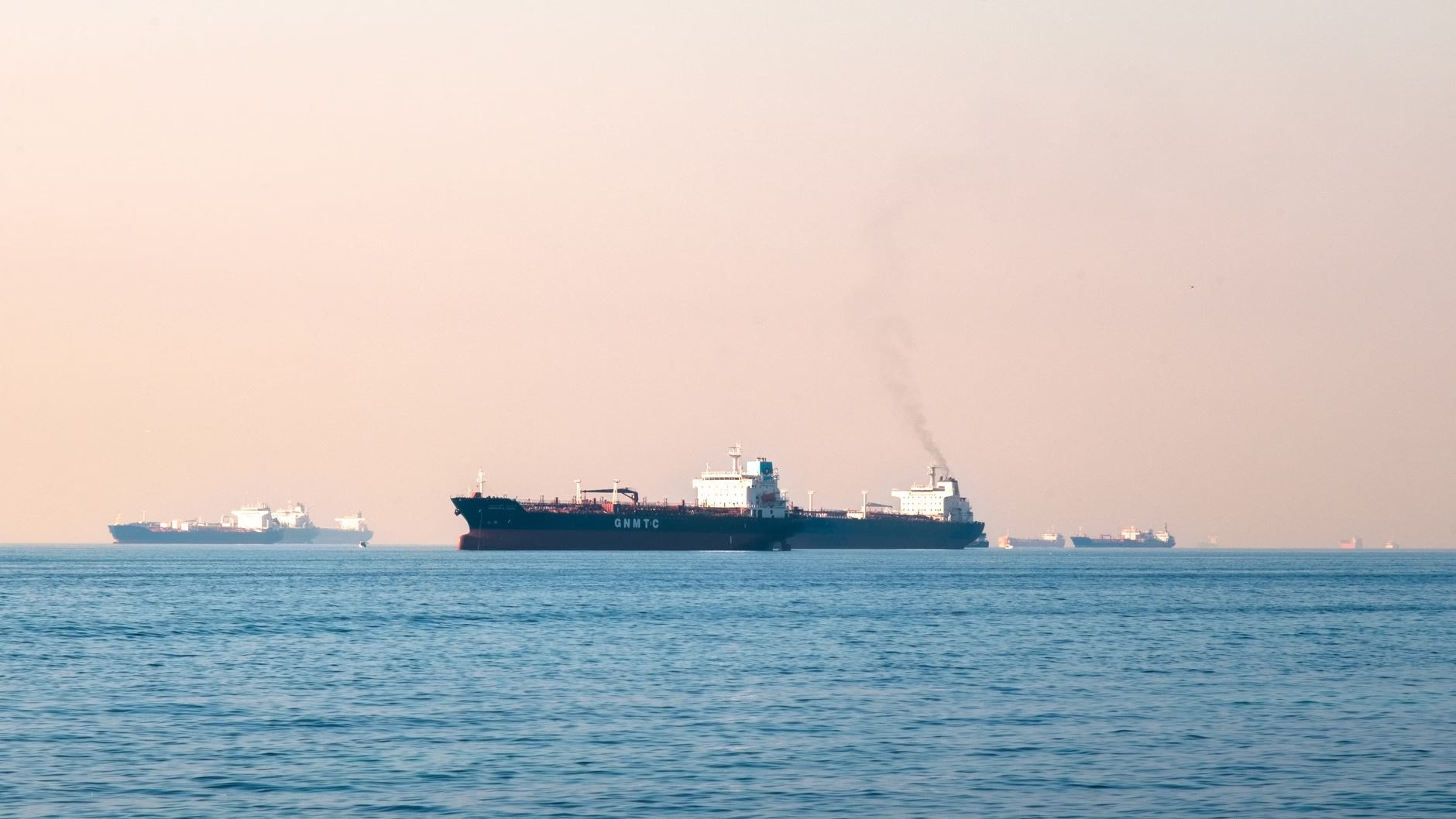
The strategic waters of the Strait of Hormuz have once again become a focal point of international concern following a recent maritime incident. This attack coincides with the expiration of a temporary ceasefire between the United States and Iran, a development that appears to have solidified the positions of both nations and diminished prospects for immediate diplomatic resolution. The current trajectory suggests an increasing risk of a protracted confrontation, with significant implications for regional stability and global commerce.
TheThe Incident in the Strait of Hormuz
A vessel traversing the critical shipping lane of the Strait of Hormuz recently experienced an assault, drawing immediate global attention to the volatile region. While specific details of the incident remain under investigation, its occurrence underscores the persistent security challenges within these vital waterways. Such events invariably heighten anxieties among international shipping communities and global powers monitoring the area.
Background: The Ceasefire and Its Lapse
For a period, a temporary truce had offered a fragile pause in the long-standing tensions between Washington and Tehran. This agreement, designed to de-escalate immediate hostilities, has now officially concluded. The expiration of this ceasefire marks a critical juncture, removing a key mechanism that had, however imperfectly, managed to contain direct confrontations. Its absence now paves the way for a more unconstrained environment, where previous restraints may no longer apply.
Escalating Tensions Between the U.S. and Iran
Following the lapse of the temporary truce, both the United States and Iran have reportedly adopted more rigid stances. Indications suggest a deepening entrenchment of their respective positions, with a noticeable hardening of rhetoric and policy. Efforts to re-engage in negotiations have been met with rejection from both sides, signaling a reluctance to pursue diplomatic pathways in the immediate aftermath of the ceasefire’s expiry. This mutual recalcitrance points towards a period of sustained antagonism rather than a swift return to dialogue. The geopolitical landscape of the Middle East is profoundly affected by this dynamic, as two major powers appear to be preparing for an extended period of friction.
Strategic Importance of the Strait of Hormuz
The Strait of Hormuz is not merely a geographical feature; it is a choke point of immense global strategic importance. Situated between the Persian Gulf and the Gulf of Oman, this narrow waterway is the only sea passage from the Persian Gulf to the open ocean. A substantial portion of the world’s seaborne oil passes through this strait daily, making it indispensable for global energy markets. Any disruption to shipping in this area can trigger significant fluctuations in oil prices and impact economies worldwide. Beyond energy, it is a crucial conduit for international trade, linking major economies and supply chains. The security of the Strait is therefore a paramount concern for numerous nations, not just those directly involved in the regional disputes.
Potential Ramifications of Prolonged Conflict
The prospect of a prolonged conflict between the United States and Iran carries profound and far-reaching implications. Economically, sustained instability in the Strait of Hormuz could lead to severe disruptions in global oil supplies, driving up energy costs and potentially triggering economic downturns. International shipping routes would face increased risks, leading to higher insurance premiums and longer transit times, thereby impacting global trade efficiency.
Geopolitically, an extended confrontation could destabilize the entire Middle East region. It might draw in other regional actors, escalating localized disputes into broader conflicts. Humanitarian consequences, including displacement and increased suffering, would also be a significant concern. The international community would face immense pressure to mediate, yet the current rejection of negotiations suggests a challenging path forward.
International Response and Diplomacy
Despite the current impasse in direct negotiations, the international community remains deeply invested in de-escalating tensions. Global powers and international organizations are likely to intensify their diplomatic efforts, seeking avenues to encourage dialogue and prevent further escalation. The focus will be on ensuring the safety of maritime navigation and protecting global economic stability. However, the effectiveness of such interventions will largely depend on the willingness of both the U.S. and Iran to reconsider their hardened positions and engage constructively.
The absence of a formal ceasefire mechanism places a greater onus on multilateral diplomacy and discreet back-channel communications to prevent miscalculation and unintended escalation. The global energy market, in particular, will be closely monitoring developments, as any significant disruption could have immediate and severe worldwide repercussions.
Looking Ahead: The Path Forward
The immediate future for the U.S.-Iran relationship, particularly concerning the Strait of Hormuz, appears fraught with challenges. With the temporary truce dissolved and both nations adopting firmer stances, the path to de-escalation is unclear. The recent attack in the Strait serves as a stark reminder of the ever-present risks in this critical maritime artery.
Observers suggest that without a renewed commitment to diplomatic engagement, the region could experience a period of heightened volatility. The international community’s role in advocating for restraint and facilitating communication will be crucial in navigating this precarious phase. The imperative remains to prevent a localized incident from spiraling into a wider, more devastating regional conflict.
Conclusion
The recent attack in the Strait of Hormuz, occurring shortly after the expiration of a U.S.-Iran temporary ceasefire, underscores a deeply concerning shift towards increased regional instability. With both Washington and Tehran reportedly hardening their positions and rejecting renewed negotiations, the specter of a prolonged conflict looms large. The strategic importance of the Strait to global energy and trade necessitates urgent international attention and concerted efforts to avert further escalation. The coming period will test the resolve of international diplomacy to steer the region away from a potentially devastating confrontation.


















Leave a Reply