


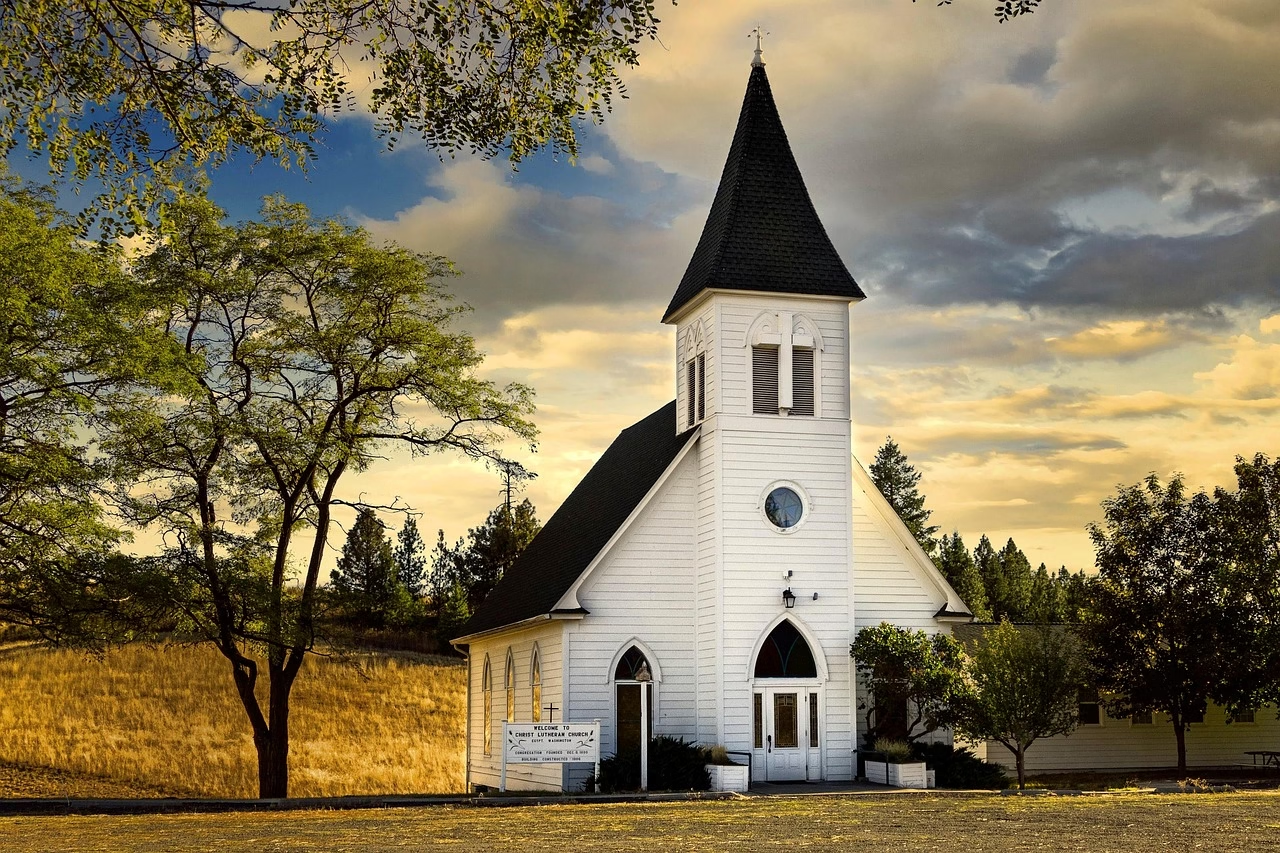
A historic Methodist chapel in rural Missouri continues to hold active worship services within its 140-year-old walls, serving as a living landmark along the iconic Route 66 corridor. This small congregation maintains a tradition of community endurance, representing a rare example of a 19th-century structure that remains tethered to its original purpose amidst the shifting landscape of American travel.
The Preservation of History Along the Mother Road
Route 66, long celebrated as the “Mother Road,” is defined by its collection of roadside diners, neon signs, and eclectic architecture that captured the spirit of mid-century American mobility. However, the route also hosts older, quieter histories that predate the 1926 highway designation.
This Methodist chapel stands as a testament to the pioneers who settled the Missouri Ozarks long before the automobile transformed the region. While many structures of this era have been repurposed into museums or commercial tourist stops, this building remains a functional site of worship for local residents.
A Study in Architectural and Social Longevity
The survival of the chapel relies on a delicate balance between historic preservation and the practical needs of an active congregation. Maintaining a structure built in the 1880s requires constant attention to timber integrity, foundation stability, and the preservation of original aesthetic details that draw Route 66 enthusiasts.
Architectural historians often cite these rural chapels as vital cultural anchors. According to data from the National Trust for Historic Preservation, small rural churches are increasingly vulnerable to closure as rural populations shift; however, those that successfully integrate into the local tourism narrative of routes like the 66 corridor often find renewed support for their upkeep.
The Intersection of Tourism and Faith
For the modern traveler, the chapel offers a moment of introspection in an otherwise fast-paced journey. The juxtaposition of a centuries-old sanctuary against the backdrop of a highway synonymous with speed and change creates a unique draw for heritage tourists.
Local preservationists note that the chapel’s continued operation is not merely about physical maintenance but about maintaining a sense of place. By continuing to hold services, the congregation prevents the building from becoming a static relic, instead keeping it as a dynamic part of the community fabric.
Future Challenges and Community Resilience
Looking ahead, the chapel faces the dual challenge of aging infrastructure and the fluctuating interest of a transient audience. As the preservation community continues to advocate for the protection of Route 66 landmarks, the focus is shifting toward sustainable funding models that allow these sites to remain functional.
Observers of historic preservation expect that the chapel will serve as a bellwether for how small-town religious sites adapt to the 21st-century tourism economy. Future efforts will likely prioritize the digitizing of the chapel’s records and the expansion of community-led fundraisers to ensure the roof and foundation can withstand another century of Missouri weather.

























Leave a Reply