


The Accelerating Crisis in the Mountains
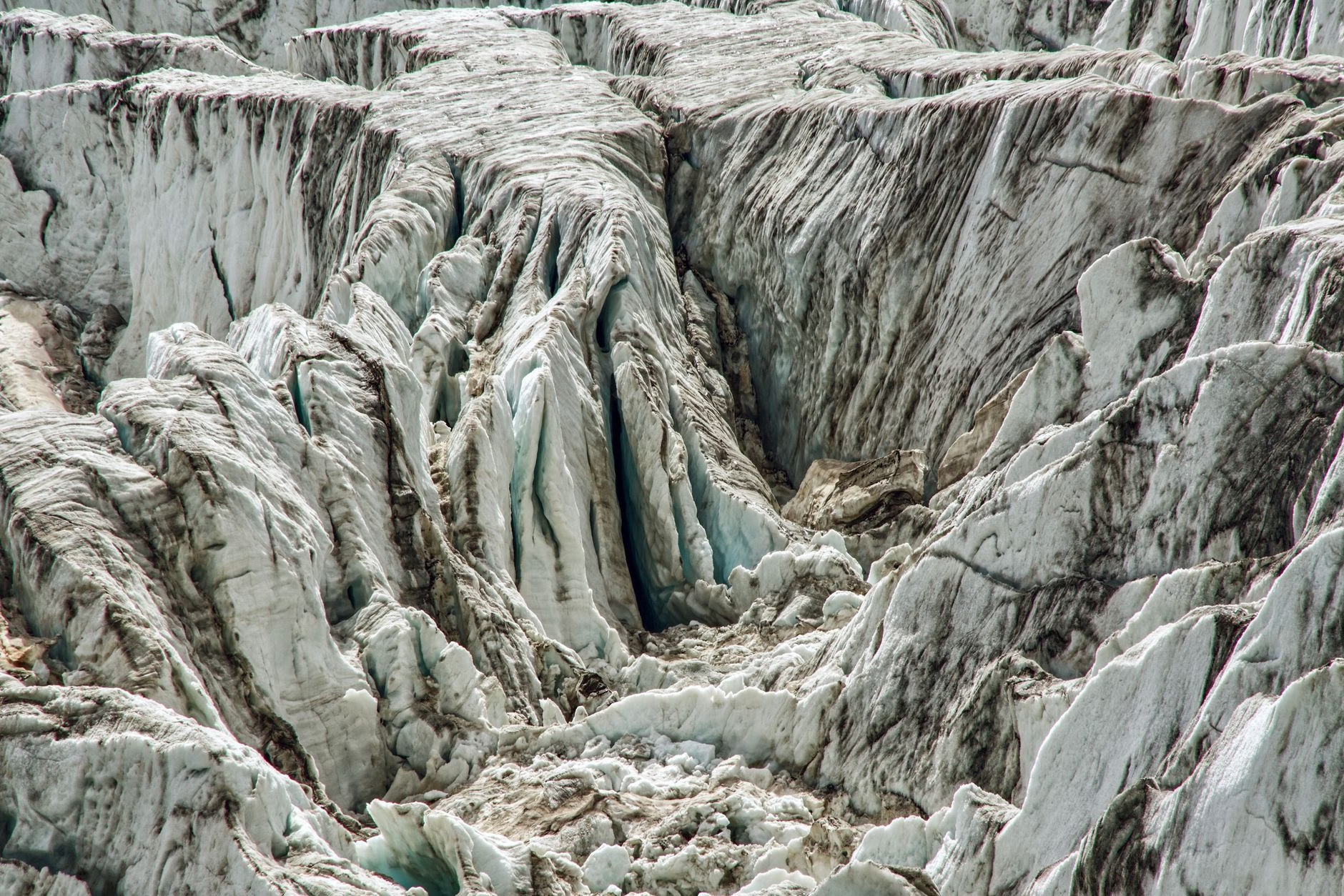
The majestic mountain ranges stretching across South Asia are facing an unprecedented environmental shift. Recent scientific observations indicate that ice masses in these elevated regions are receding at an alarming rate. This rapid loss of frozen water reserves carries severe implications for the downstream ecosystems and human populations that rely on steady hydrological cycles.
Economic Vulnerability Across Sectors
Experts warn that the ongoing degradation of these mountain reserves places critical sectors of the national economy in jeopardy. Industries such as agriculture, energy production, and tourism depend heavily on predictable seasonal water availability. As glaciers shrink, the reliability of major river systems diminishes, threatening crop yields and rural livelihoods across the subcontinent.
Agricultural Reliance on Glacial Meltwater
Crop production forms the backbone of the region, employing a vast portion of the workforce and feeding millions. Farmers rely significantly on river water fed by melting snow and ice during dry periods. When this supply becomes erratic, crop failures become more frequent, driving up food prices and straining financial markets. Food security and economic stability are thus deeply intertwined with the health of the high-altitude ice fields.
Energy Generation and Water Scarcity
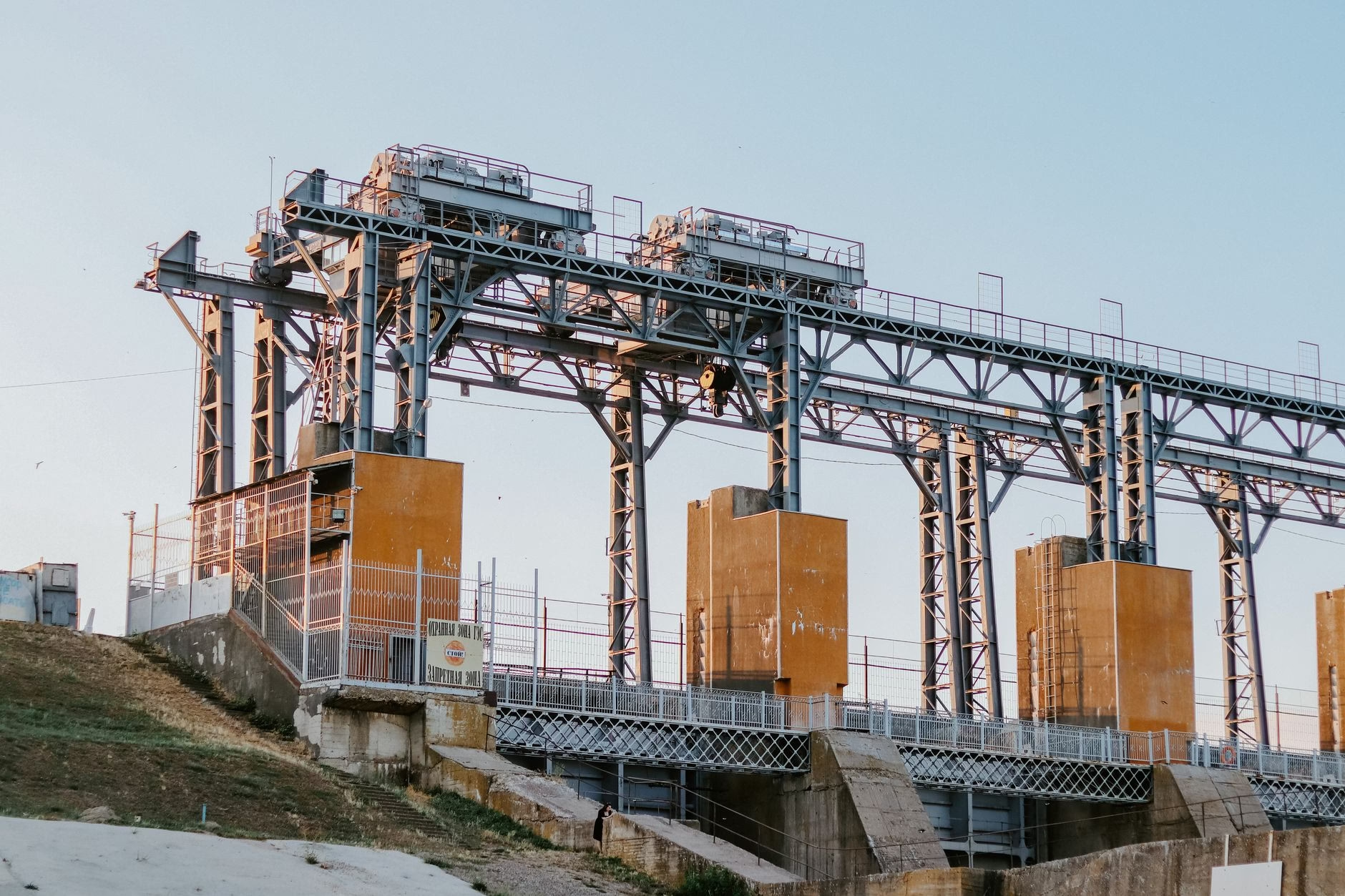
Hydroelectric power facilities represent another vital component of the industrial framework. These plants require consistent water flow to generate electricity for urban centers and manufacturing hubs. Declining volumes in the river networks reduce power generation capacity, leading to potential shortages that can disrupt industrial output and slow commercial growth.
Mitigation Strategies and Future Outlook
Addressing this looming crisis requires coordinated international and domestic action. Policymakers must invest in sustainable water management techniques, upgrade irrigation infrastructure, and promote drought-resistant crops. Transitioning toward diversified energy sources can also reduce vulnerability to fluctuating river flows. Safeguarding the future demands immediate and sustained commitment from all stakeholders involved.



















Leave a Reply