


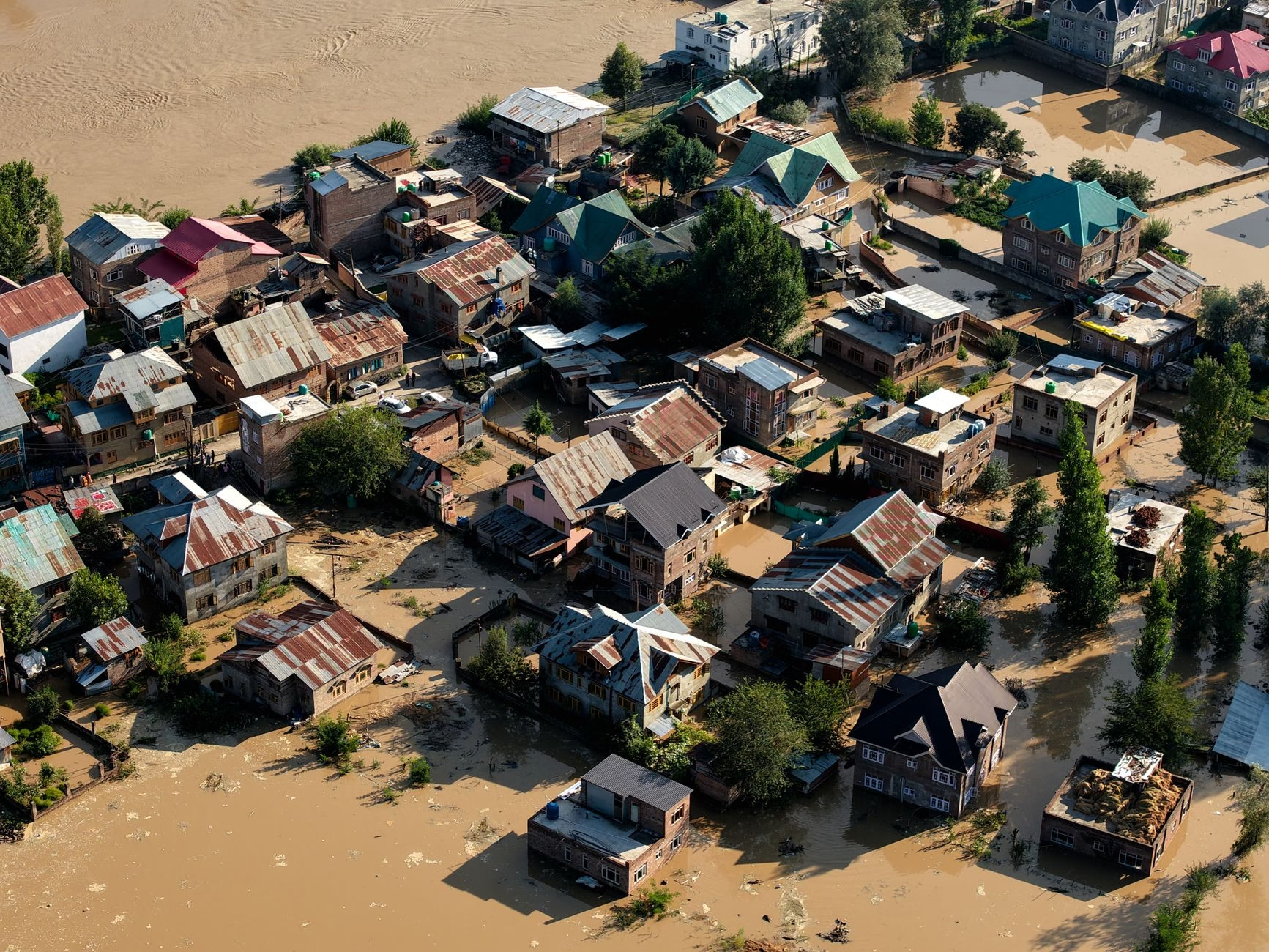
The human cost of the catastrophic weather events unfolding across the Himalayan mountain ranges has continued to mount sharply. Official reports confirm that the death toll from the devastating flooding has now approached the grim milestone of 1,400 fatalities. Emergency response teams remain deployed across vast mountainous terrains, struggling against severe logistical challenges to reach isolated communities cut off by destroyed infrastructure.
Understanding the Scale of the Disaster
The torrential downpours and subsequent flash floods have left a trail of widespread destruction across numerous residential areas and critical transport networks. Rivers swollen by relentless seasonal precipitation and glacial melt overflowed their banks with astonishing speed, washing away bridges, sweeping away homes, and inundating entire villages. The sudden onset of these natural disasters gave many residents little to no time to evacuate to higher ground, resulting in significant casualties.
Search and Rescue Operations
Rescue personnel, including specialized mountain teams and military units, are working tirelessly to locate survivors and retrieve the deceased. Helicopters have been deployed to airlift stranded individuals from rooftops and precarious mountain ledges where land routes have been completely obliterated. However, ongoing adverse weather conditions, persistent fog, and continuous mudslides frequently hamper these delicate aerial missions, delaying crucial aid delivery to the most severely affected zones.
Infrastructure and Economic Devastation
Beyond the heartbreaking loss of human life, the economic impact of the disaster is staggering. Vital highways connecting remote mountain towns to major urban centers have collapsed, severing supply chains and halting the transport of food, clean drinking water, and medical supplies. Power grids have suffered catastrophic failures, leaving thousands of households in total darkness. Agricultural lands, which serve as the primary livelihood for many local residents, have been buried under layers of silt and debris, threatening long-term food security and economic stability in the area.
Humanitarian and Medical Challenges
Medical camps have been established in safer zones to treat the injured and manage the growing risk of waterborne illnesses. Hospitals operating near the disaster zones are facing critical shortages of trauma supplies, antibiotics, and clean intravenous fluids. Aid organizations are urgently appealing for international assistance to bolster relief efforts and provide temporary shelter for the thousands of displaced families who currently find themselves homeless.
Outlook and Long-Term Recovery
As the immediate search and rescue phase slowly transitions into recovery operations, experts emphasize the urgent need for resilient infrastructure planning in vulnerable high-altitude regions. Changing climate patterns and intensified weather anomalies suggest that severe weather events may become increasingly frequent in the future. Local authorities and international bodies are expected to collaborate on comprehensive disaster management strategies to protect vulnerable populations residing along fragile river basins and steep mountain slopes.






















Leave a Reply