


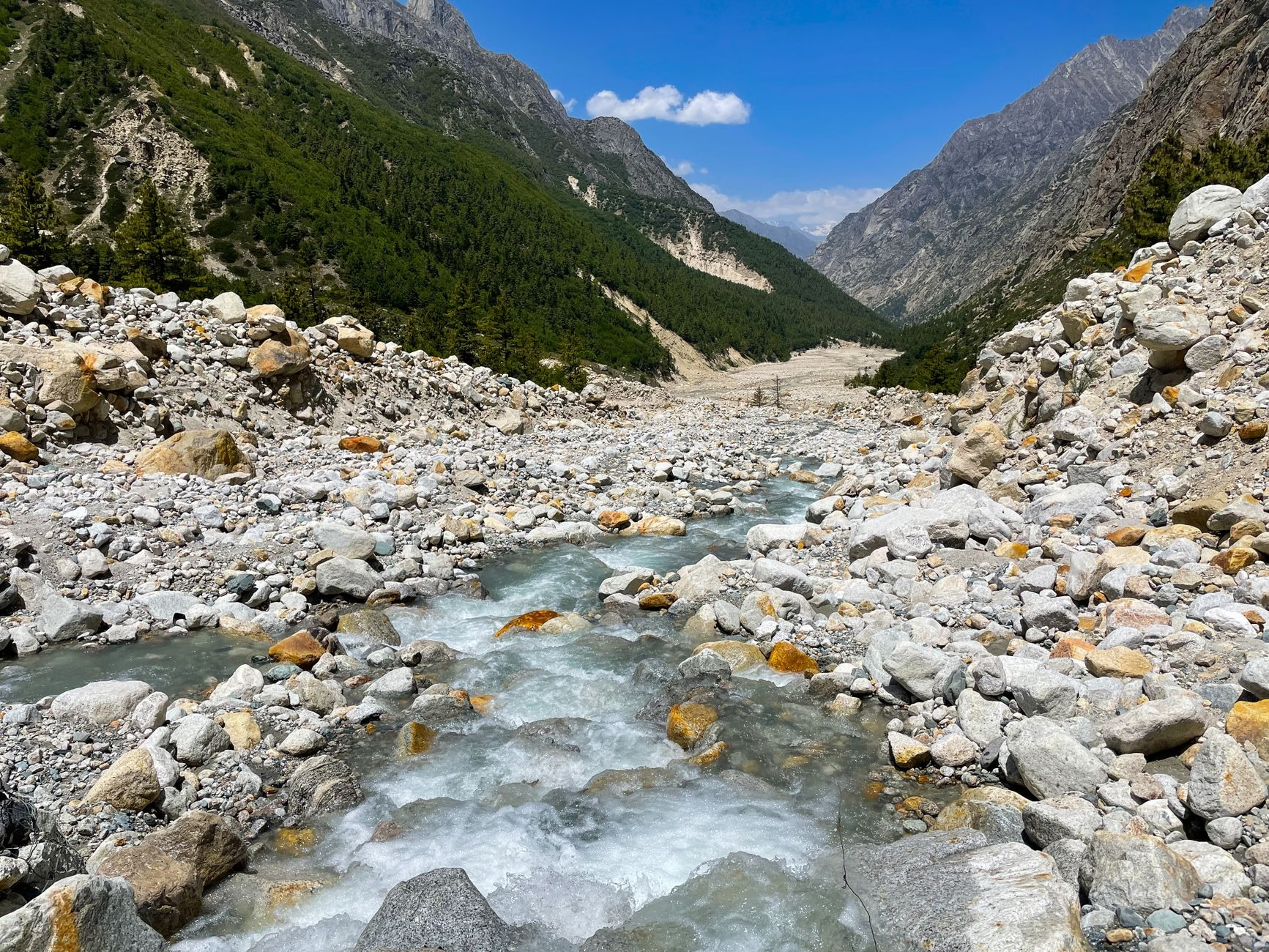
A significant natural disaster has unfolded along the rugged Nepal-China border, where a catastrophic glacial collapse has unleashed a torrent of deadly floods and mudflows. The devastating event has swept through numerous communities, leaving a trail of destruction and prompting an urgent humanitarian crisis. As the immediate aftermath unfolds, rescue teams are actively engaged in extensive search operations, striving to locate hundreds of individuals reported missing amidst the debris and treacherous conditions. The confirmed death toll, already numbering in the scores, underscores the severe impact of this unforeseen environmental calamity on the region’s vulnerable populations.
The Catastrophic Event
The disaster originated from a glacial collapse, a phenomenon where a portion of a glacier breaks off, often triggering a cascade of destructive events. In this instance, the collapse led to an immediate and powerful surge of water, ice, and sediment, transforming into a deadly torrent. This formidable flow, characterized by its immense speed and destructive force, inundated settlements situated along its path. The suddenness of the event left little time for residents to react, contributing significantly to the high number of missing persons and fatalities. The affected areas, known for their challenging mountainous terrain, now present formidable obstacles to emergency responders attempting to reach isolated communities and provide aid.
Understanding Glacial Collapses and Their Aftermath
Glacial collapses are complex natural occurrences, often influenced by a combination of geological factors and environmental changes. When a substantial mass of ice detaches from a glacier, it can displace large volumes of water from glacial lakes or river systems, leading to what is commonly known as a glacial lake outburst flood (GLOF) or, as in this case, a direct flood and mudflow event. The sheer volume and velocity of the water, combined with dislodged rock, soil, and debris, create a highly destructive force capable of obliterating infrastructure, homes, and agricultural land. Such events are particularly perilous in steep, narrow valleys typical of the Himalayan range, where the destructive energy is concentrated, amplifying its impact on downstream communities.
Devastating Impact on Border Communities
The communities situated along the Nepal-China border, often remote and reliant on subsistence farming, have borne the brunt of this disaster. The floods and mudflows have not only claimed lives and left many missing but have also caused extensive damage to essential infrastructure. Roads, bridges, and communication networks are likely to have been severely compromised or completely destroyed, isolating affected areas and complicating relief efforts. Homes, livelihoods, and agricultural fields, which form the backbone of these communities’ existence, have been submerged or swept away. The displacement of residents and the loss of basic necessities create an immediate need for shelter, food, clean water, and medical assistance, compounding the humanitarian challenge in an already difficult environment.
Challenges of Search and Rescue Operations
Rescue teams face immense challenges in their ongoing efforts to locate survivors and recover victims. The rugged and often inaccessible terrain of the Nepal-China border region presents significant logistical hurdles. Mud-laden landscapes, unstable ground, and the potential for further landslides or rockfalls pose constant threats to rescue personnel. Access to remote villages may be cut off, requiring arduous treks or helicopter deployments, which are often hampered by adverse weather conditions. The sheer scale of the missing persons count necessitates a broad and coordinated search effort across a wide geographical area. Specialized equipment, including heavy machinery to clear debris and advanced search technologies, is crucial for effective operations, yet its deployment in such challenging environments is inherently difficult. The emotional toll on both the affected communities and the rescue workers is also profound, as they navigate a landscape forever altered by the disaster.
Vulnerability of Himalayan Regions
The Himalayan region, which spans the Nepal-China border, is inherently vulnerable to such natural disasters. Its towering peaks, deep valleys, and active geological processes make it a hotspot for seismic activity, landslides, and glacial phenomena. Climate change is also increasingly recognized as a contributing factor to glacial instability, with rising temperatures potentially accelerating glacial melt and increasing the risk of collapses and outburst floods. The communities living in these areas, often characterized by limited resources and infrastructure, are particularly susceptible to the devastating effects of such events. Their traditional ways of life, deeply intertwined with the natural environment, are profoundly disrupted, highlighting the urgent need for enhanced disaster preparedness and early warning systems tailored to the unique risks of the high mountains.
Humanitarian Response and Support Needs
In the wake of such a widespread disaster, a robust humanitarian response is critically needed. The immediate priorities include providing emergency shelter for displaced families, ensuring access to safe drinking water and sanitation facilities, and delivering essential food supplies. Medical teams are vital to treat injuries, prevent the spread of disease, and offer psychological support to those traumatized by the events. The coordination of aid efforts among various national and international agencies is paramount to ensure resources are deployed efficiently and effectively to the most affected areas. Beyond immediate relief, there will be a sustained need for support in rebuilding homes, restoring livelihoods, and reconstructing vital infrastructure, a process that could span many months or even years.
Long-Term Recovery and Resilience
The path to recovery for the affected communities will be long and arduous. Beyond the immediate search and rescue operations and humanitarian aid, significant investment will be required for long-term reconstruction and rehabilitation. This includes rebuilding resilient infrastructure that can withstand future natural hazards, implementing sustainable land-use planning, and strengthening community-level disaster preparedness. Education and awareness programs are essential to empower residents with the knowledge and tools to respond effectively to future threats. Developing robust early warning systems, particularly for glacial hazards, is a critical component of enhancing resilience in these vulnerable mountain regions. The focus must extend beyond mere recovery to building stronger, more adaptable communities capable of facing the evolving challenges posed by a dynamic environment.
Conclusion
The catastrophic glacial collapse and subsequent floods and mudflows along the Nepal-China border represent a profound tragedy, leaving hundreds missing and scores dead. The ongoing search and rescue efforts underscore the immediate and desperate need for assistance in the affected communities. This disaster serves as a stark reminder of the immense power of natural forces and the particular vulnerabilities faced by populations in mountainous regions. As the world watches, sustained support and coordinated action will be essential not only for immediate relief but also for the long-term recovery and enhanced resilience of these deeply impacted areas.






















Leave a Reply