


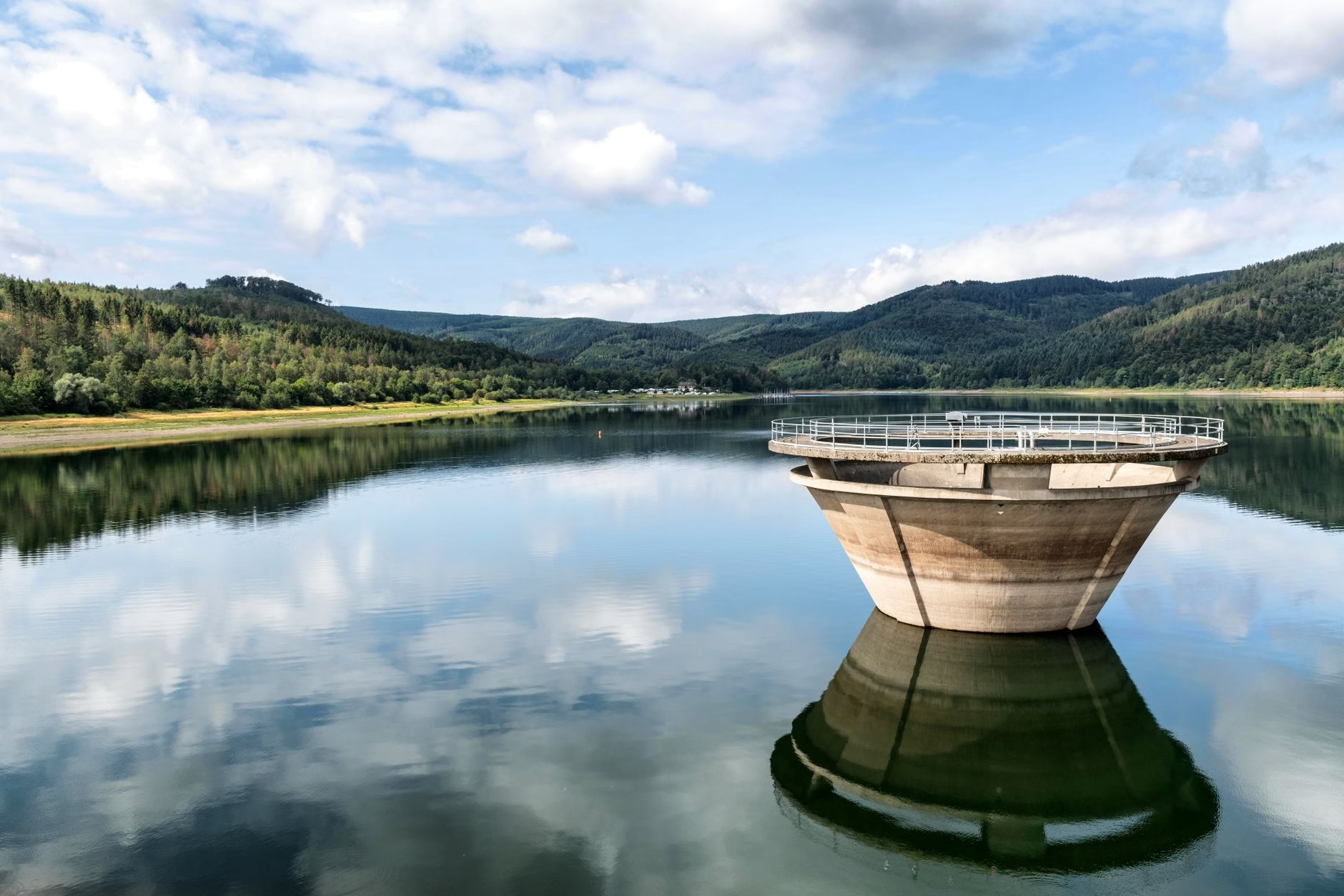
Understanding Germany Water Resources
Germany is facing a critical environmental challenge as research reveals a persistent and growing water deficit across the country. Traditionally, water scarcity concerns in Central Europe have been closely tied to visible drought periods and extreme summer heatwaves. However, recent scientific findings suggest that the nation’s hydrological balance is under pressure regardless of whether official drought conditions are present.
The research highlights that water levels are failing to replenish adequately during wetter months. This trend points toward deeper systemic issues within the natural water cycle, driven by a combination of changing weather patterns, rising temperatures, and continuous human consumption. As a result, experts warn that relying solely on seasonal rainfall to sustain groundwater levels is no longer viable.
Climate Pressures and Precipitation Shifts
Changing climate dynamics are altering the fundamental ways precipitation is distributed throughout the year. While total annual rainfall amounts may not always show drastic declines, the intensity and timing of the rain have shifted significantly. Heavy downpours often result in rapid surface runoff rather than allowing moisture to seep deep into the soil and recharge vital underground aquifers.
Furthermore, warmer winters mean less snowfall in mountainous regions and lower elevations. Snowpack has historically served as a natural storage system, releasing meltwater steadily through the spring months to maintain river flows and soil moisture. With milder winters dominating recent years, this crucial buffer is disappearing, leaving the landscape drier for longer stretches of time.
Rising Human Consumption and Industrial Demands
Beyond climate factors, human activity places a heavy burden on available freshwater reserves. Industrial operations, agricultural irrigation, and municipal water supplies all draw heavily from both surface water and groundwater sources. During extended dry spells, agricultural demand for irrigation spikes, exacerbating the strain on already depleted reserves.
Urban expansion also contributes significantly to the problem. As more land is paved over with concrete and asphalt, natural infiltration areas are destroyed. Rainwater that once replenished local aquifers is instead funneled into storm drainage systems and rivers, ultimately escaping into the sea rather than supporting local ecosystems.
Long-Term Ecological and Economic Risks
The consequences of a widening water deficit extend far beyond environmental conservation. Ecosystems depend on steady flows in rivers and adequate soil moisture to support diverse flora and fauna. When water levels drop consistently, wetlands shrink, forest health declines, and aquatic habitats face severe disruptions.
Economically, industries that rely heavily on water for cooling, manufacturing, and transport face growing operational risks. Low water levels in major commercial rivers can severely restrict freight shipping, causing logistical bottlenecks and financial losses. Additionally, agricultural sectors may face strict regulatory limits on irrigation, threatening crop yields and food security.
Strategies for Sustainable Water Management
Addressing the mounting water deficit requires a comprehensive shift in how water resources are managed and conserved across Germany. Policymakers, industry leaders, and environmental scientists agree that proactive measures must be implemented to secure future water supplies.
One key strategy involves improving urban infrastructure to enhance rainwater harvesting and retention. By designing cities to absorb and store water locally, municipalities can reduce runoff and recharge local aquifers. Furthermore, upgrading agricultural irrigation techniques to minimize waste and incentivizing industrial water recycling will play a vital role in reducing overall consumption.
Ultimately, navigating this invisible water crisis demands greater public awareness and stringent regulatory frameworks. Ensuring long-term water security for Germany will require sustained cooperation between government agencies, businesses, and communities to protect this essential resource before scarcity becomes an irreversible emergency.




















Leave a Reply