


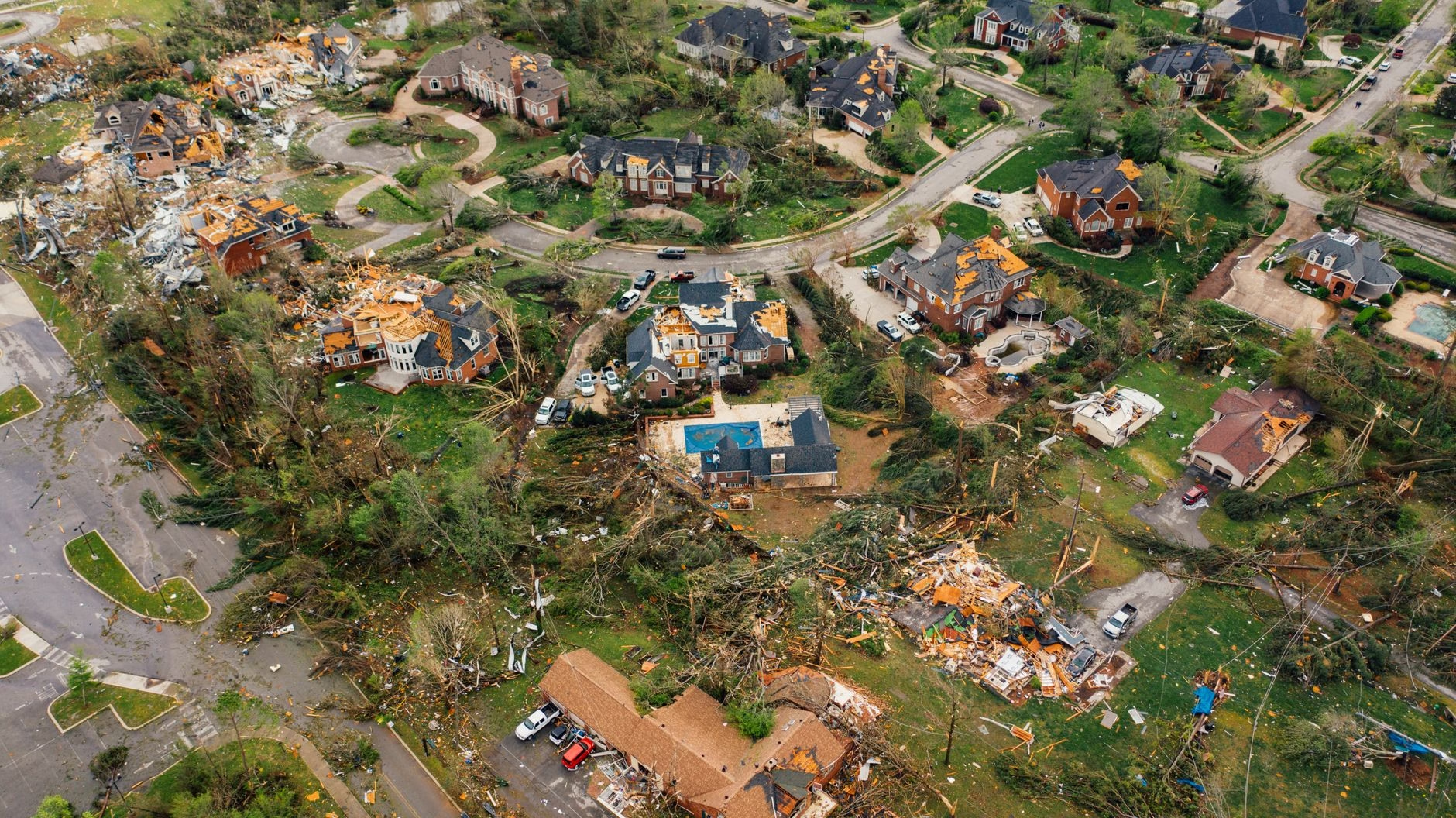
Overnight severe weather has swept across parts of Germany, bringing with it dangerous conditions that have tragically claimed one life and left at least two individuals injured. The sudden onset and intensity of these storms underscore the significant challenges posed by extreme weather phenomena, particularly when they occur during nighttime hours.
The immediate aftermath of such events often involves assessing the human toll and ensuring the safety of affected populations. Authorities typically mobilize quickly to respond to emergencies, provide assistance, and manage any disruptions to public services and infrastructure.
The Nature of Overnight Storms
Overnight storms present a unique set of hazards that can amplify their impact. Reduced visibility makes it difficult for individuals to perceive approaching dangers, such as falling debris, flash floods, or downed power lines. Many people are asleep during these hours, making it harder to receive warnings or take timely protective actions. The element of surprise can significantly increase the risk of injury or fatality, as residents may be caught unprepared.
These nocturnal weather systems can manifest in various forms, including powerful thunderstorms, strong winds, and heavy rainfall. The combination of these elements can lead to widespread damage, affecting everything from residential properties to essential public utilities. The specific characteristics of the recent storms in Germany highlight the unpredictable and often devastating power of nature.
Immediate Human Toll
The most somber consequence of the recent severe weather in Germany is the reported loss of life. One woman tragically succumbed to the storm’s impact, a stark reminder of the potential lethality of such events. Additionally, at least two other individuals sustained injuries, necessitating immediate medical attention. These casualties underscore the critical importance of public safety measures and rapid emergency response during periods of extreme weather.
The human cost extends beyond immediate physical harm, often encompassing emotional distress, displacement, and the long-term challenges of recovery. Communities affected by such tragedies typically come together to support those who have lost loved ones or suffered personal injury, demonstrating resilience in the face of adversity.
Broader Impacts of Severe Weather in Germany
While the immediate focus remains on the human casualties, severe overnight storms in Germany can have a cascade of broader impacts. High winds frequently lead to downed trees and power lines, resulting in widespread power outages that can affect thousands of homes and businesses. Such disruptions can last for extended periods, complicating daily life and posing risks to vulnerable populations who rely on electricity for heating, medical devices, or communication.
Heavy rainfall associated with these storms can cause localized flooding, particularly in urban areas with insufficient drainage systems or in regions near rivers and streams. Flooding can damage property, render roads impassable, and disrupt transportation networks, impacting commuters and supply chains. Infrastructure, including buildings, bridges, and public utilities, may also sustain damage, requiring extensive repair work and significant financial investment.
Emergency Response and Public Safety
In response to severe weather events, German emergency services, including fire departments, police, and civil protection agencies, typically activate comprehensive response protocols. These protocols involve deploying personnel to affected areas, conducting search and rescue operations, clearing debris, and restoring essential services. Public safety announcements are crucial, advising residents on how to stay safe, report emergencies, and access assistance.
Authorities often issue weather warnings through various channels, including television, radio, and mobile alerts, urging the public to take precautions such as securing loose outdoor items, staying indoors, and avoiding unnecessary travel. The effectiveness of these early warning systems and the public’s adherence to safety guidelines play a vital role in mitigating the overall impact of severe storms.
Preparing for Future Weather Events
The recent storms serve as a critical reminder of the ongoing need for robust preparedness strategies in Germany. Climate change is widely understood to be influencing weather patterns, potentially leading to more frequent and intense extreme weather events. Consequently, continuous investment in weather forecasting technologies, infrastructure resilience, and public education campaigns becomes increasingly important.
Individuals are encouraged to develop personal emergency plans, which include assembling emergency kits, knowing evacuation routes, and staying informed about local weather forecasts. Communities can enhance their resilience by maintaining drainage systems, strengthening infrastructure, and conducting regular drills to ensure a coordinated and effective response when severe weather strikes again.
Conclusion
The overnight storms that recently impacted Germany, resulting in one fatality and multiple injuries, highlight the profound and often tragic consequences of severe weather. The incident underscores the critical importance of vigilance, preparedness, and effective emergency response mechanisms. As communities recover from the immediate aftermath, the focus will inevitably shift towards enhancing resilience and ensuring that residents are better equipped to face future meteorological challenges, thereby minimizing the human and economic toll of such powerful natural phenomena.



















Leave a Reply