


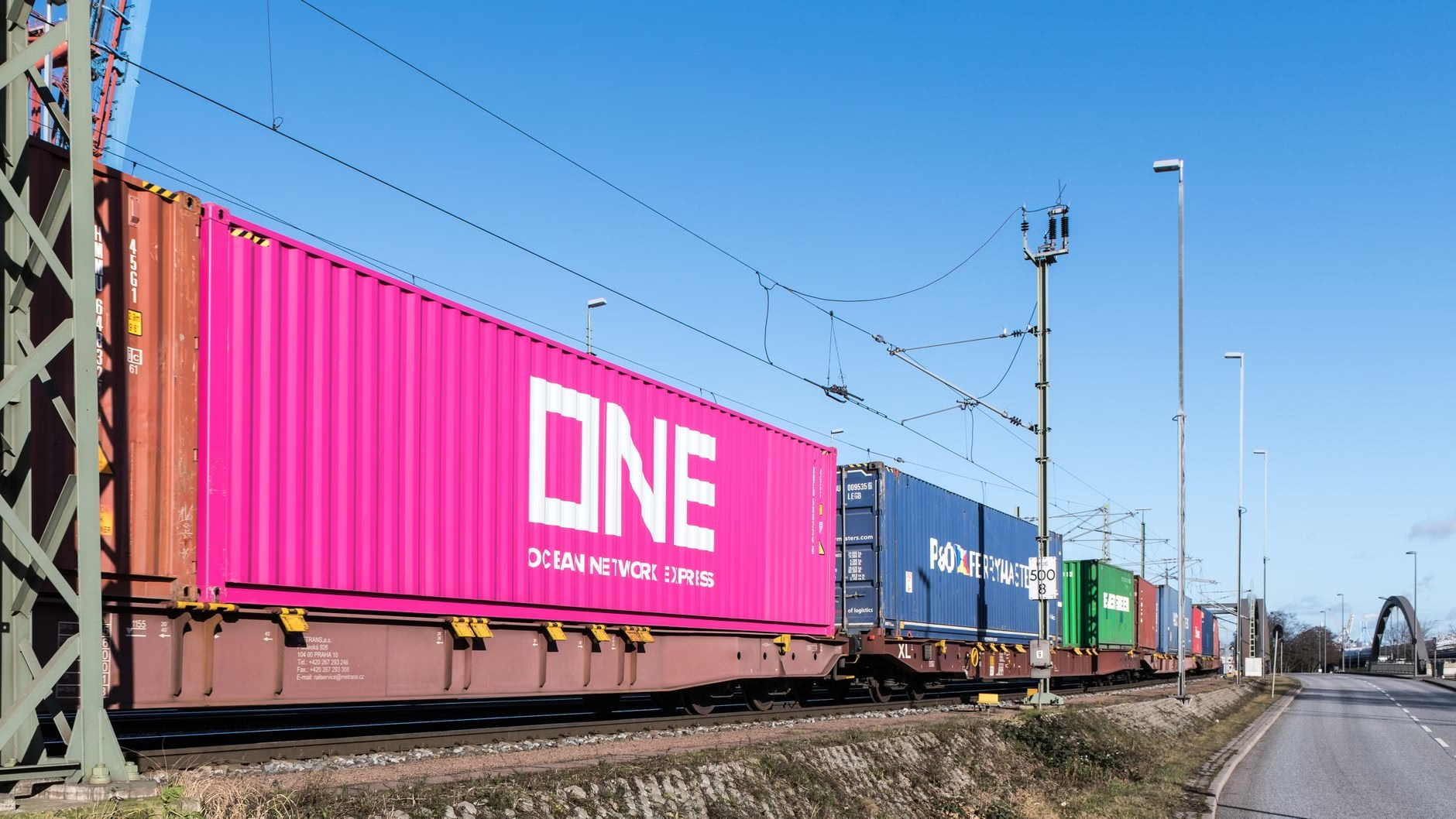
Germany’s industrial landscape, a cornerstone of the European economy, relies heavily on an efficient and robust logistics network. A significant component of this network involves its extensive inland waterways, particularly the Rhine River. However, periods of unusually low water levels present substantial challenges to this vital transport artery, compelling industries and policymakers to seek alternative solutions. The recent decision to ease regulations for road freight transport has been met with considerable relief across various German industrial sectors, highlighting the critical need for adaptable logistics strategies in the face of environmental fluctuations.
The Critical Role of Germany’s Waterways
The Rhine River stands as one of Europe’s most important commercial waterways, serving as a crucial conduit for raw materials, intermediate goods, and finished products for industries located along its banks and throughout Germany. Barges navigating the Rhine transport vast quantities of commodities, including chemicals, coal, oil products, grains, and construction materials. This mode of transport is not only cost-effective but also environmentally advantageous compared to road or rail for bulk goods.
When water levels drop significantly, the navigability of the Rhine is severely hampered. Barges are forced to reduce their cargo loads to avoid running aground, meaning more vessels are needed to transport the same volume of goods. In extreme cases, shipping may become entirely unfeasible in certain sections, leading to significant delays and increased costs for businesses that depend on this reliable transport route.
Impact on Key Industrial Sectors
The ripple effects of impaired waterway transport are felt across numerous German industrial sectors. The chemical industry, for instance, heavily relies on the Rhine for the delivery of essential raw materials and the distribution of its products. Disruptions can lead to production bottlenecks, shortages, and increased operational expenses as companies scramble to find alternative transport methods.
Similarly, the steel industry, which requires substantial quantities of iron ore and coal, faces considerable challenges when river transport is compromised. Energy companies, dependent on the delivery of fuel, also experience direct impacts, potentially affecting power generation and supply stability. The automotive sector, with its complex just-in-time supply chains, can also be indirectly affected by delays in the transport of components or raw materials for its suppliers.
Shifting to Road Transport: An Immediate Necessity
When waterway transport becomes unreliable or impossible, the immediate and often only viable alternative is road transport. Shifting goods from barges to lorries is a complex logistical undertaking. It requires a significant increase in the number of trucks, drivers, and fuel, placing additional strain on road infrastructure and potentially leading to higher carbon emissions.
Furthermore, the cost implications are substantial. Transporting goods by road is generally more expensive per ton-kilometer than by barge, especially for bulk commodities. These increased costs can erode profit margins for businesses and, in some cases, be passed on to consumers, contributing to inflationary pressures. The sudden surge in demand for road freight also creates capacity challenges within the trucking sector.
Governmental Measures to Facilitate Road Transport
Recognizing the severe economic implications of disrupted waterway transport, German authorities have taken proactive steps to alleviate the pressure on supply chains. A key measure involves the temporary easing of regulations pertaining to lorry transport. These relaxations typically include adjustments to driving hour restrictions, temporary exemptions from weekend driving bans, or modifications to weight limits for specific types of cargo.
Such measures are designed to increase the operational flexibility and capacity of the road freight sector, enabling more goods to be moved more quickly. By reducing administrative hurdles and allowing for extended operational windows, the government aims to ensure that critical supplies continue to reach factories and markets, mitigating the immediate economic fallout from low water levels.
Industry’s Positive Reception and Ongoing Challenges
The German industrial sector has largely welcomed these regulatory adjustments. Industry associations and individual companies have expressed relief, viewing the measures as crucial for maintaining production schedules and preventing more widespread supply chain disruptions. The ability to utilize road transport more flexibly provides a vital safety net when traditional waterway routes are compromised.
However, while these measures offer immediate relief, they are not without their limitations. The increased reliance on road transport highlights a broader vulnerability within Germany’s logistics infrastructure. It underscores the need for long-term strategies that address the challenges posed by climate change, which is increasingly contributing to extreme weather events, including prolonged dry spells and low river levels.
Long-Term Perspectives on German Logistics Resilience
The recurring nature of low water level events necessitates a comprehensive approach to enhancing German Industry Logistics resilience. This includes exploring investments in alternative transport modes, such as expanding rail freight capacity and improving intermodal connections. Developing more robust rail networks could provide a sustainable and efficient alternative for bulk transport, reducing dependence on waterways and roads.
Furthermore, there is a growing discussion around adapting existing infrastructure and equipment. This could involve designing barges capable of operating efficiently in shallower waters or investing in dredging projects in critical sections of the Rhine, where environmentally feasible. Diversifying supply chain routes and building buffer stocks are also strategies companies might adopt to mitigate future disruptions.
Conclusion
The German industrial sector’s welcome of eased lorry rules amidst low water levels underscores the critical importance of flexible and adaptable logistics. While these temporary measures provide essential short-term relief, they also serve as a stark reminder of the environmental challenges impacting traditional transport routes. Ensuring the long-term stability and competitiveness of German Industry Logistics will require continued innovation, strategic investment in diverse transport infrastructures, and proactive planning to build resilience against future environmental and economic shocks. The ability to swiftly adapt to unforeseen circumstances remains paramount for Germany’s economic strength.


















Leave a Reply