


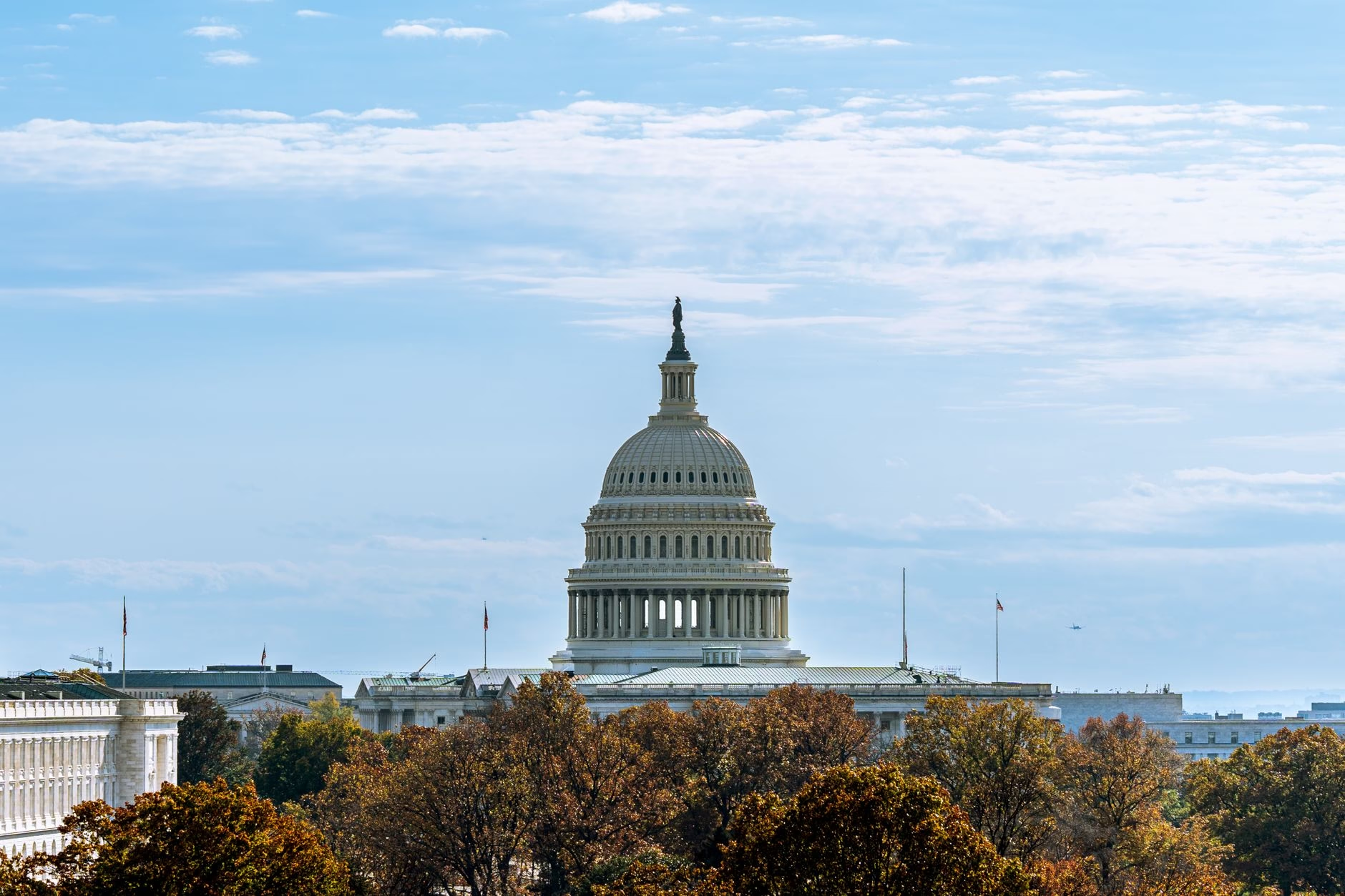
The Evolution of American Politics
American voters increasingly express a desire for fresh faces and generational change in national politics. Many citizens believe that bringing younger leaders into the legislative branch will fundamentally alter the direction of federal policymaking. However, simply electing younger candidates to office may not rapidly diminish the longstanding political influence that older generations hold within the halls of Congress.
The Demographic Reality in Washington
For decades, the baby boomer generation has shaped the core priorities of American governance. As older voters continue to turn out at high rates and representatives build seniority over many terms, the institutional gravity leans heavily toward traditional concerns. Experience, committee chairmanships, and entrenched political networks often outweigh the chronological age of any single elected official.
Understanding Seniority and Institutional Power
In the United States legislative system, power is closely tied to tenure. Lawmakers who spend decades in office accumulate deep institutional knowledge and control critical committees that draft national legislation. Even if a wave of younger politicians enters the legislature, they typically start at the bottom of the seniority ladder. Consequently, the overarching legislative agenda frequently remains aligned with the interests of older constituents who dominate voter turnout.
Voter Expectations Versus Legislative Reality
The public demand for modernization often clashes with the slow-moving nature of legislative institutions. Voters may envision a dramatic shift in policy priorities once younger leaders take the oath of office. Yet, legislative bodies are designed to evolve gradually rather than shift overnight. Senior members and veteran policymakers continue to exert substantial control over budget allocations, healthcare policy, and social security debates.
The Path Forward for Political Representation
Bridging the gap between the desire for generational renewal and the reality of institutional power requires sustained engagement from all age groups. While the demographic makeup of candidates is shifting, true influence depends on building coalitions, mastering legislative procedure, and addressing the complex needs of an aging population alongside the aspirations of younger generations. Until these dynamics shift significantly, the established priorities of older Americans will likely remain a dominant force in federal policymaking.






















Leave a Reply