


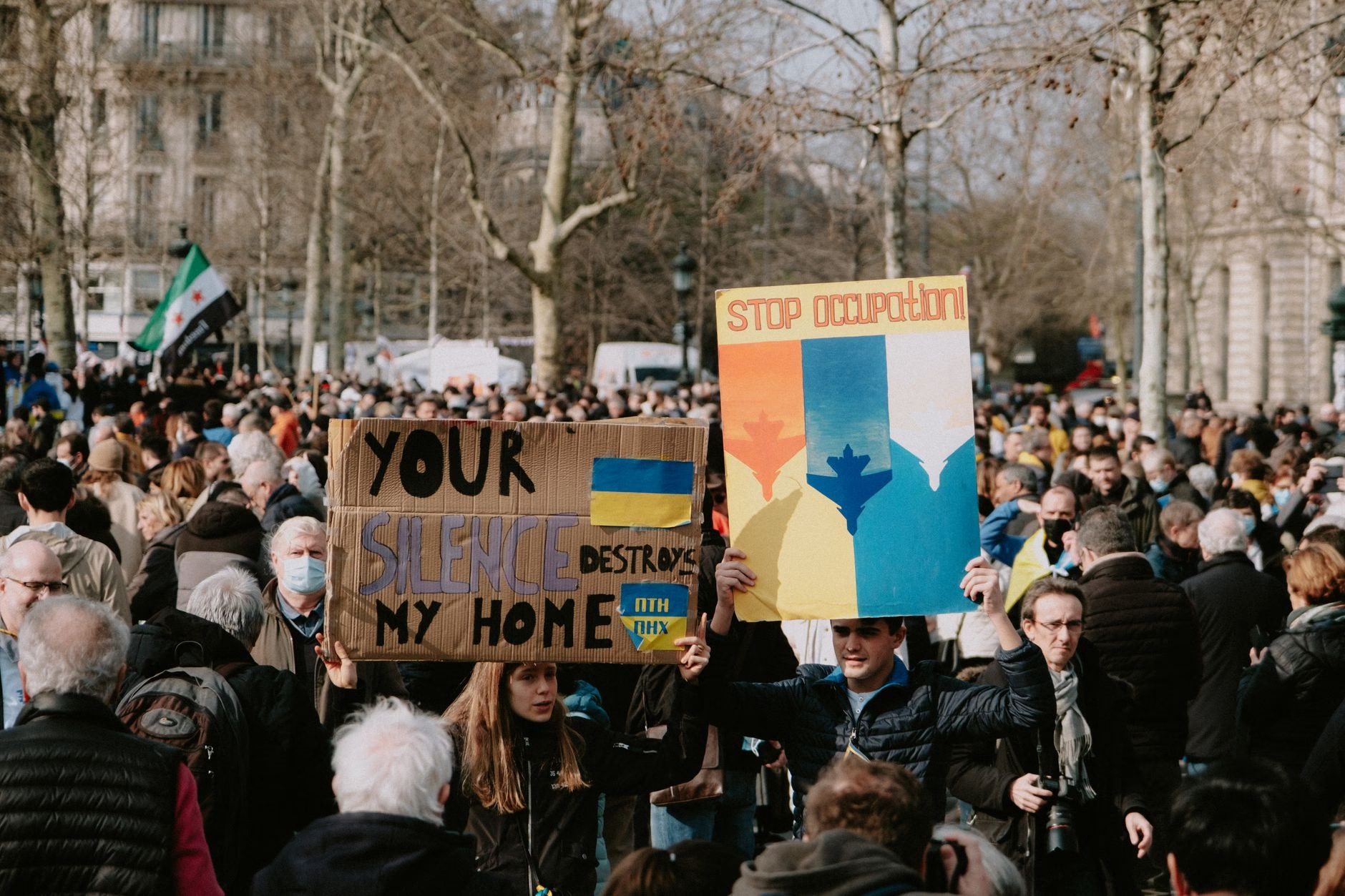
France is facing a rapidly growing social and political challenge as widespread student demonstrations concerning educational facilities and budgetary constraints erupt into severe disturbances. Educational institutions across the country experienced major disruptions on Friday, with hundreds of high schools forced to shut their doors entirely. What began as organized walkouts and expressions of discontent over learning environments quickly transformed into volatile clashes, signaling a turbulent new phase of civil unrest.
Background of the Student Discontent
The unrest stems from mounting frustration among adolescents and young adults regarding the state of public infrastructure within the educational system. Students have voiced persistent complaints about deteriorating buildings, overcrowded classrooms, and a lack of essential resources necessary for a modern education. These grievances have simmered for months, amplified by broader economic anxieties and ongoing debates regarding national spending priorities and public debt.
Escalation Into Violence
As demonstrations spread from regional hubs to major urban centers, the nature of the gatherings shifted dramatically. Peaceful assemblies designed to draw attention to deteriorating facilities frequently dissolved into chaotic confrontations with law enforcement authorities. Reports from various cities indicate that property damage, barricaded entrances, and clashes involving projectiles and tear gas have become increasingly common. Security forces have been deployed in high numbers to restore order and protect public infrastructure from further destruction.
National Impact and School Closures
The immediate consequence of the escalating unrest is the paralysis of daily academic routines. Administrators and regional educational authorities made the decision to suspend classes at hundreds of campuses to ensure the safety of students and staff members. This widespread suspension has created significant logistical hurdles for families and working parents who rely on continuous educational schedules, further amplifying the pressure on public administrators to find a swift resolution.
Political Repercussions for Leadership
This crisis arrives at a delicate moment for the national government, which is already navigating complex fiscal challenges and tight budgetary constraints. Critics and opposition leaders are closely monitoring the administration handling of the situation, arguing that years of underfunding and neglect have pushed the public school system to a breaking point. Addressing the core demands of the protesters while maintaining public order presents a formidable challenge for policymakers in the coming days.
Looking Ahead
As the weekend approaches, community leaders and educational unions are calling for calm and urging dialogue between student representatives and government officials. However, with deep-seated grievances surrounding infrastructure and funding remaining unaddressed, the potential for renewed demonstrations persists. The events of this week highlight a deep structural strain within the educational sector that will require urgent attention to prevent further civil disruption.


















Leave a Reply