


Judicial Review And Energy Policy
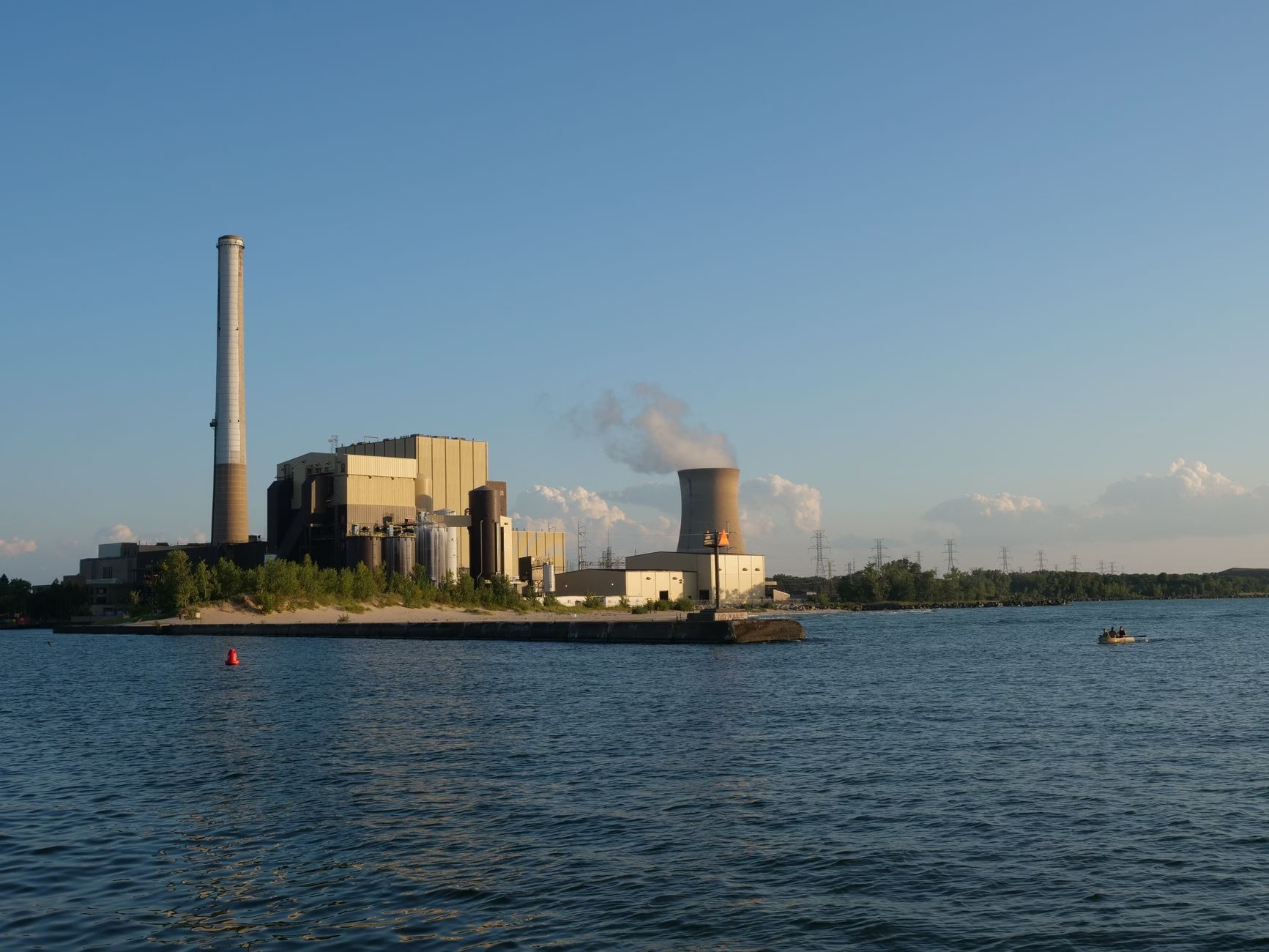
A federal appeals court has delivered a significant legal defeat to executive branch energy strategies. The judicial panel officially blocked an administrative order that sought to prevent the closure of a coal-fired power generation facility located in the state of Michigan.
The federal directive had aimed to extend the operational lifespan of the plant past its previously scheduled retirement date of 2025. This latest court ruling represents a notable obstacle for broader governmental initiatives designed to prioritize coal and other traditional fossil fuels within the national energy matrix.
Implications For The Michigan Facility
The targeted power station has long maintained a definitive timeline for shutting down its operations by 2025. Local stakeholders, utility planners, and environmental organizations have spent years preparing for this planned transition away from coal-based power generation.
Efforts by federal officials to intervene and mandate continued operations sparked considerable legal debate. With the recent appellate court decision, the path forward for the facility aligns once more with its original retirement schedule.
Broader Context Of The Coal-First Agenda
The administration has consistently pursued policies aimed at bolstering the domestic coal industry and preventing the premature retirement of traditional power plants. Proponents of these measures argue that maintaining coal facilities is vital for grid reliability and energy independence.
Critics and legal challengers, however, contend that such administrative orders overstep federal authority and undermine market-driven transitions toward cleaner energy sources. This recent judicial outcome highlights the ongoing tension between executive energy agendas and established regulatory frameworks governing power plant closures.
Looking Ahead For Energy Markets
The legal battle over the Michigan coal facility underscores the complex interplay between federal oversight and regional energy planning. Utility operators across the country continue to navigate shifting regulatory landscapes as they balance economic realities, environmental standards, and federal directives.
As the legal proceedings develop, the focus returns to the practical steps required for managing the plant’s upcoming closure timeline. The appellate ruling ensures that regional energy strategies will proceed without the federal mandate that sought to keep the coal plant running beyond 2025.























Leave a Reply