


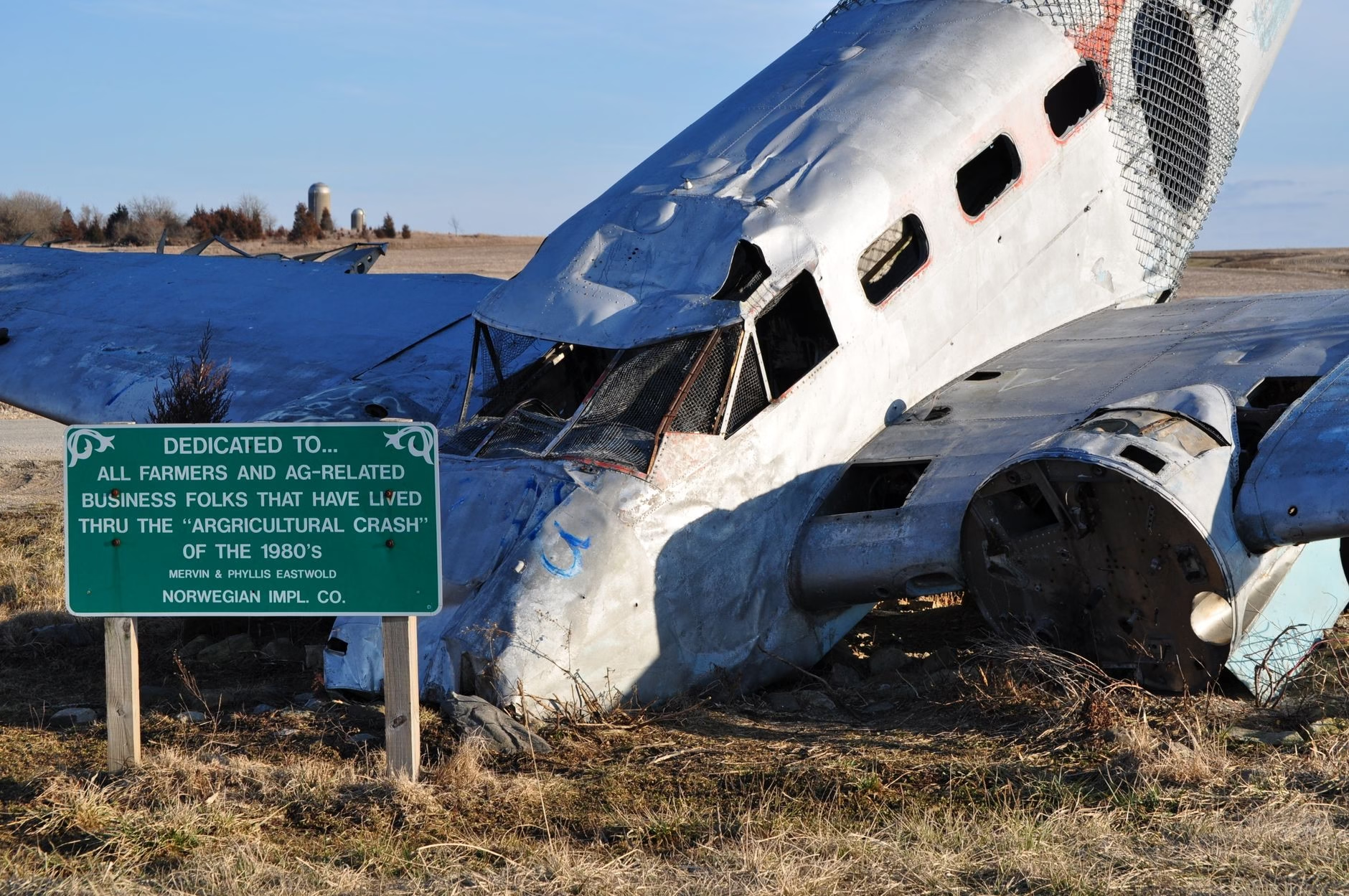
Aviation Tragedy in Croatian Mountains
A small aircraft, registered in Germany, has tragically crashed within the challenging and rugged terrain of the Croatian mountains, an incident that has resulted in the confirmed deaths of two individuals. The precise location of the accident within the extensive Croatian mountain ranges has not yet been publicly disclosed, nor have the identities of those who perished in the unfortunate event. This aviation disaster has prompted immediate responses from local authorities and has initiated a comprehensive investigation into its causes and circumstances.
Initial Confirmation and Response
Following reports of a downed aircraft, emergency services and search and rescue teams were promptly mobilized. Their efforts focused on locating the crash site, which, given the often-inaccessible nature of mountainous regions, can present significant operational challenges. Upon reaching the scene, responders confirmed the catastrophic nature of the impact and the tragic loss of life. The initial phase of any aviation accident response prioritizes securing the site, ensuring no further immediate danger, and beginning the meticulous process of evidence collection. The confirmation of two fatalities underscores the severity of the incident and the profound impact it will have on the families and communities connected to the victims.
The Investigation Process Begins
A thorough and impartial investigation is now underway to ascertain the exact sequence of events that led to this fatal crash. Aviation accident inquiries are complex and multifaceted, typically involving experts from various fields including aerodynamics, meteorology, human factors, and aircraft maintenance. While the specific details of this incident remain to be uncovered, investigators will systematically examine all available evidence. This includes, but is not limited to, potential recovery of flight data recorders (black boxes) and cockpit voice recorders, analysis of air traffic control communications, review of maintenance records for the German-registered plane, and scrutiny of weather conditions prevalent in the area at the time of the crash. The objective of such an investigation is not merely to assign blame but, crucially, to understand what went wrong to prevent similar tragedies in the future, thereby enhancing global aviation safety standards.
Challenges of Mountainous Terrain Operations
Operating small aircraft in mountainous regions inherently carries a heightened level of risk. The variable and often unpredictable weather patterns, including sudden changes in wind direction and speed, turbulence, and reduced visibility, can pose significant challenges even for experienced pilots. Furthermore, the complex topography itself, characterized by high peaks, deep valleys, and limited emergency landing options, demands exceptional piloting skills and precise navigation. For investigators, accessing crash sites in such rugged environments can be arduous, requiring specialized equipment and personnel. The recovery of wreckage and human remains from remote, elevated, or densely forested areas often extends the timeline of the investigation and adds to the operational complexities. These environmental factors will undoubtedly be a key consideration in the ongoing inquiry into the German plane crash in Croatia.
International Cooperation in Aviation Safety
Given that the aircraft was registered in Germany and the incident occurred in Croatia, international cooperation between the respective aviation authorities will be a critical component of the investigation. Typically, the state of occurrence (Croatia) leads the investigation, while the state of registry (Germany) has the right to appoint an accredited representative to participate in the inquiry. This collaborative approach ensures a comprehensive examination of all pertinent aspects, drawing on expertise and resources from both nations. Such international protocols are well-established within the framework of the International Civil Aviation Organization (ICAO), designed to foster transparency and shared learning in the interest of global aviation safety. The exchange of information and technical assistance between German and Croatian experts will be vital in piecing together the full picture of this tragic event.
Broader Implications for Aviation Safety
Every aviation accident, regardless of its scale, serves as a stark reminder of the inherent risks involved in air travel and the continuous need for vigilance and improvement in safety protocols. The findings from the investigation into this German plane crash in Croatia will contribute to the broader body of knowledge concerning aviation safety. Lessons learned from such incidents often lead to revisions in flight procedures, airworthiness directives, pilot training methodologies, and aircraft design standards. The ultimate goal is to make air travel safer for everyone, a commitment shared by regulatory bodies, airlines, manufacturers, and pilots worldwide. This incident will undoubtedly prompt a review of safety measures pertinent to small aircraft operations, particularly those traversing challenging geographical landscapes.
Support for Affected Families
In the wake of such a devastating event, the focus also turns to providing support and assistance to the families and loved ones of the two individuals who lost their lives. The process of victim identification, which can be prolonged in complex crash scenarios, is handled with the utmost sensitivity and respect. Authorities will work diligently to ensure that families receive timely and accurate information, as well as necessary emotional and practical support during this incredibly difficult time. The aviation community, both in Germany and Croatia, extends its deepest sympathies to those affected by this profound loss, acknowledging the irreplaceable void left by the victims.
Outlook and Future Steps
As the investigation progresses, official updates will be released by the lead investigative body. These updates will likely provide more specific details regarding the crash site, the aircraft type, and preliminary findings as they become available. The full investigation process can take several months, or even years, depending on the complexity of the incident and the challenges encountered. The final report will typically include a detailed factual account, an analysis of the findings, and safety recommendations aimed at preventing recurrence. Until then, speculation regarding the cause of the crash should be avoided, allowing the dedicated professionals to conduct their thorough and impartial work. The priority remains to uncover the truth and honor the memory of those lost through improved safety.






















Leave a Reply