


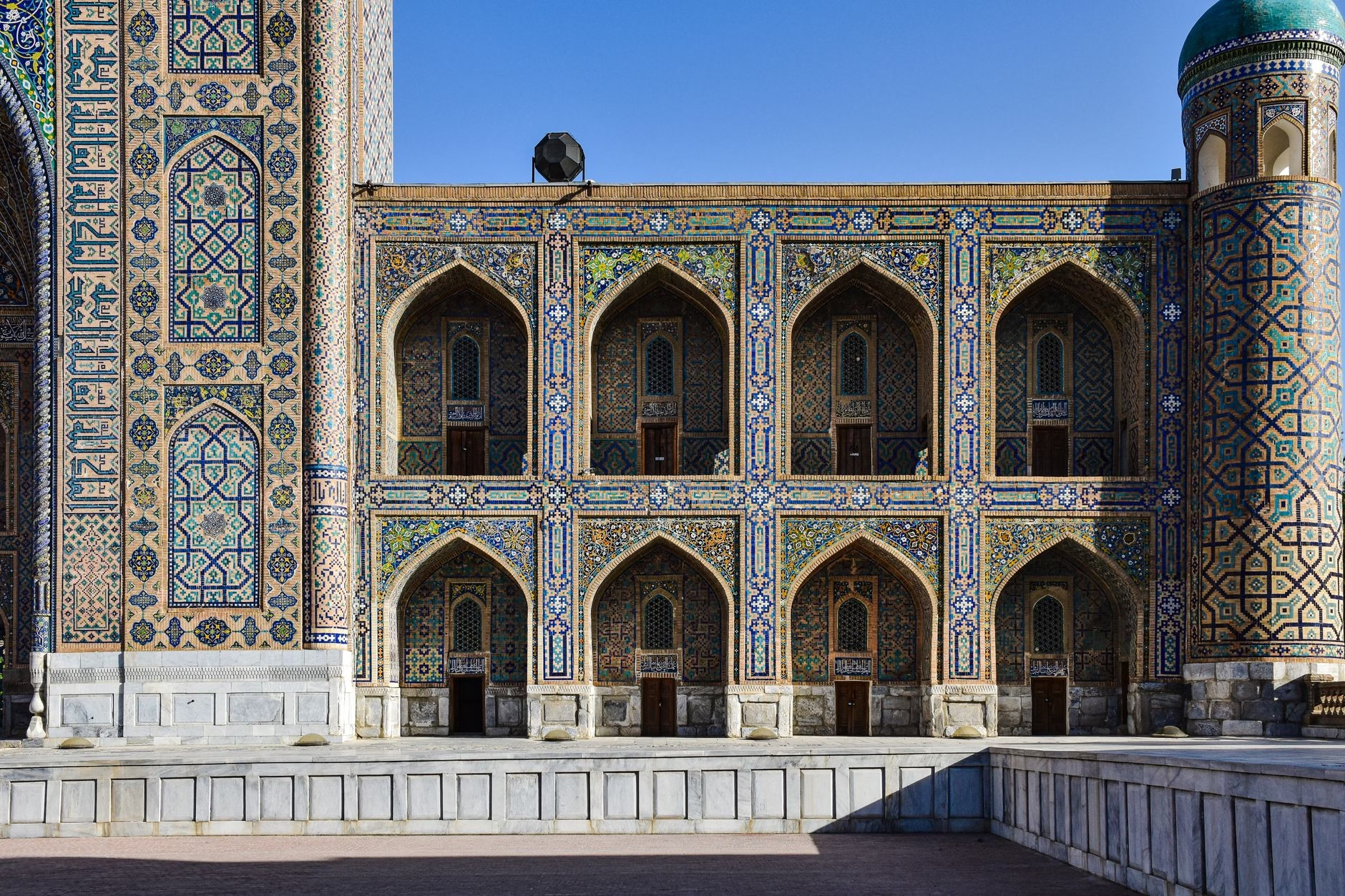
The Landscape of Modern Travel in Uzbekistan
International tourism in Central Asia is undergoing a remarkable transformation. Travelers visiting the region are no longer content with brief stopovers or standard itineraries. Instead, a growing number of visitors are opting to extend their holidays, invest more in local experiences, and explore destinations far beyond the famous historical trading paths.
This shift reflects a broader change in global travel preferences. People seeking authentic cultural immersion find that this destination offers a rich tapestry of history, architecture, and daily life that cannot be fully appreciated in just a few days. As a result, tourism authorities are seeing longer average stays and a noticeable increase in overall visitor expenditure.
Venture Further Across the Country
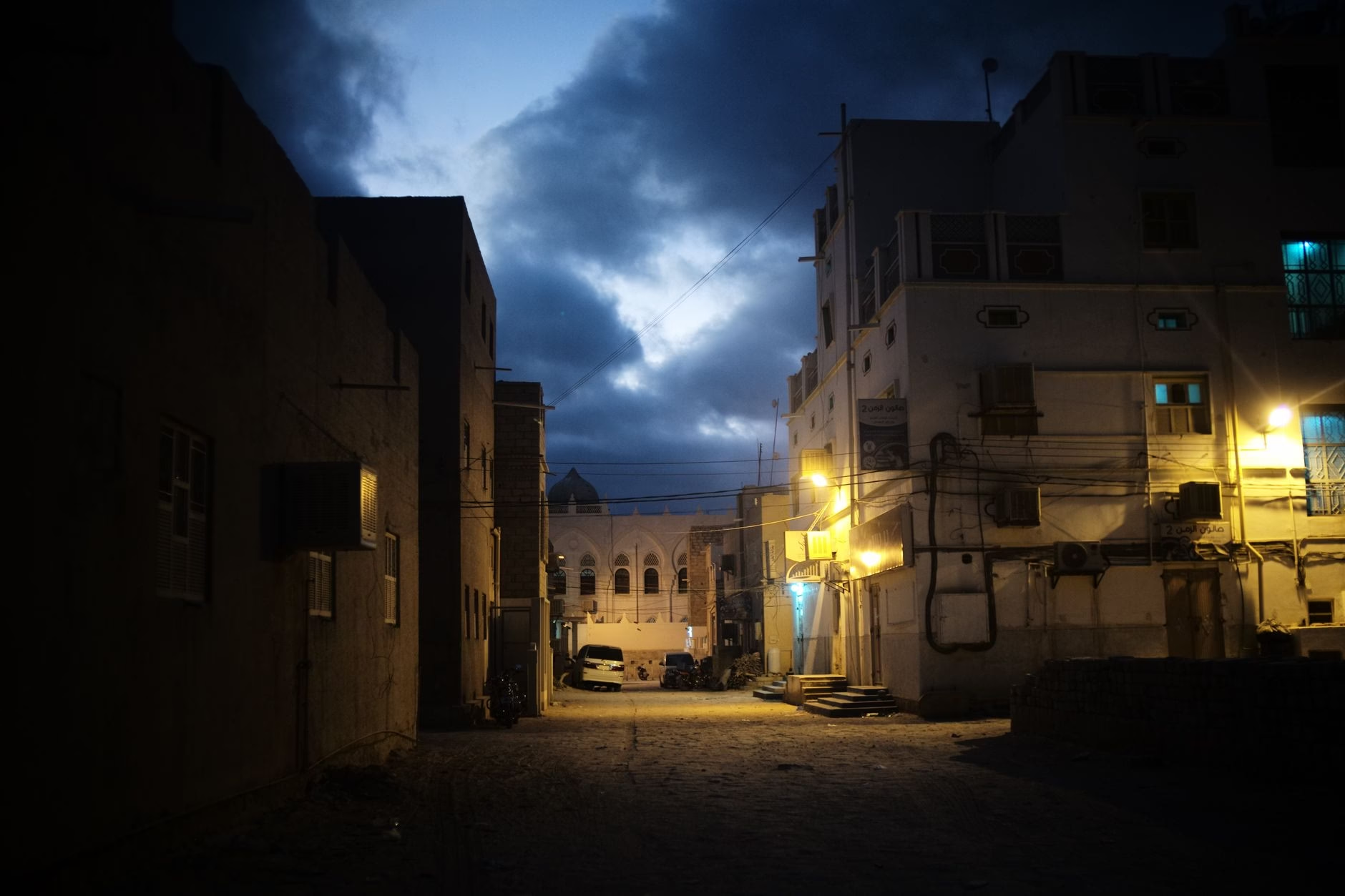
While legendary cities with ancient blue-domed architecture remain major draws, the modern travel trend encourages a deeper journey into the interior. Visitors are eager to discover remote mountain villages, vast desert landscapes, and lesser-known provincial towns that showcase traditional crafts and local hospitality.
Traveling deeper into the regions requires more time and planning, which naturally extends the duration of each trip. By moving away from congested urban centers, tourists gain a more comprehensive understanding of the local culture. This dispersion of travelers also benefits smaller communities by distributing economic advantages more evenly throughout the territory.
Economic Impact and Spending Habits
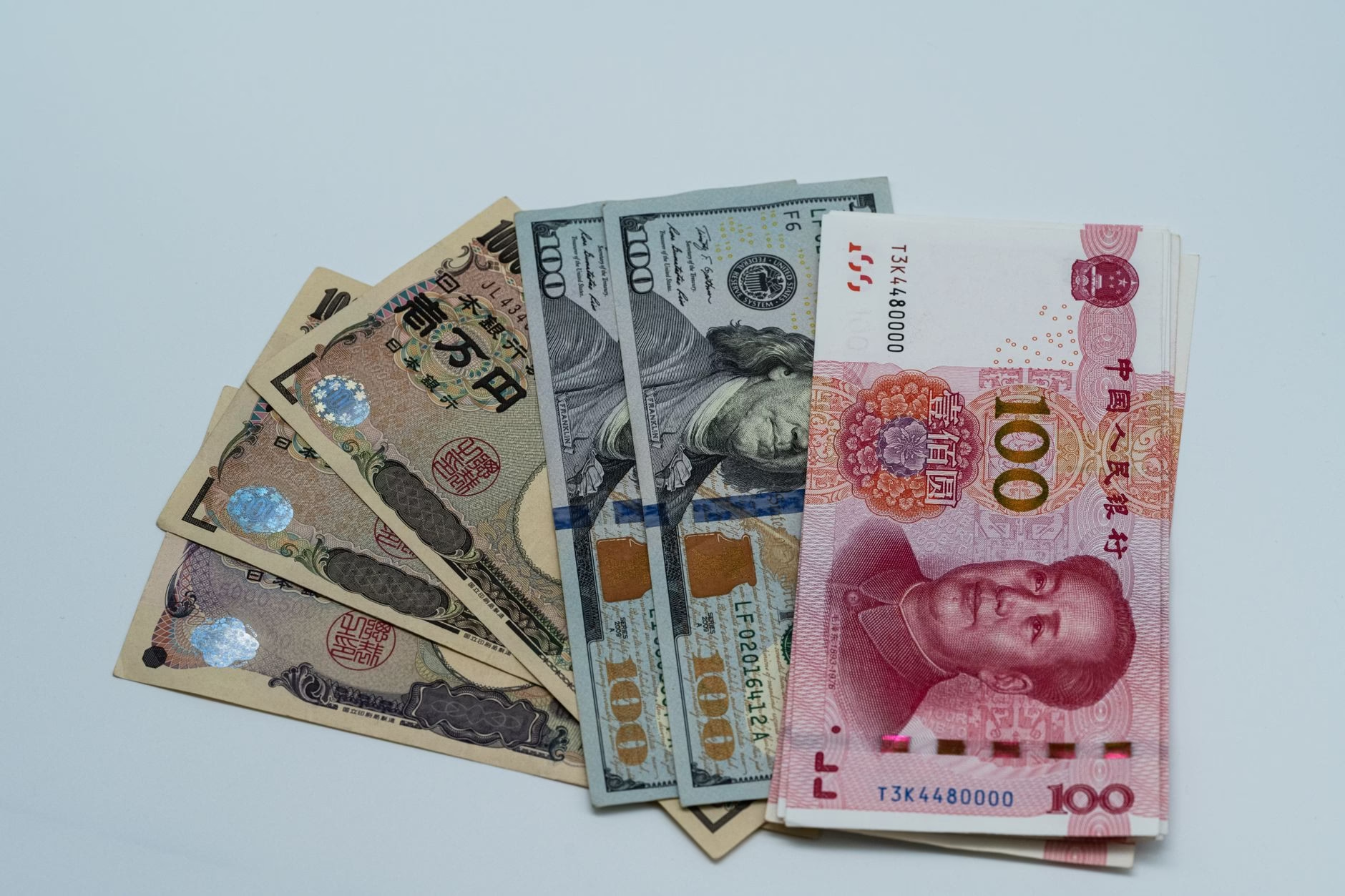
Extended itineraries naturally lead to higher financial contributions to the local economy. Visitors staying for longer periods allocate funds toward regional transport, extended lodging, authentic dining, and artisanal products. Craftsmanship, from intricate ceramics to traditional textiles, sees high demand as tourists seek meaningful keepsakes rather than mass-produced souvenirs.
Furthermore, the demand for specialized regional guides, adventure tour operators, and unique cultural excursions has grown. Tourists are willing to invest in high-quality experiences that provide direct access to local experts and craftsmen. This willingness to spend on specialized services strengthens the local tourism ecosystem.
Looking Ahead at Regional Development
To accommodate this influx of inquisitive travelers, regional infrastructure is steadily improving. Enhanced transportation networks make it easier to reach distant provinces without sacrificing comfort. At the same time, small-scale hospitality ventures, such as family-run guesthouses, are expanding to provide personalized lodging options.
These developments ensure that the growth remains sustainable while catering to the sophisticated demands of modern explorers. As the tourism sector continues to mature, the emphasis remains on preserving cultural heritage while offering welcoming environments for international guests. The future of travel in the region points toward prolonged discovery and deeper economic integration.


















Leave a Reply