


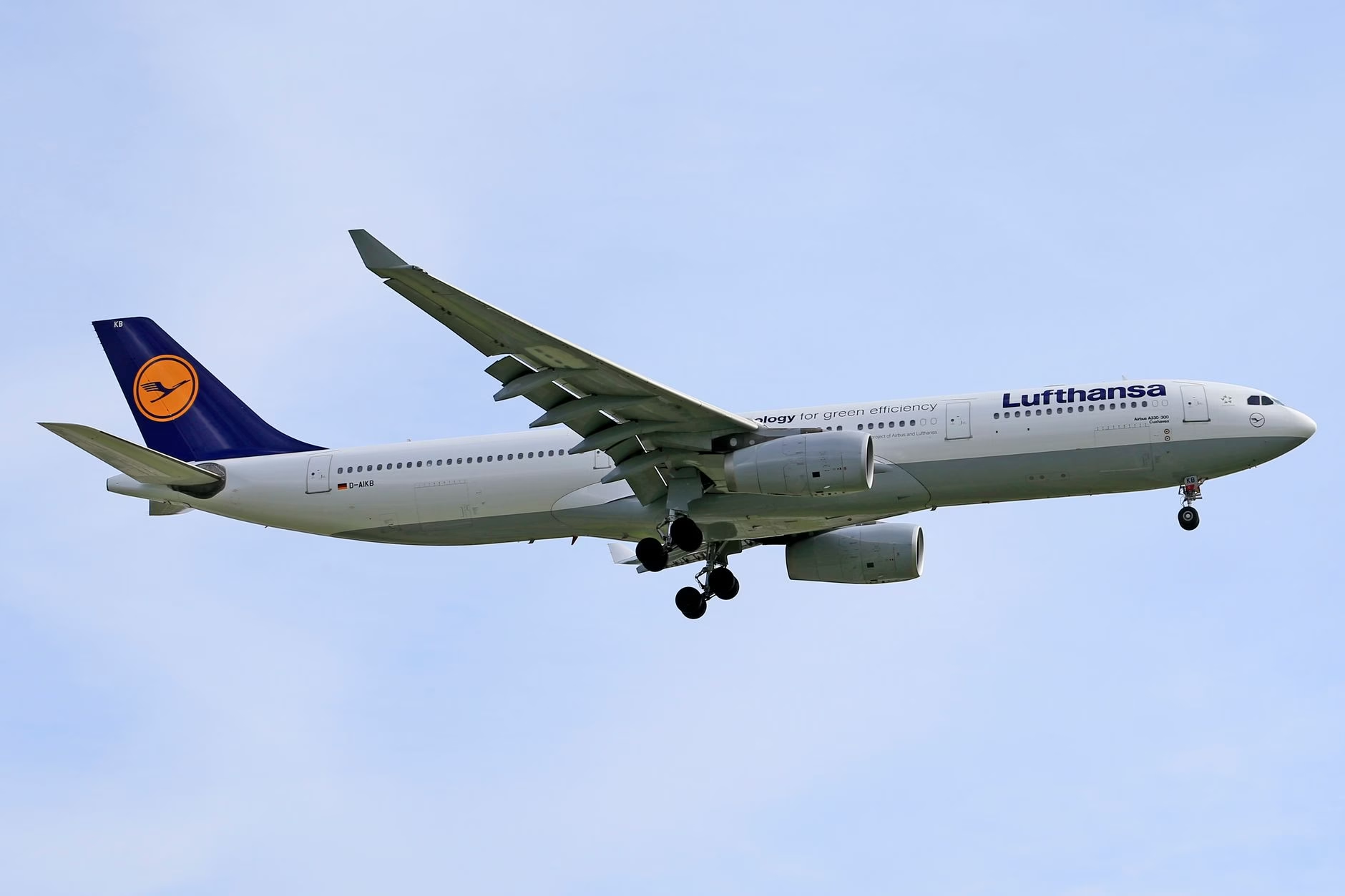
The European aviation sector achieved unprecedented milestones during the recent summer travel period. According to official data released by the aviation management organization Eurocontrol, flight numbers across the continent surpassed previous historical records.
This growth occurred despite significant geopolitical challenges, most notably the ongoing armed conflict in the Middle East, which forced airlines to alter flight paths and manage numerous airspace restrictions.
Summer Travel Demand Surges Across Europe
During the peak summer months, millions of passengers took to the skies, driving demand for leisure and business travel higher than pre-pandemic levels in many regions. Major international hubs and regional airports experienced continuous high volumes of aircraft movements.
Airlines responded to the surging passenger appetite by expanding schedules and deploying larger aircraft where available. Despite operational hurdles, the European skies remained exceptionally busy from June through August.
Navigating Middle East Conflict and Airspace Closures
The persistence of military hostilities in the Middle East created complex logistical hurdles for international carriers flying between Europe and Asia.
Many airlines had to reroute aircraft around volatile zones, leading to extended flight durations, increased fuel consumption, and higher operational expenditures. Even with these disruptions, European air navigation providers successfully managed the heavy traffic flow without widespread systemic failures.
Eurocontrol highlighted the resilience of the aviation network in absorbing these shocks while maintaining high standards of safety and punctuality.
Looking Ahead at European Aviation Resilience
The robust performance during the summer season underscores the enduring strength of European tourism and business connectivity. Industry stakeholders continue to monitor global conflicts and fuel costs as potential risks for upcoming seasons.
However, the latest statistics demonstrate that passenger demand remains resilient. European aviation authorities remain focused on modernizing air traffic management systems to accommodate future growth and environmental sustainability goals.




















Leave a Reply