


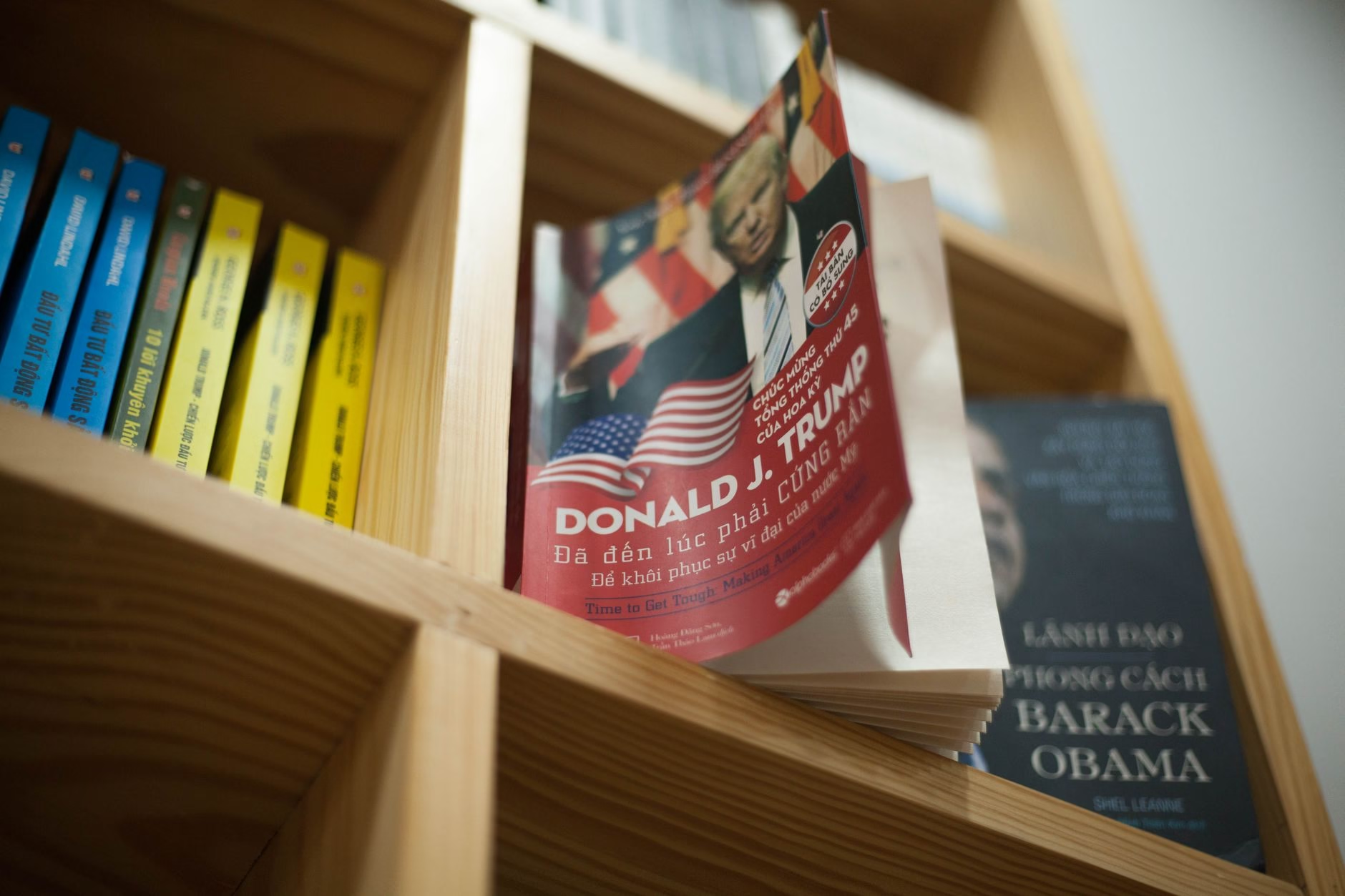
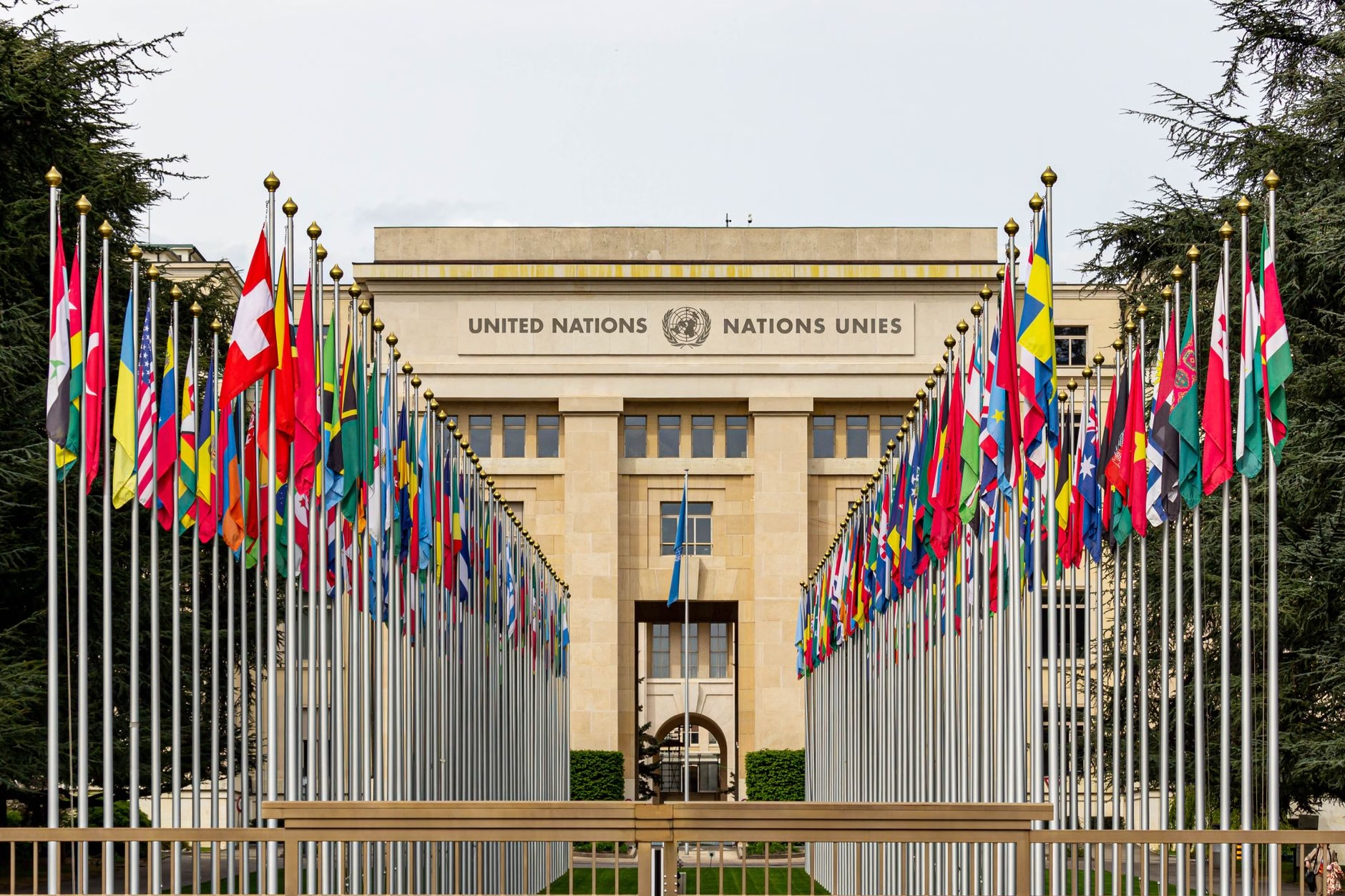
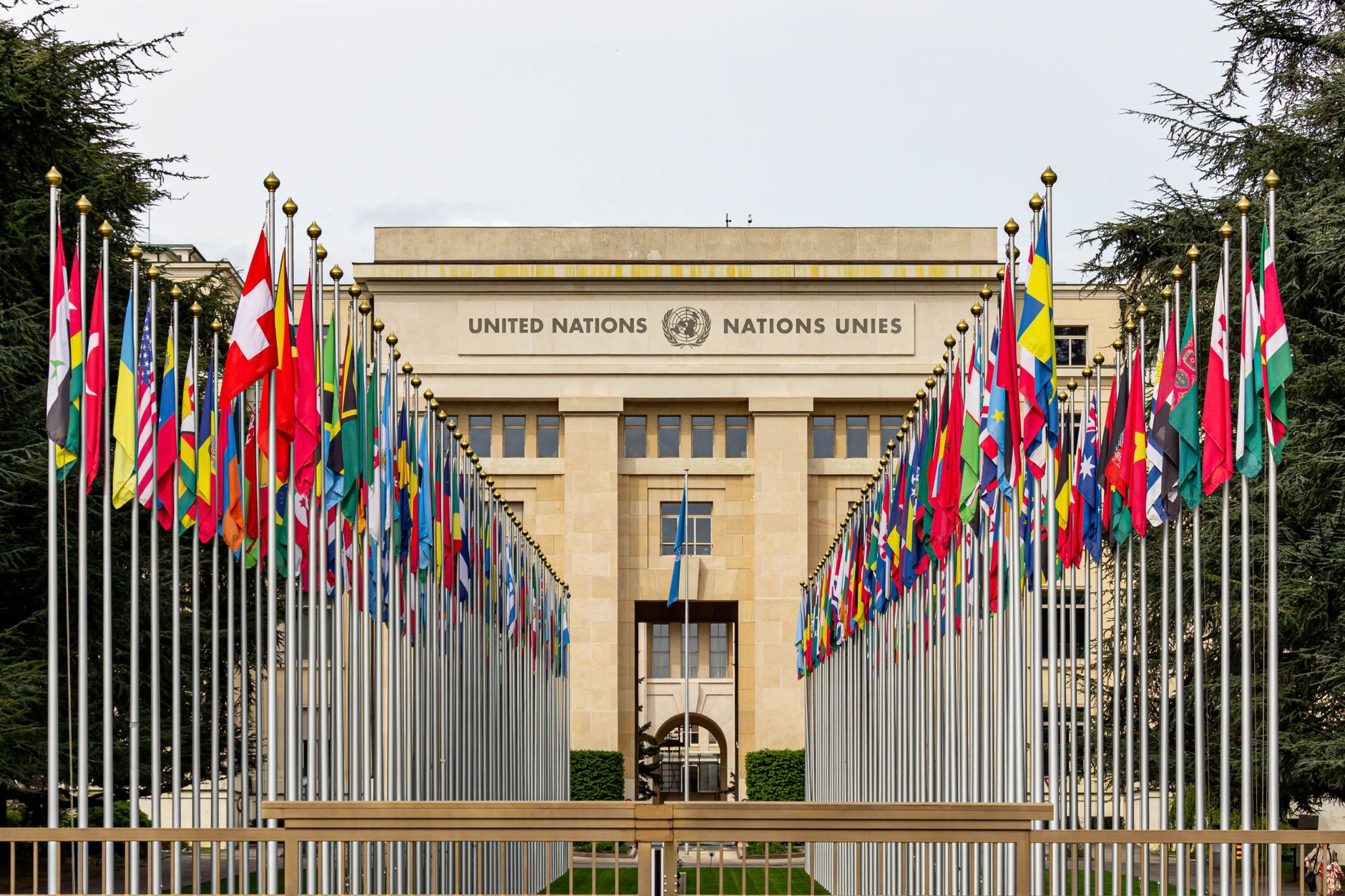
President Donald Trump is set to address the United Nations General Assembly during a particularly complex and demanding period for both international relations and his own administration. The return to the global stage comes at a time when diplomatic friction is high and the international community faces unprecedented technological and geopolitical hurdles.
Global Anxiety Over Iran
Among the most pressing security concerns dominating discussions at the international body is the escalating tension involving Iran. Diplomats and world leaders are closely monitoring developments in the Middle East, seeking viable pathways to de-escalate regional conflicts and prevent further proliferation risks.
The stance of the United States remains a central focal point for allies and adversaries alike. The administration’s diplomatic and economic strategies regarding Tehran are expected to shape the broader security dialogue during the high-level diplomatic gathering.
The Rapid Rise of Artificial Intelligence
Beyond traditional geopolitical flashpoints, world leaders are grappling with the rapid advancement and integration of artificial intelligence. The technology presents vast economic opportunities alongside profound ethical, security, and societal risks.
Governments are increasingly pressed to establish international frameworks to govern autonomous systems, cybersecurity threats, and the potential misuse of advanced algorithms. The United Nations serves as the primary forum for debating these global governance standards.
Future of the World Body
The relevance and operational effectiveness of the United Nations itself are under scrutiny as multilateral diplomacy faces severe tests. Critics and supporters alike debate the capacity of the institution to resolve major global crises in an era of deepening polarization.
Addressing the General Assembly provides an opportunity to outline national priorities while engaging with multilateral partners. How the international community navigates these overlapping challenges will significantly influence the future trajectory of global cooperation.
















Leave a Reply