


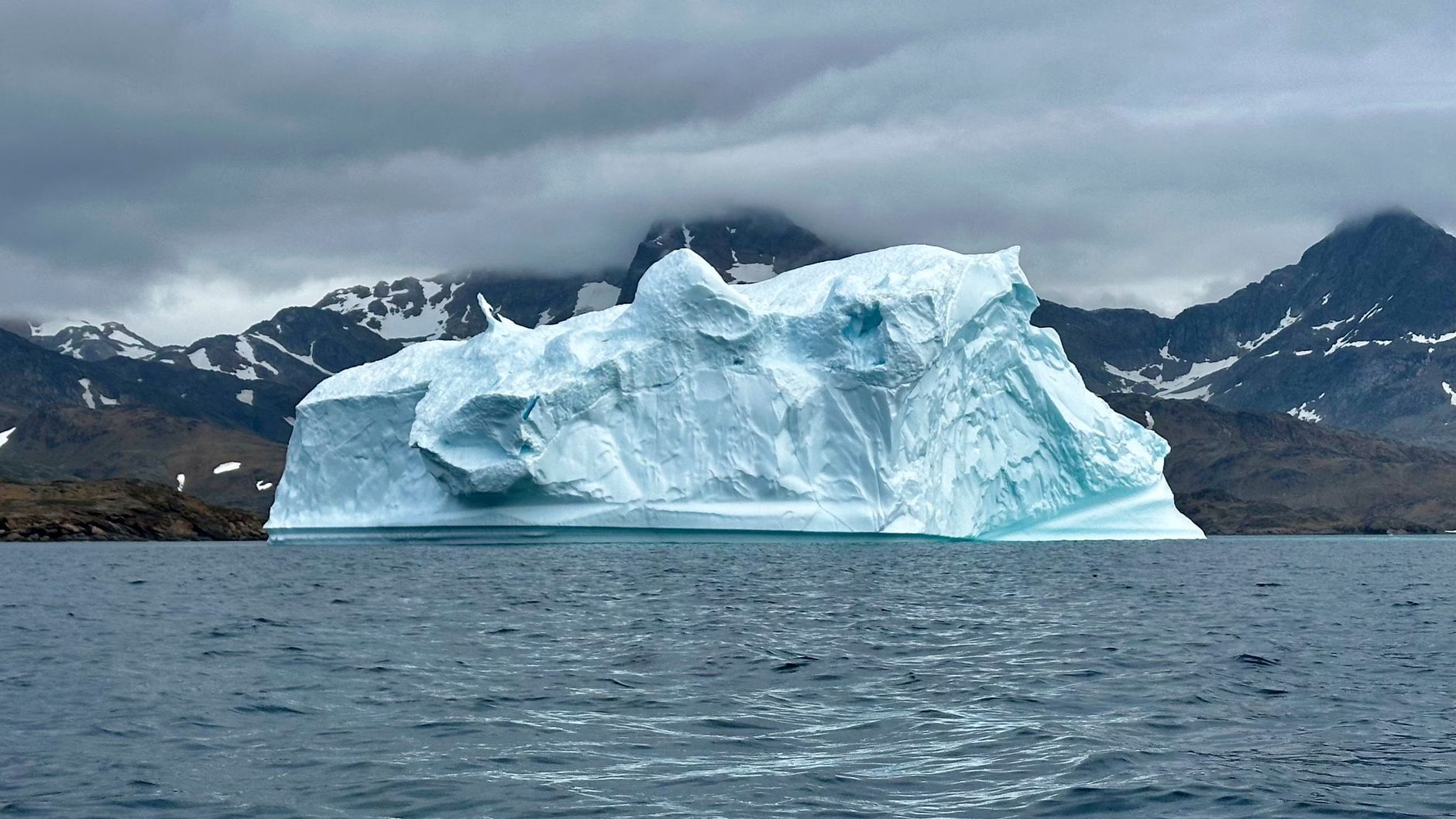
The Arctic region has long held strategic value for global superpowers, but the notion of the United States acquiring Greenland brought this remote territory into the international spotlight in an unprecedented way. While the concept of purchasing the world’s largest island might sound like a modern political novelty, diplomatic discussions surrounding American interest in the Danish territory actually date back much further than many realize, though recent years have brought renewed focus to the topic.
The Public Revelation of 2019
President Donald Trump and his administration first captured global attention regarding the autonomous Danish territory in August 2019. Reports emerged that the American leader had repeatedly asked advisors about the feasibility of the United States acquiring Greenland. The proposition involved exploring whether Washington could purchase the vast landmass, citing both national security interests and economic potential. At the time, the idea was widely discussed across international media platforms, drawing curiosity, skepticism, and debate from geopolitical analysts worldwide.
Immediate Diplomatic Reactions
The initial response from European leaders was swift and definitive. The head of the government in Copenhagen quickly dismissed the proposition, labeling the idea as absurd. Officials emphasized that the semiautonomous territory was not for sale and that the local population ultimately determined the political and administrative future of the island. Despite the firm rejection from European allies, the discussion highlighted the growing strategic importance of the Arctic circle in contemporary geopolitics, particularly concerning shipping lanes, natural resources, and military positioning.
Historical Precedents and Strategic Importance
While the concept of a modern acquisition seemed novel, the United States has historically shown interest in the geographical positioning of the island. During the mid-twentieth century, Washington recognized the critical defense value of the region, leading to agreements that established military installations on the territory. The renewed diplomatic discussions under the leadership of the administration reflected a continuing awareness of the shifting balance of power in the polar north, where competing nations continue to vie for influence and access to untapped mineral reserves.
Looking Ahead at Arctic Diplomacy
The public discourse initiated in 2019 fundamentally shifted how policymakers view the governance and sovereignty of the Arctic. Even though the proposal to purchase the landmass did not materialize into a formal transaction, it successfully elevated the geopolitical profile of the region. As environmental changes open new maritime routes and resource extraction opportunities, the strategic positioning of the Danish territory remains a focal point for international diplomacy, national defense strategies, and future diplomatic engagements between allied nations.



















Leave a Reply