


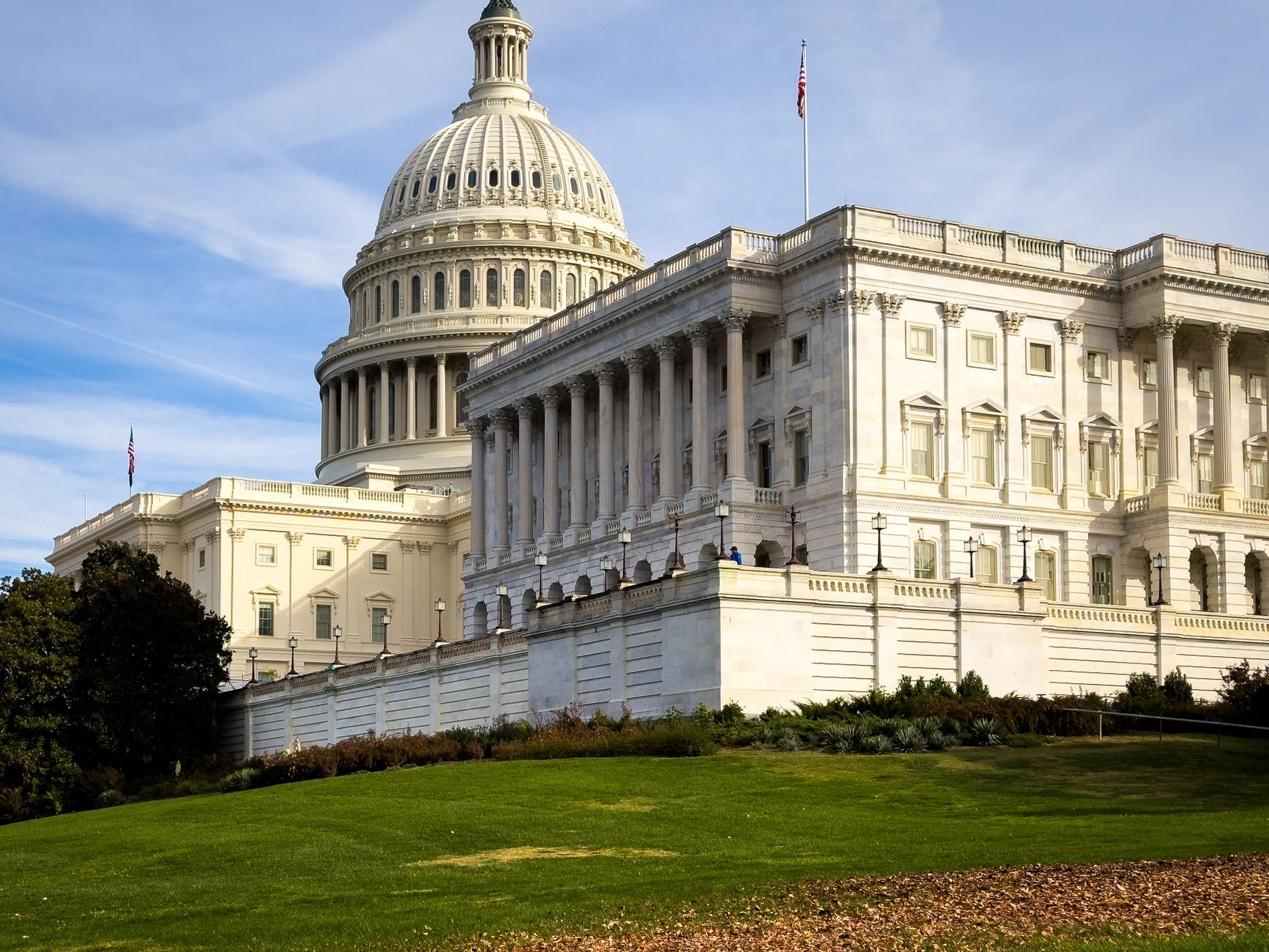
The political landscape in Washington is shifting rapidly as administration officials implement an assertive strategy to advance major policy goals. By testing the boundaries of presidential authority, the current White House aims to secure fast victories on key legislative and foreign policy fronts. However, this aggressive governance model carries significant political risks, particularly as the nation looks toward the upcoming November elections.
Executive Action and the Pursuit of Rapid Policy Wins
Recent months have witnessed a flurry of decisive moves from the executive branch. Supporters argue that bold leadership is essential to bypass traditional bureaucratic gridlock and deliver rapid results for the American public. This muscular approach to executive power touches multiple vital sectors, ranging from international trade agreements and defense maneuvers to domestic fiscal policy.
By leveraging the full extent of presidential authority, administration architects hope to cement a lasting legacy and rally their core political base. Yet, this strategy often relies on unilateral measures that bypass Congress, sparking intense debate among legal scholars, opposition lawmakers, and civil society organizations regarding the appropriate limits of executive overreach.
Polling Data Reveals Public Dissatisfaction
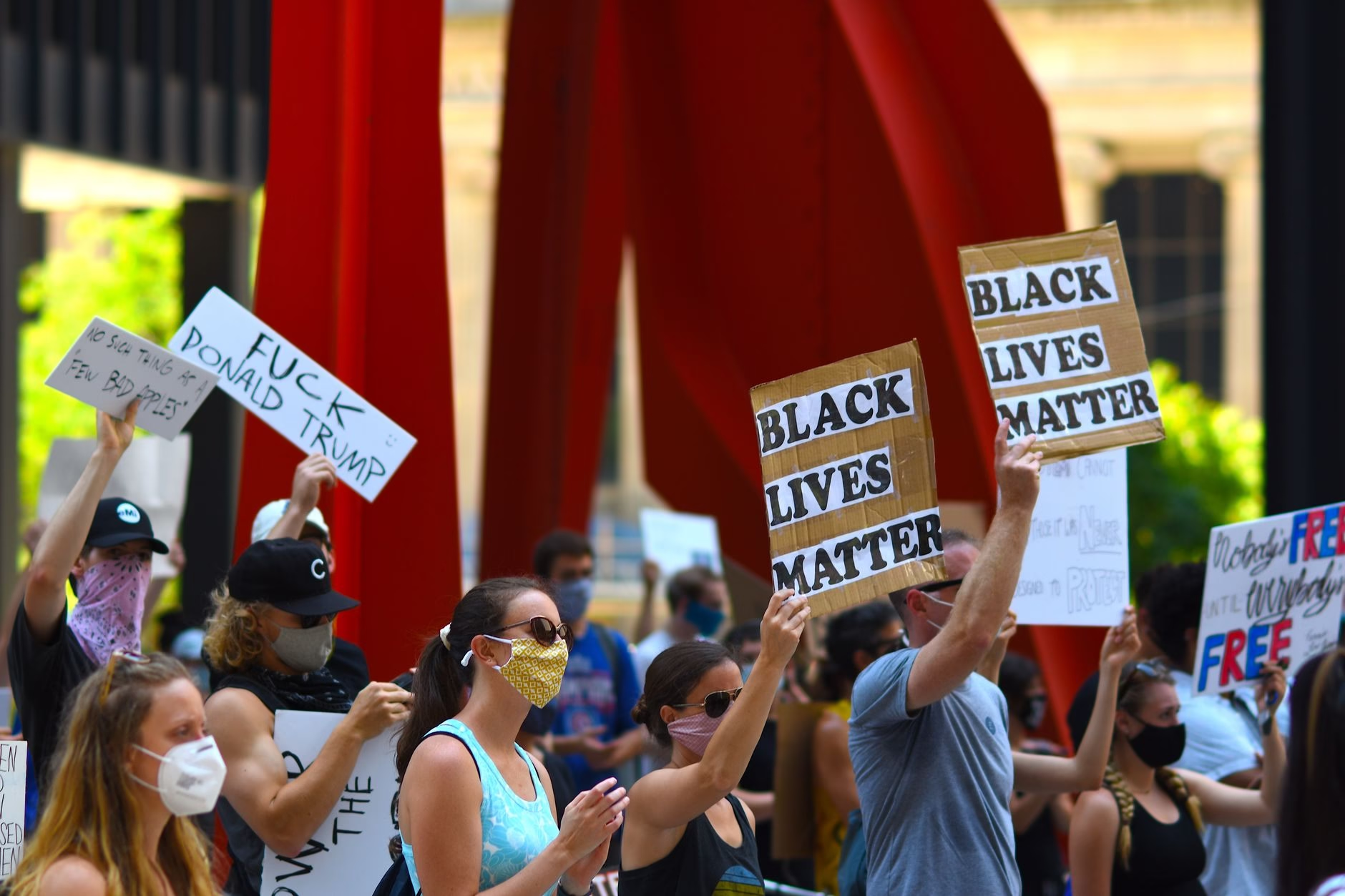
Despite the administration’s determination to drive its agenda forward at a swift pace, recent public opinion surveys indicate a growing disconnect between the White House and the electorate. Voters across various demographic lines have expressed substantial dissatisfaction with the administration’s current trajectory.
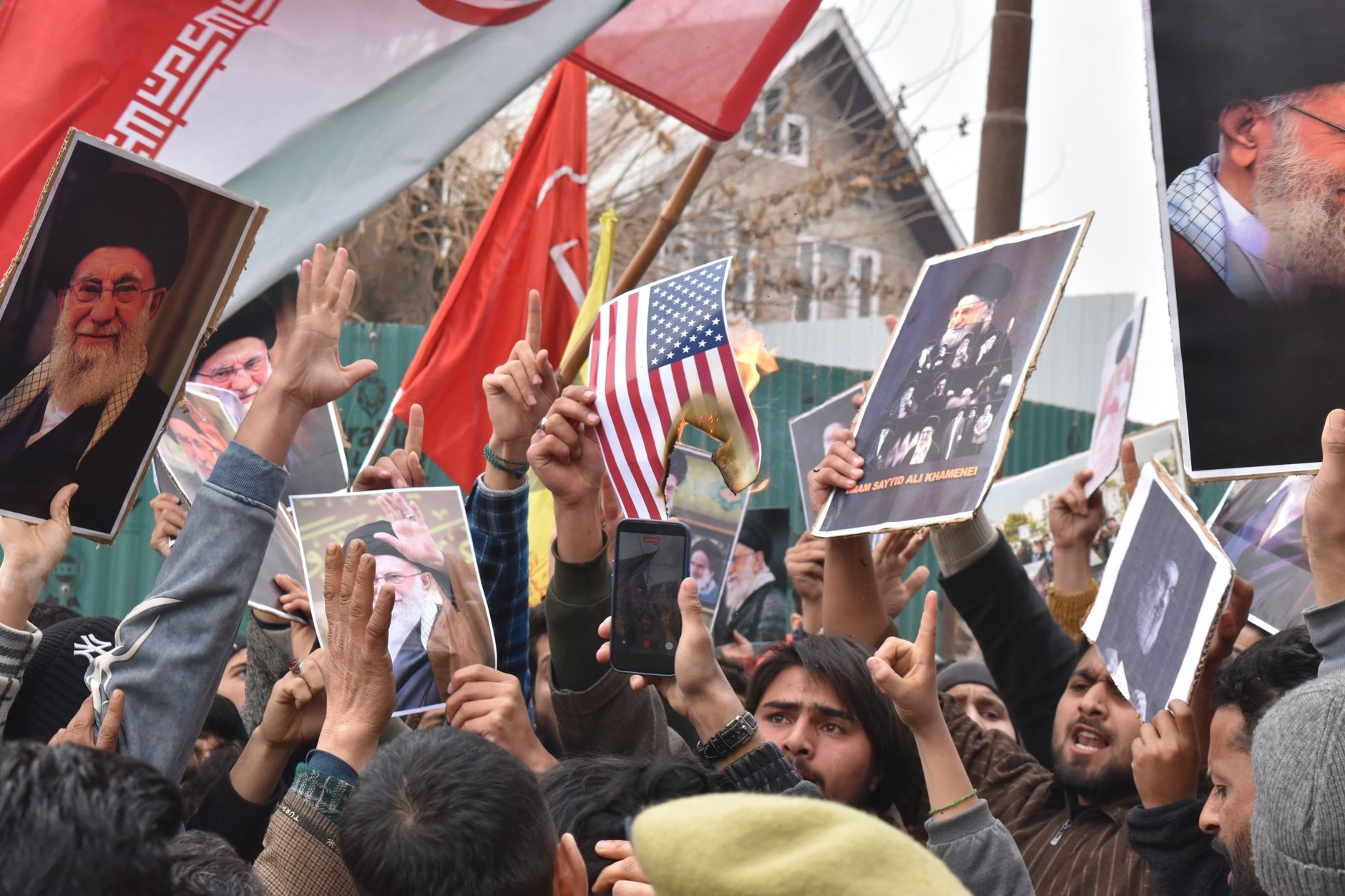
Public skepticism is particularly visible in two critical areas: economic management and foreign policy. Concerning financial matters, many citizens report persistent anxieties regarding inflation, the cost of living, and overall financial stability. Meanwhile, controversial foreign interventions, such as the military engagement involving Iran, have intensified public unease about global stability and the wisdom of recent military deployments.
Political Implications for the November Midterms
The convergence of aggressive executive actions and widespread voter discontent creates a challenging environment for the governing party as the November ballot approaches. Political analysts note that historical patterns often favor the opposition party when the electorate feels alienated by the ruling administration’s methods or outcomes.
Candidates running in the upcoming elections must carefully navigate these competing pressures. While they need to maintain enthusiasm among loyal supporters who favor decisive leadership, they must also address the very real concerns of independent and moderate voters who are signaling a desire for stability, consensus, and economic relief.
Conclusion
The strategy of moving fast and breaking traditional norms has certainly captured the nation’s attention, defining the current era of presidential leadership. Whether this high-stakes gamble pays off politically or results in significant losses at the ballot box remains one of the central questions of the current electoral cycle. As November draws closer, the ultimate verdict rests with voters, who will decide whether the administration’s forceful methods have served the country well or gone too far.




















Leave a Reply