


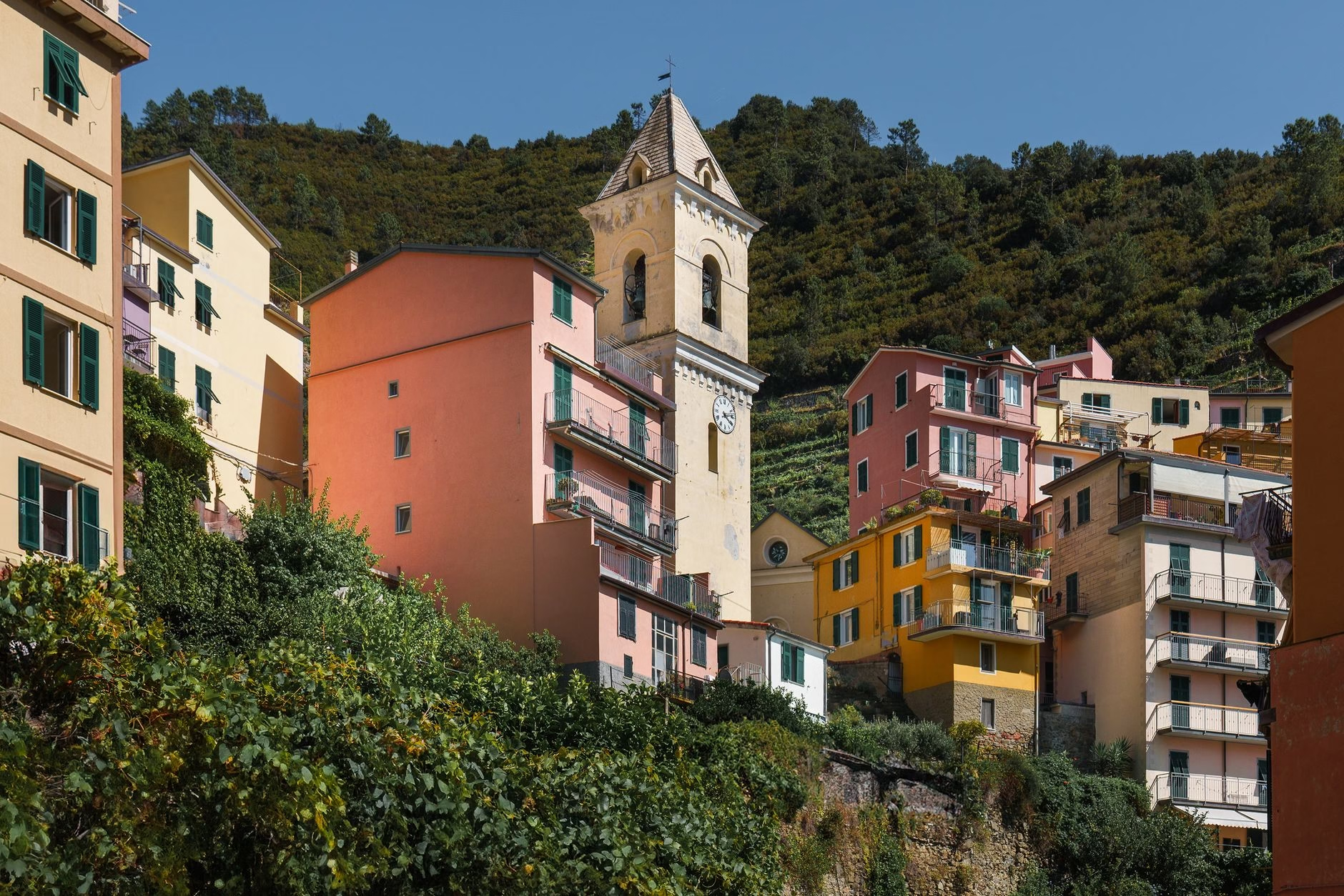
Italy remains one of the most beloved travel destinations in the world, drawing millions of visitors to its famous art capitals and coastal hubs every single year. Major destinations like Rome, Florence, and Venice hold undeniable allure, yet they often come with massive crowds, long lines, and inflated tourist prices. Travelers seeking a more authentic, relaxed, and intimate experience should look beyond the metropolitan areas and turn their attention toward the country’s lesser-known rural gems. With twenty distinct regions offering diverse landscapes, culinary traditions, and architectural heritage, Italy holds countless treasures just waiting to be uncovered away from the standard tourist trail.
Introduction to Off the Beaten Path Travel in Italy
Venturing beyond the major urban centers allows visitors to connect more deeply with local culture, traditions, and daily life. While iconic landmarks certainly deserve their reputation, smaller settlements provide a peaceful atmosphere where historic traditions remain fully alive. Exploring these quieter locales lets travelers support family-run businesses, enjoy authentic regional cuisine without tourist-trap markups, and discover breathtaking scenery undisturbed by masses of tour groups. Choosing regional destinations over congested cities transforms a standard vacation into a truly memorable cultural immersion.
Charming Small Town One
The first hidden gem sits nestled within a breathtaking regional landscape characterized by rolling hills, ancient vineyards, and historic stone architecture. This destination captures the timeless essence of rural Italian living without the constant hustle and bustle of larger urban hubs. Visitors can wander through narrow cobblestone alleys, admire centuries-old churches, and engage in unhurried conversations with local artisans. The slow pace of life here encourages travelers to sit at a local piazza, sip an espresso, and simply watch the world go by. It serves as an ideal base for exploring surrounding nature trails and sampling local wines straight from the producers.
Charming Small Town Two
Moving toward another distinct region reveals a coastal or mountain village that offers dramatic views and a tranquil atmosphere. This location stands out for its unique maritime or alpine heritage, depending on the geography, showcasing traditions passed down through generations. Travelers here can enjoy fresh local catches at small family-owned trattorias or hike scenic overlooks that rival the views of more famous tourist spots. The absence of heavy crowds allows for quiet reflection and genuine appreciation of the natural surroundings, making it a peaceful sanctuary for those looking to recharge.
Charming Small Town Three
A third remarkable destination brings history buffs and architecture enthusiasts face to face with remarkably preserved medieval structures and ancient fortresses. Tucked away from major highways, this historic town features atmospheric stone walls, hidden courtyards, and panoramic viewpoints overlooking expansive valleys. Walking through these quiet streets feels like stepping back in time, far removed from the modern world. Local festivals and community gatherings offer visitors a chance to experience authentic traditions and regional folklore in an intimate setting that larger cities simply cannot replicate.
Charming Small Town Four
The final recommendation offers a delightful blend of exceptional gastronomy and warm local hospitality, representing the very best of its specific territory. Food lovers will find paradise here, as local recipes rely on time-tested methods and ingredients sourced directly from nearby farms and forests. Whether enjoying a hearty regional stew or handcrafted pasta made by local grandmothers, every meal tells a story of cultural heritage. Engaging with the welcoming residents completes the experience, leaving travelers with lasting memories and a deeper appreciation for the multifaceted beauty of the country.
Tips for Exploring Regional Italy
Visiting smaller towns requires a slightly different approach compared to navigating major cities like Milan or Naples. Renting a car is often essential, as public transportation networks may be less frequent in rural zones. Travelers should also embrace the traditional afternoon closure of shops, known as the riposo, and plan meals around standard local dining hours. Learning a few basic Italian phrases goes a long way in these intimate communities, where English might not be as widely spoken as in tourist hotspots. By preparing adequately and maintaining an open mind, visitors will unlock an unforgettable journey into the heart of authentic Italian culture.






















Leave a Reply