


Introduction to Disaster Misinformation
In the aftermath of natural disasters, the rapid dissemination of information, often through digital platforms, plays a crucial role in public awareness and response efforts. However, this speed can also inadvertently facilitate the spread of misinformation, leading to confusion and potentially hindering aid. A recurring challenge involves the misattribution of visual content, where videos or images from one event are erroneously presented as depicting another. This phenomenon underscores the critical need for robust disaster video verification practices.
The Global Landscape of Seismic Activity
Regions prone to seismic activity, such as Taiwan and Indonesia, frequently experience earthquakes and tremors. These events, while distinct in their geographical and geological contexts, often generate a surge of online content. The immediate aftermath of such incidents creates an environment ripe for the unintentional or deliberate mislabeling of digital media. When a significant tremor occurs, the public naturally seeks information and visual evidence, making them susceptible to content that appears relevant but is, in fact, unrelated or repurposed.
The Challenge of Rapid Information Dissemination
Social media platforms have revolutionized how news and information are shared during crises. While offering unparalleled speed and reach, they also present significant challenges for accuracy. In the chaotic hours following a natural disaster, numerous videos and images emerge, often uploaded by eyewitnesses. Without proper context or verification, these pieces of content can quickly become detached from their original source and location. This detachment makes them vulnerable to being re-shared with incorrect captions, leading to widespread confusion.
Misattribution in Recent Events
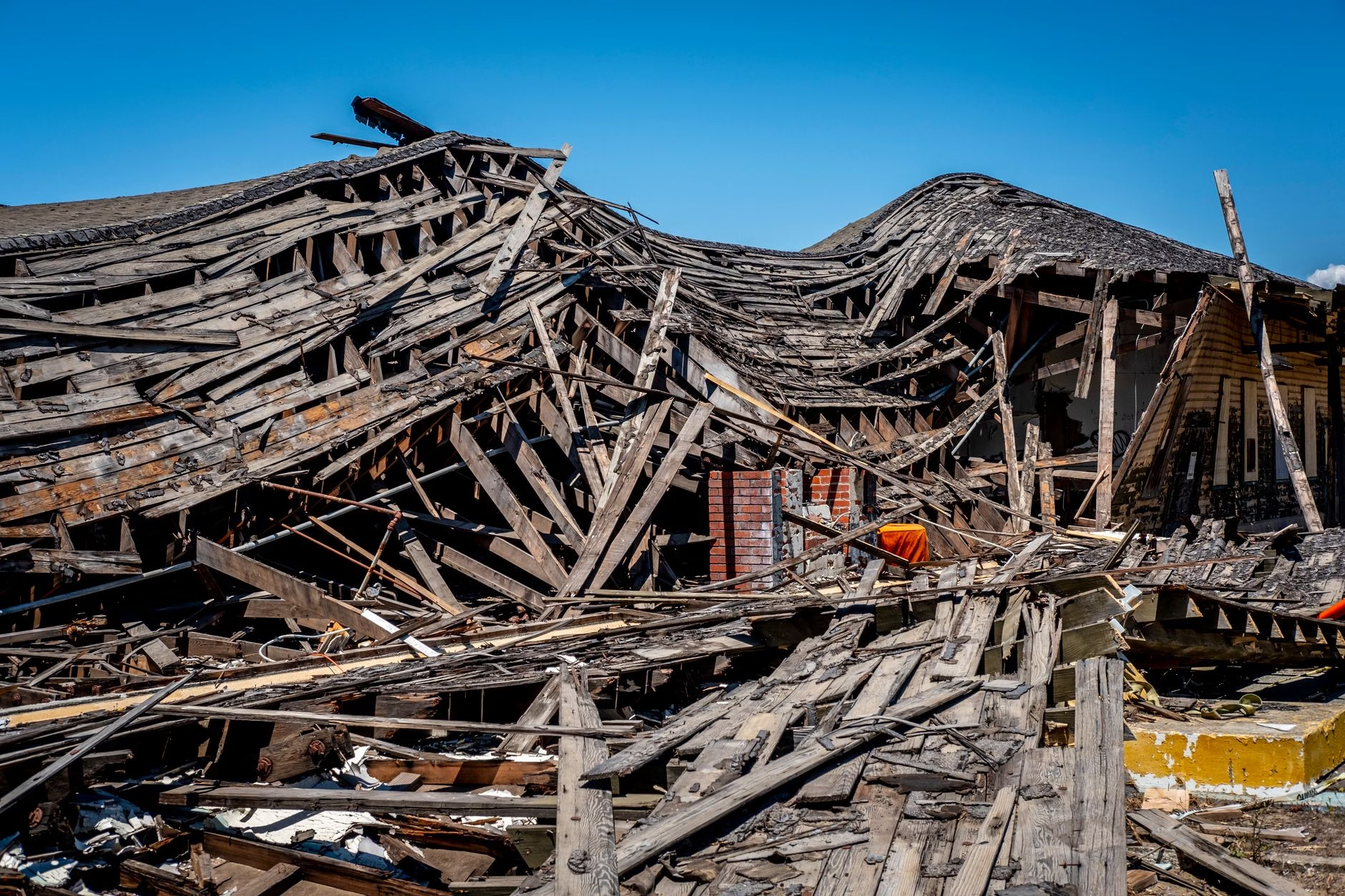
A notable instance of this challenge involves a video captured following a 2024 tremor in Taiwan. This footage, depicting scenes from the Taiwanese event, was subsequently and erroneously circulated with claims that it showed damage from an earthquake in Indonesia. Such mislabeling highlights a common pattern where genuine footage from one disaster is incorrectly attributed to another, often geographically distinct, event. This practice can create a distorted perception of the scale and impact of various incidents, diverting attention or resources from where they are truly needed.
The Impact of False Narratives
The consequences of misattributed disaster footage are far-reaching. Firstly, it can generate unnecessary panic or alarm among populations not directly affected by the depicted event. Secondly, it can undermine the credibility of legitimate news sources and emergency services, as the public struggles to discern accurate information from false claims. Thirdly, it can lead to a misallocation of resources or a misunderstanding of the actual damage and needs in affected areas. For instance, if footage of severe damage from one country is linked to a less severe event in another, it could either exaggerate the situation or, conversely, downplay the true impact where it occurred.
Strategies for Verification
Combating disaster misinformation requires a multi-pronged approach, with a strong emphasis on verification. Individuals and organizations must adopt rigorous practices to ensure the accuracy of shared content. Key strategies include:
Reverse Image and Video Search: Tools like Google Reverse Image Search or specialized video verification platforms can help trace the origin of a piece of media. Uploading a screenshot or the video URL can often reveal where and when the content first appeared online.
Geolocation: Analyzing visual cues within a video or image, such as landmarks, street signs, or unique architectural features, can help confirm its actual location. Cross-referencing these details with satellite imagery or mapping services is an effective way to verify authenticity.
Timestamp Analysis: Examining metadata, if available, or looking for consistent timestamps across multiple uploads can provide clues about when the content was created. Discrepancies in timestamps or upload dates often signal misattribution.
Source Credibility Assessment: Always consider the source of the information. Is it a reputable news organization, an official government agency, or a verified individual? Be wary of anonymous accounts or those with a history of sharing unverified content.
Cross-Referencing: Compare the information with reports from multiple, independent, and trusted news outlets or official emergency services. If a piece of content is widely reported by credible sources, its likelihood of being accurate increases.
The Role of Media Literacy
Beyond specific verification techniques, fostering strong media literacy skills among the general public is paramount. Education on critical thinking, understanding digital manipulation, and recognizing common misinformation tactics empowers individuals to become more discerning consumers of information. Encouraging a “pause before you share” mentality can significantly reduce the viral spread of unverified content during crises.
Journalists and content creators bear a particular responsibility to uphold the highest standards of accuracy. Their role in verifying information before publication is crucial in preventing the amplification of false narratives. Fact-checking organizations also play an indispensable role, often working quickly to debunk viral misinformation and provide clarity.
Conclusion: Upholding Information Integrity
The digital age, while connecting us globally, also presents unique challenges in maintaining informational integrity, especially during times of crisis. The incident involving the misattributed Taiwan tremor video highlights the persistent threat of disaster misinformation. By collectively embracing robust verification practices, promoting media literacy, and exercising caution in sharing unverified content, we can work towards a more accurate and reliable information ecosystem. Ensuring that footage from seismic events, or any natural disaster, is correctly contextualized is not merely an academic exercise; it is fundamental to effective public response, informed decision-making, and fostering trust in a world increasingly reliant on digital communication.
















Leave a Reply