


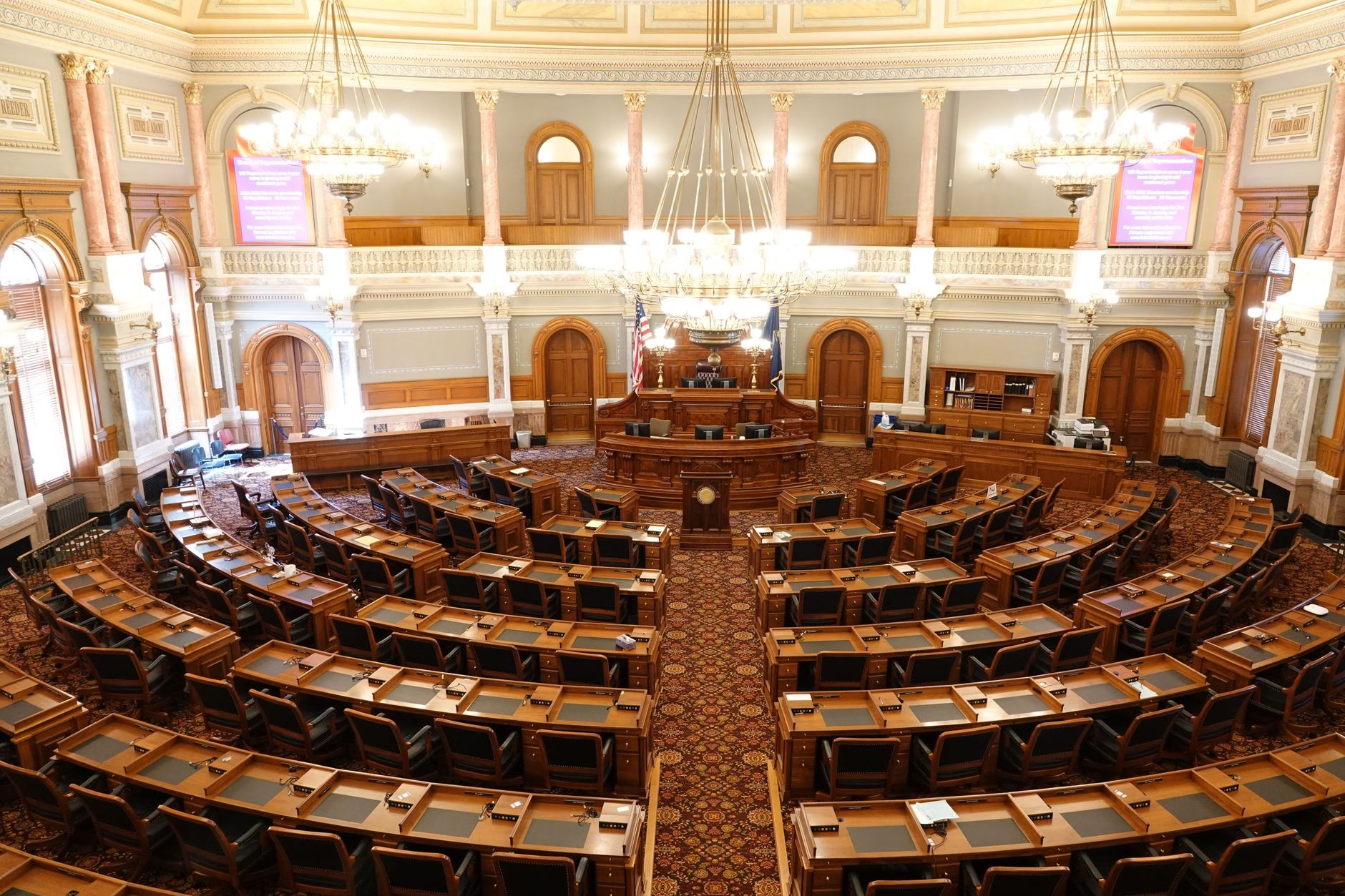
The Political Landscape of Kansas
Kansas has maintained a reputation as a Republican stronghold for nearly a century. Voters in the state have consistently favored conservative candidates in federal elections, particularly for the United States Senate. The prospect of a competitive race involving a Democratic candidate often seems remote to political analysts.
However, the current electoral cycle presents an unusual dynamic. A prominent religious leader has entered the political arena, shifting conversations about values, faith, and governance across the state. This development has captured the attention of political strategists nationwide.
Introducing Adam Hamilton
Adam Hamilton is well-known in the region as a megachurch pastor. His background centers on ministry and community leadership rather than traditional partisan politics. Stepping into the public sphere as a candidate, he brings a perspective shaped by years of pastoral work and congregational engagement.
His campaign has introduced a different tone to the political discourse. Instead of relying on conventional campaign playbooks, he speaks directly to voters about shared moral concerns, community responsibility, and the role of faith in public service. This approach challenges traditional assumptions about how candidates connect with the electorate.
Challenging the Incumbent
The contest pits Hamilton against the incumbent Republican senator, Roger Marshall. Observers note that the race has become surprisingly competitive, defying historical trends in a state where one party has dominated for generations.
Campaign events draw diverse crowds, including individuals who typically align with the opposing party. By addressing issues through the lens of shared values, the campaign seeks to bridge divides that often separate voters along party lines.
The Broader Implications for Faith and Politics
The strategy employed in Kansas raises broader questions about political alignment and religious communities. For decades, many religious voters have felt more comfortable within the conservative political coalition. Campaigns like this one test whether a different message can resonate with individuals who prioritize both faith and progressive or moderate policy goals.
Political scientists are closely monitoring the outcome to see if faith-based messaging can successfully redraw traditional electoral maps. Regardless of the final result, the campaign demonstrates that local context and unique candidate profiles can sometimes disrupt long-standing political certainties.


















Leave a Reply