


Diplomatic Missions and Global Itineraries
Secretary of State Marco Rubio has departed Washington for his 31st journey overseas in his capacity as the nation’s leading diplomat. His itinerary includes significant stops in Uzbekistan and India. However, this diplomatic voyage has sparked discussions and critical observations regarding the choice of destinations and the broader strategy guiding American foreign policy.
Observers and critics have pointed out that these diplomatic travels coincide with a period of intense global challenges. Some commentators suggest that focusing on visits to regions like Central Asia and South Asia might represent a preference for diplomatic engagements that carry fewer immediate geopolitical risks. This perspective contrasts sharply with the expectation that the nation’s top diplomat should remain heavily engaged in resolving the most urgent and volatile international crises.
The Strategic Importance of Central Asia
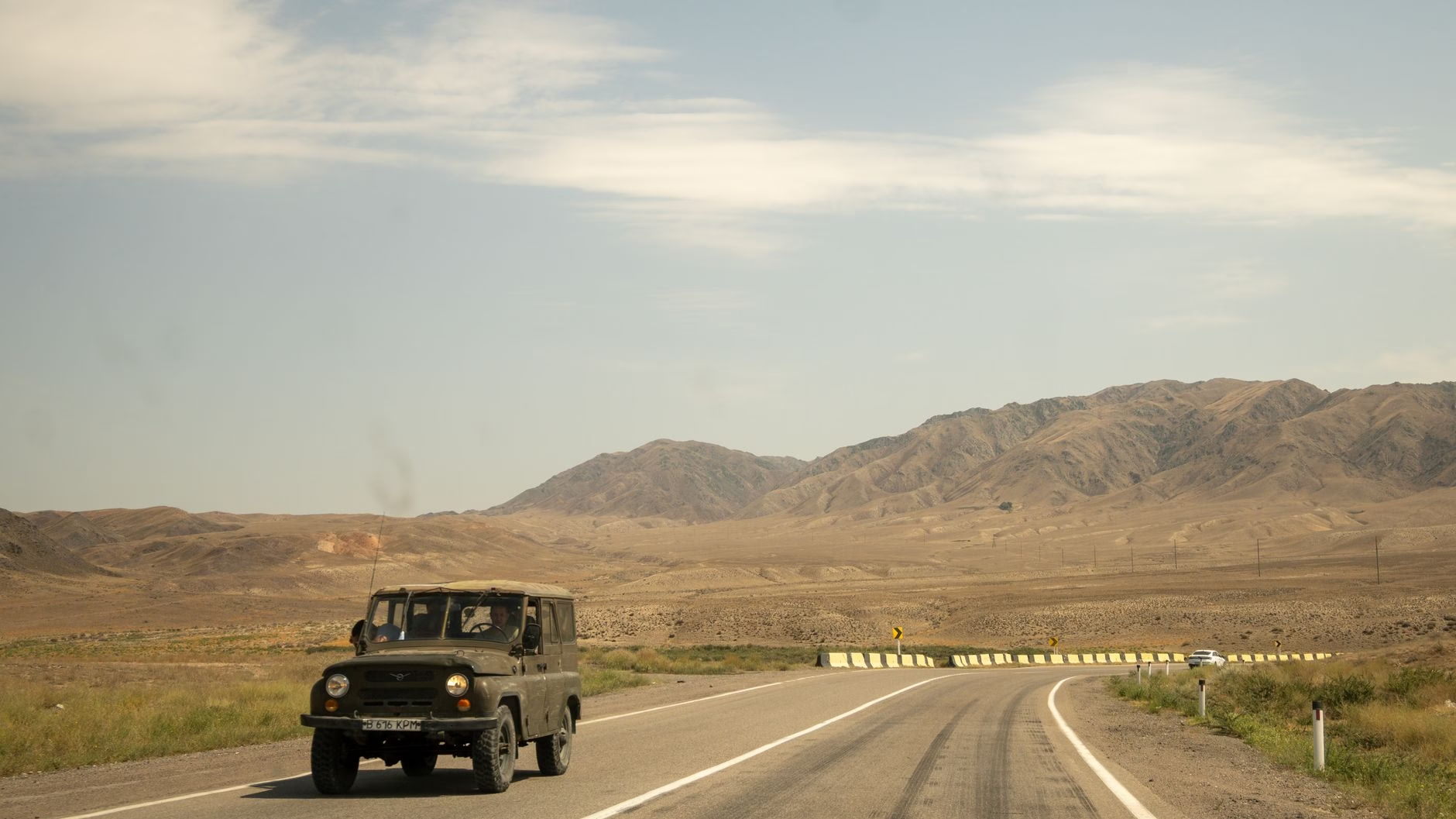
Despite questions regarding the timing and selection of his destinations, Central and South Asia hold undeniable strategic value for United States foreign policy. Uzbekistan plays a pivotal role in regional security, economic connectivity, and stability within Central Asia. Engaging with Tashkent allows Washington to maintain a constructive dialogue on matters relating to regional trade, security cooperation, and border management.
Furthermore, India remains an indispensable strategic partner for the United States in the Indo-Pacific region. Bilateral relations encompass vital areas such as defense collaboration, technological innovation, economic partnerships, and maintaining a free and open Indo-Pacific. Strengthening ties with New Delhi is a cornerstone of long-term American strategy in Asia, designed to counterbalance competing regional influences and foster cooperative security frameworks.
Balancing Domestic Expectations and Foreign Pressures
Managing the expectations of domestic audiences while executing a comprehensive foreign policy strategy is a perpetual challenge for any administration. Critics often argue that prioritizing routine diplomatic visits over high-stakes crisis management can project an image of avoidance when major international conflicts demand immediate attention from Washington.
At the same time, defenders of the Secretary of State emphasize that diplomacy requires a dual-track approach. While acute crises certainly demand high-level intervention, sustaining long-term alliances and exploring new regional partnerships are equally vital components of effective statecraft. Ignoring regions like Central Asia could create strategic vacuums that other global powers might readily exploit.
Evaluating the Outcomes of the Latest Trip
The true measure of this overseas mission will depend on the tangible outcomes achieved during the discussions in Uzbekistan and India. Concrete progress on economic agreements, security partnerships, and diplomatic alignment will serve to validate the administration’s strategic choices. As Secretary Rubio continues his extensive international schedule, the ongoing debate over diplomatic priorities highlights the complex balancing act required in modern international relations.






















Leave a Reply