


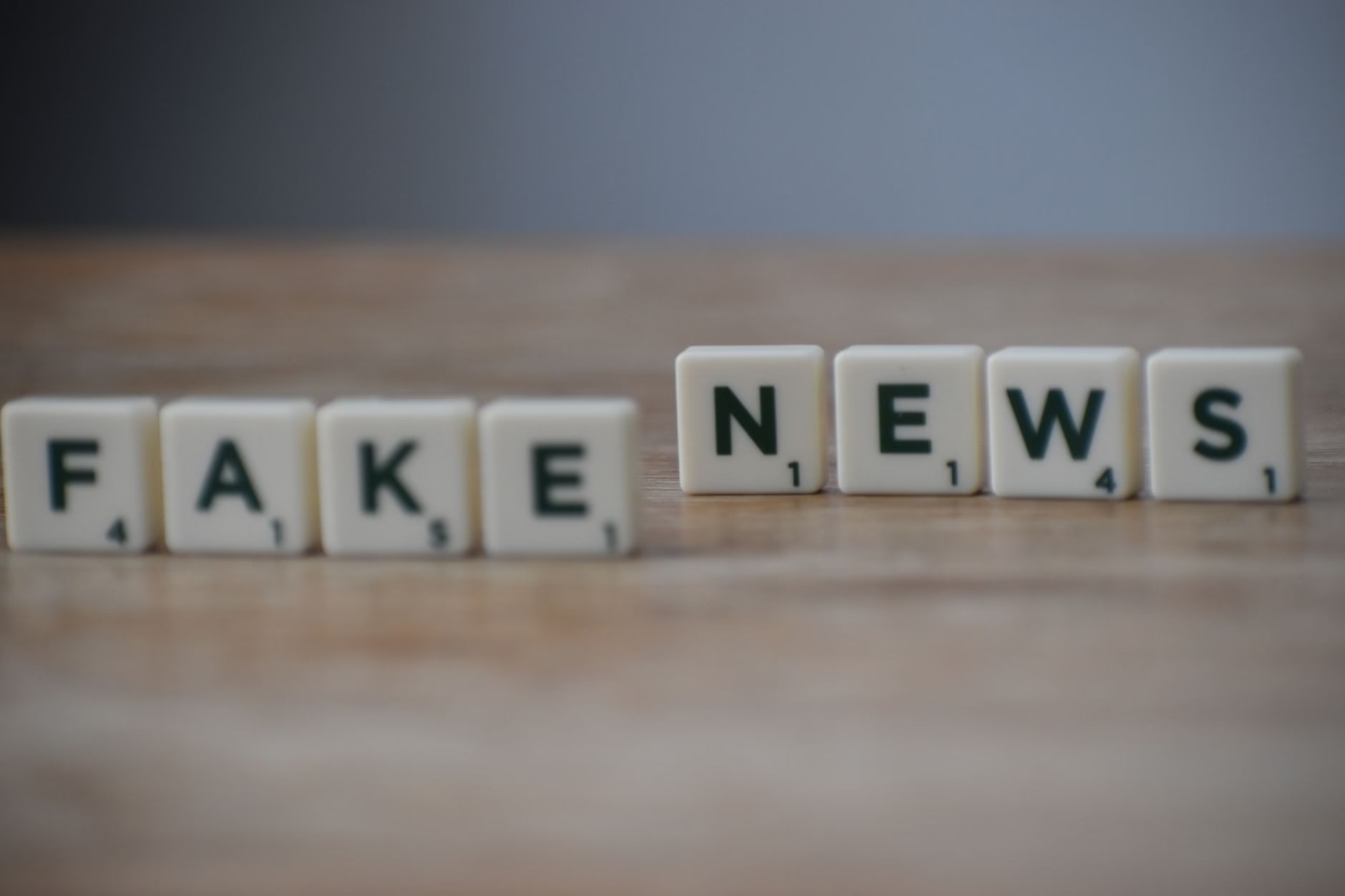
The digital age has ushered in unprecedented access to information, yet it has also created fertile ground for the rapid spread of misinformation and disinformation. Among the most potent forms of deceptive content are manipulated videos, which possess a unique ability to sway public opinion and distort reality. These altered visual narratives pose a significant threat, particularly when they pertain to sensitive events such as public protests or official statements from government ministers and law enforcement agencies. The ease with which videos can be doctored and disseminated online means that what appears to be a genuine depiction of events can, in fact, be a carefully constructed fabrication designed to mislead.
The proliferation of such content has profound implications for societal trust, democratic processes, and the accurate understanding of critical public events. When footage depicting police actions or ministerial comments is altered, it can ignite public outrage, erode confidence in institutions, and exacerbate social tensions. This phenomenon underscores an urgent need for enhanced media literacy and robust verification mechanisms to safeguard the integrity of online discourse.
Understanding Manipulated Video Tactics
Manipulated videos come in various forms, ranging from simple edits to sophisticated deepfakes. Basic manipulation might involve selectively cropping footage to remove context, altering the speed of a video to misrepresent actions, or adding misleading captions and audio overlays. More advanced techniques leverage artificial intelligence to create highly convincing but entirely fabricated scenes or to make individuals appear to say or do things they never did. These deepfake technologies are becoming increasingly accessible, lowering the barrier for malicious actors to produce high-quality deceptive content.
The intent behind such manipulation is often varied. It can range from political propaganda aimed at discrediting opponents or inciting unrest, to financial scams, or simply acts of malicious mischief. Regardless of the motive, the outcome is a distorted perception of reality that can have serious real-world consequences, influencing public sentiment and potentially leading to real-world actions based on false premises.
Impact on Public Perception and Trust
The immediate effect of manipulated videos, especially those targeting public figures or sensitive events like protests, is a significant erosion of public trust. When citizens are repeatedly exposed to conflicting or false narratives, their ability to discern truth from fiction diminishes. This uncertainty can foster cynicism towards traditional news sources, government bodies, and even fellow citizens. For instance, a video falsely depicting police brutality could inflame anti-police sentiment, while a doctored clip of a minister’s speech could undermine public confidence in policy decisions.
This erosion of trust extends beyond specific incidents, contributing to a broader societal polarization. Different groups, relying on different sets of “facts” derived from manipulated content, can become entrenched in their views, making constructive dialogue and consensus-building increasingly difficult. The digital echo chambers further amplify this effect, as individuals are often exposed primarily to information that confirms their existing biases, making them more susceptible to targeted misinformation campaigns.
Challenges for Law Enforcement and Public Officials
Law enforcement agencies and public officials are particularly vulnerable targets for video manipulation. Their roles inherently place them in situations of public scrutiny, and their actions or statements can be easily taken out of context or entirely fabricated. A manipulated video showing police officers acting aggressively, even if the original context justified their actions or the footage was entirely fake, can quickly go viral, leading to public condemnation, internal investigations, and a damaged reputation.
Similarly, a minister’s comments, perhaps delivered in a specific context or with nuanced intent, can be edited to appear inflammatory, contradictory, or incompetent. Such misrepresentations can severely hamper their ability to govern effectively, communicate with the public, and maintain credibility. The challenge for these entities is not only to refute false claims but also to do so quickly and effectively in a fast-moving digital environment, where a lie can travel halfway around the world before the truth has had a chance to put on its shoes.
The Role of Social Media Platforms
Social media platforms play a dual role in this landscape. While they serve as vital channels for information dissemination and public discourse, they are also the primary conduits for the rapid spread of manipulated content. The algorithms designed to maximize user engagement can inadvertently prioritize sensational or emotionally charged content, which often includes misinformation. The sheer volume of content uploaded daily makes manual verification an impossible task, and automated detection tools are still evolving.
There is growing pressure on these platforms to take greater responsibility for the content hosted on their sites. This includes implementing more robust content moderation policies, investing in advanced detection technologies, and collaborating with fact-checking organizations. However, balancing freedom of speech with the need to combat misinformation remains a complex and contentious issue, with platforms often facing criticism from various stakeholders regardless of the actions they take.
Strategies for Verification and Media Literacy
Combating the pervasive threat of manipulated videos requires a multi-faceted approach. At the individual level, enhancing media literacy is paramount. Citizens need to develop critical thinking skills to question the authenticity of online content, especially videos that evoke strong emotional responses. This includes checking the source of the video, looking for corroborating evidence from reputable news organizations, and being wary of sensational headlines or captions. Tools for reverse image and video search can also help identify if footage has been used out of context.
For organizations, including news outlets and government bodies, rapid response mechanisms are crucial. This involves proactively monitoring online discourse, swiftly debunking false claims with accurate information, and providing transparent explanations. Investing in forensic video analysis tools and collaborating with cybersecurity experts can also aid in identifying and exposing manipulated content. Educational initiatives aimed at informing the public about the dangers and tactics of misinformation are also vital in building a more resilient information ecosystem.
The Ongoing Fight Against Digital Misinformation
The battle against manipulated videos and digital misinformation is an ongoing and evolving challenge. As technology advances, so too do the methods of deception, requiring continuous adaptation and innovation in detection and prevention strategies. The integrity of public discourse, the stability of democratic institutions, and the very fabric of societal trust depend on our collective ability to navigate this complex digital landscape with vigilance and critical discernment. By fostering a culture of skepticism, promoting media literacy, and holding platforms accountable, we can collectively work towards a more informed and truthful online environment, ensuring that public understanding of critical events, like protests and official statements, is based on reality, not fabrication.




















Leave a Reply