


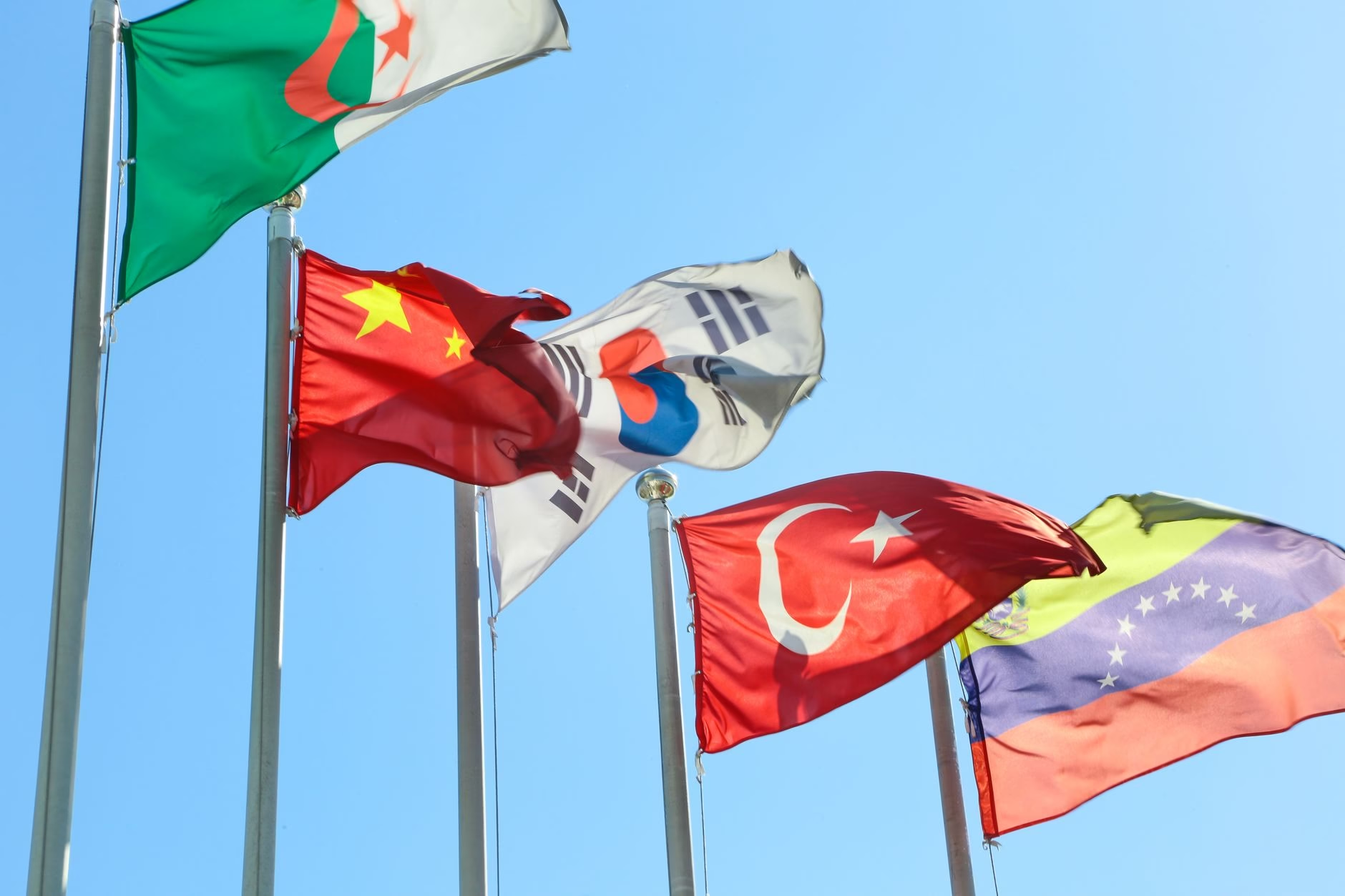
International Diplomacy and Global Priorities
The annual gatherings of the United Nations provide a premier stage for nations to outline their foreign policy priorities and vision for the future. During the latest high-level meetings, representatives from major world powers took the podium to address pressing geopolitical concerns. Among the prominent speeches delivered, the delegation from Beijing brought a familiar yet central message to the international community, focusing heavily on economic growth and international cooperation.
The Core Message of Global Development
At the heart of the address delivered by the senior Chinese official was a steadfast emphasis on development as the ultimate remedy for international instability. Rather than focusing on military alliances or regional security pacts, the speech positioned economic progress and poverty alleviation as foundational pillars for lasting peace. According to the diplomatic presentation, shared prosperity remains the most effective tool to neutralize conflicts and bridge the growing economic divides between nations.
Addressing Modern Technological and Economic Challenges
The address also touched upon several contemporary issues shaping the global landscape, including the rapid advancement of artificial intelligence and the rise of trade protectionism. While acknowledging the complexities introduced by emerging technologies, the speaker advocated for inclusive international frameworks to ensure that technological benefits are shared equitably. Furthermore, the delegation cautioned against the dangers of economic isolationism, urging trading partners to maintain open markets and support multilateral trade systems that favor cooperative growth rather than unilateral barriers.
Navigating Regional and Bilateral Tensions
Amidst a backdrop of simmering global tensions, the speech offered measured commentary regarding international flashpoints, including ongoing concerns related to conflicts in the Middle East and strains in bilateral relations with Washington. The tone adopted was notably diplomatic and restrained, aiming to project an image of stability and partnership. By opting for broad policy statements rather than direct confrontations, the nation sought to reinforce its preferred image as a responsible stakeholder and a constructive partner in international affairs.
Looking Ahead at International Relations
The ongoing dialogues at the United Nations continue to reflect a deeply divided global order, where different superpowers offer competing visions for governance and security. While Western nations frequently prioritize human rights, democratic governance, and strict security compliance, alternative models championed by emerging economies lean heavily toward infrastructure investment, non-interference, and economic pragmatism. As the international community navigates these competing philosophies, the debate over whether development alone can solve deep-seated geopolitical crises remains a central theme of modern diplomacy.

















Leave a Reply