


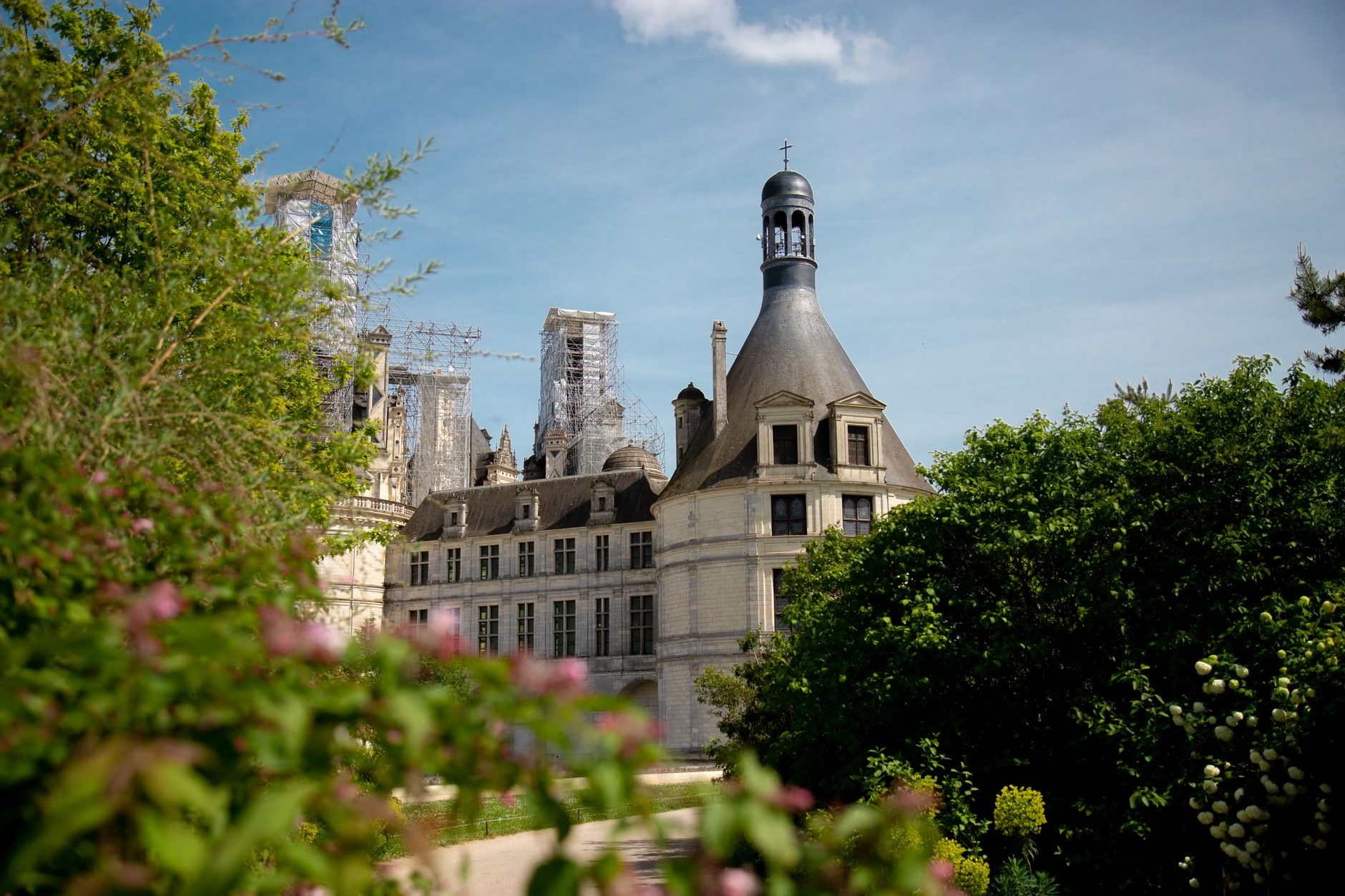
The magnificent gardens of the Château de Chambord, a jewel of French Renaissance architecture, stand as a testament to centuries of horticultural artistry and cultural heritage. These meticulously designed landscapes, integral to the château’s grandeur, are now confronting an unprecedented challenge: the escalating impacts of global climate change. Across the globe, historic gardens are grappling with shifting environmental conditions, from more frequent extreme weather events to altered seasonal patterns. For a site like Chambord, preserving the authenticity and splendor of its gardens while adapting to these new realities necessitates a profound re-evaluation of traditional maintenance and design philosophies. This imperative to rethink approaches to garden management is not merely a practical adjustment but a crucial step in safeguarding invaluable cultural and natural legacies for future generations.
The Legacy of Chambord’s Gardens
The gardens surrounding the Château de Chambord are a significant component of its UNESCO World Heritage status, reflecting distinct periods of landscape design and royal patronage. From formal French parterres to more naturalistic plantings, these green spaces have evolved over centuries, each iteration contributing to the site’s unique aesthetic and ecological value. Historically, garden design and maintenance were predicated on relatively stable climatic conditions, allowing for the cultivation of specific plant species and the implementation of particular irrigation and care regimes. The very essence of these historic landscapes lies in their ability to transport visitors through time, offering a glimpse into past horticultural ideals. However, the contemporary climate crisis introduces variables that challenge the long-term viability of these established practices, demanding innovative solutions that respect heritage while embracing ecological resilience.
Manifestations of Climate Change in Garden Management
The manifestations of climate change present multifaceted difficulties for the custodians of historic gardens. Warmer temperatures can extend growing seasons but also increase water demand and foster the proliferation of new pests and diseases. Altered precipitation patterns, including more intense rainfall events and prolonged droughts, directly impact soil health, plant vitality, and irrigation infrastructure. For instance, periods of severe heat stress can damage delicate plant species, while heavy downpours can lead to erosion and overwhelm drainage systems designed for different climatic norms. Such environmental shifts compel garden managers to confront difficult decisions regarding plant selection, water conservation, and pest management, often requiring a departure from historically accurate but climatically vulnerable species or methods. The cumulative effect of these changes threatens the very character and sustainability of these irreplaceable landscapes.
Strategic Rethinking: Adapting for Resilience
In response to these pressing environmental shifts, a strategic rethinking of garden management at sites like Chambord is becoming increasingly vital. This involves moving beyond reactive measures to proactive planning aimed at building long-term resilience. A core aspect of this adaptation strategy is a thorough assessment of existing plant collections, identifying species that are particularly vulnerable to projected climate scenarios. This might lead to the gradual introduction of more climate-resilient alternatives, carefully selected to maintain the aesthetic and historical integrity of the gardens. Furthermore, a renewed focus on soil health, through practices like composting and mulching, can enhance water retention and nutrient availability, making plants more robust in the face of environmental stress. The goal is to create a dynamic ecosystem that can absorb and recover from climatic shocks while preserving its essential historical narrative.
Embracing Sustainable Practices
The shift towards climate adaptation at historic sites like Chambord naturally aligns with broader principles of sustainable landscaping. This includes optimizing water usage through advanced irrigation systems, rainwater harvesting, and the selection of drought-tolerant plants. Reducing reliance on chemical pesticides and fertilizers, in favor of organic and integrated pest management approaches, not only benefits the environment but also enhances the overall health and biodiversity of the garden ecosystem. Sustainable practices also encompass energy efficiency in garden operations and responsible waste management. By integrating these methods, historic gardens can serve as living laboratories for ecological stewardship, demonstrating how cultural heritage can coexist with environmental responsibility. This holistic approach ensures that the beauty and integrity of the gardens are maintained through environmentally sound means.
The Role of Research and Innovation
Addressing the complex challenges posed by climate change requires a commitment to ongoing research and the adoption of innovative solutions. Collaborations with horticultural scientists, climate experts, and landscape architects are crucial for developing evidence-based strategies. This could involve experimenting with new plant varieties, researching traditional techniques that offer climate resilience, or employing advanced monitoring technologies to track environmental conditions and plant health in real-time. For instance, remote sensing and data analytics can provide valuable insights into water stress, disease outbreaks, and microclimatic variations within the gardens, enabling more precise and timely interventions. Sharing these findings and best practices with other heritage sites globally is also essential, fostering a collective effort to safeguard cultural landscapes in a changing world.
A Vision for Future Preservation
The adaptation efforts at Chambord, and similar historic sites, are not merely about survival but about envisioning a future where heritage and nature thrive in harmony. This vision entails a dynamic approach to preservation, one that acknowledges the evolving nature of ecosystems while respecting historical authenticity. It may involve reinterpreting certain garden areas to reflect future climate realities, perhaps introducing new design elements that are both aesthetically pleasing and ecologically functional. The aim is to ensure that these gardens continue to offer beauty, tranquility, and educational value, serving as vibrant spaces that connect past, present, and future. By embracing thoughtful adaptation, historic gardens can become powerful examples of human ingenuity and resilience in the face of global environmental challenges.
Conclusion: A Model for Heritage Sites
The journey of adapting Chambord’s historic gardens to the realities of climate change represents a significant undertaking, one that resonates with heritage sites worldwide. It underscores the urgent need for proactive strategies that blend historical preservation with ecological sustainability. By strategically rethinking traditional practices, embracing sustainable methods, and leveraging research and innovation, Chambord can not only safeguard its own unique landscape but also serve as a vital model for other cultural institutions facing similar environmental pressures. This adaptive approach ensures that the enduring legacy of these magnificent gardens will continue to inspire and educate, demonstrating that with foresight and dedication, our most cherished heritage can indeed flourish amidst a changing climate.





















Leave a Reply