


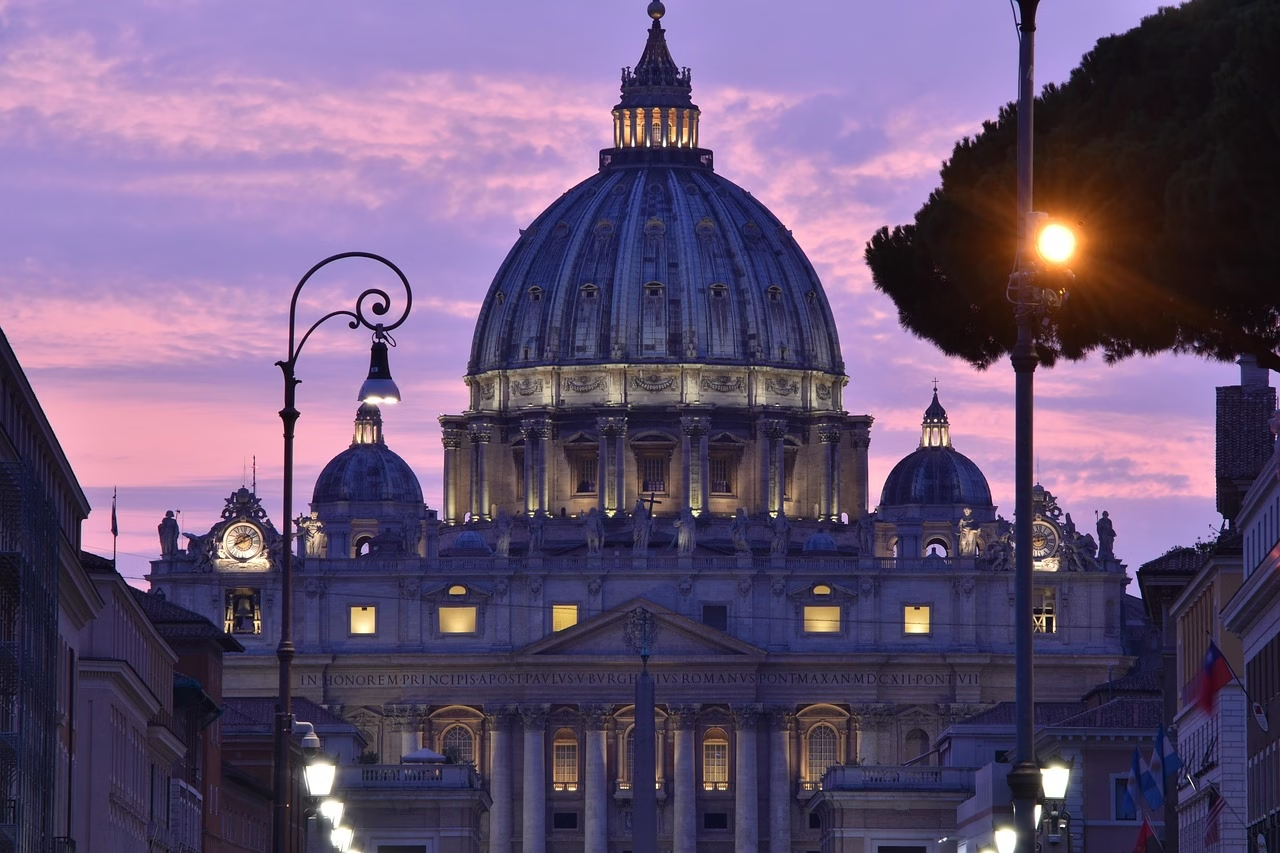
Members of Catalonia’s renowned castellers groups performed a series of intricate human towers in the Vatican’s Paul VI Hall this week, offering a unique cultural tribute to Pope Francis. The performance, which drew thousands of spectators, served as a symbolic bridge between Catalan tradition and the Roman Catholic Church, marking a significant moment of cross-cultural engagement in the heart of Rome.
The Tradition of the Castells
The tradition of building human towers, or castells, dates back to the 18th century in the region of Tarragona, Catalonia. These structures are recognized by UNESCO as a Masterpiece of the Oral and Intangible Heritage of Humanity, representing values of teamwork, courage, and perseverance.
Participants, known as castellers, climb onto each other’s shoulders to reach heights of up to ten levels. The process requires immense physical strength, technical precision, and absolute trust between members of all ages and backgrounds.
A Display of Cultural Unity
During the Vatican exhibition, various groups from across Catalonia demonstrated the complexity of these structures, including the formation of the pilar de quatre and the tres de set. The performance was meticulously planned to adhere to the strict safety protocols inherent to the sport, despite the challenging environment of the indoor papal audience hall.
For the performers, the event was more than a display of athleticism. It was an opportunity to showcase a core element of Catalan identity on a global stage. The Vatican’s invitation highlighted the Church’s ongoing interest in preserving and celebrating regional folk traditions that emphasize community spirit.
Expert Perspectives on Cultural Preservation
Sociologists studying the casteller movement note that the practice has evolved from a local festival activity into a sophisticated social movement. Dr. Elena Miquel, a researcher of Mediterranean heritage, suggests that the Vatican performance underscores the universal appeal of collective effort.
“The castells are not merely physical feats; they are a manifestation of the Catalan motto ‘Strength, Balance, Courage, and Sense,'” Miquel stated. “By performing at the Vatican, these groups demonstrate how traditional practices can adapt to modern, globalized contexts while maintaining their historical integrity.”
Data from the Coordinadora de Colles Castelleres de Catalunya indicates that participation in the activity has grown by nearly 20% over the last decade. This surge in interest is largely attributed to the sport’s inclusive nature, which encourages intergenerational participation, fostering a unique sense of belonging among diverse populations.
Implications for Global Cultural Diplomacy
The event signals a broader trend of cultural diplomacy, where regional groups leverage historic practices to gain international recognition and support. For the tourism and cultural sectors in Catalonia, the Vatican exhibition provides a significant boost to the visibility of regional traditions.
Observers should watch for how other traditional European folk practices utilize high-profile platforms to advocate for the protection of intangible heritage. As the castellers return to Spain, the focus will shift toward the upcoming summer festival season in Catalonia, where organizers expect record turnout and increased international attendance due to the heightened exposure from this Roman performance.















Leave a Reply