


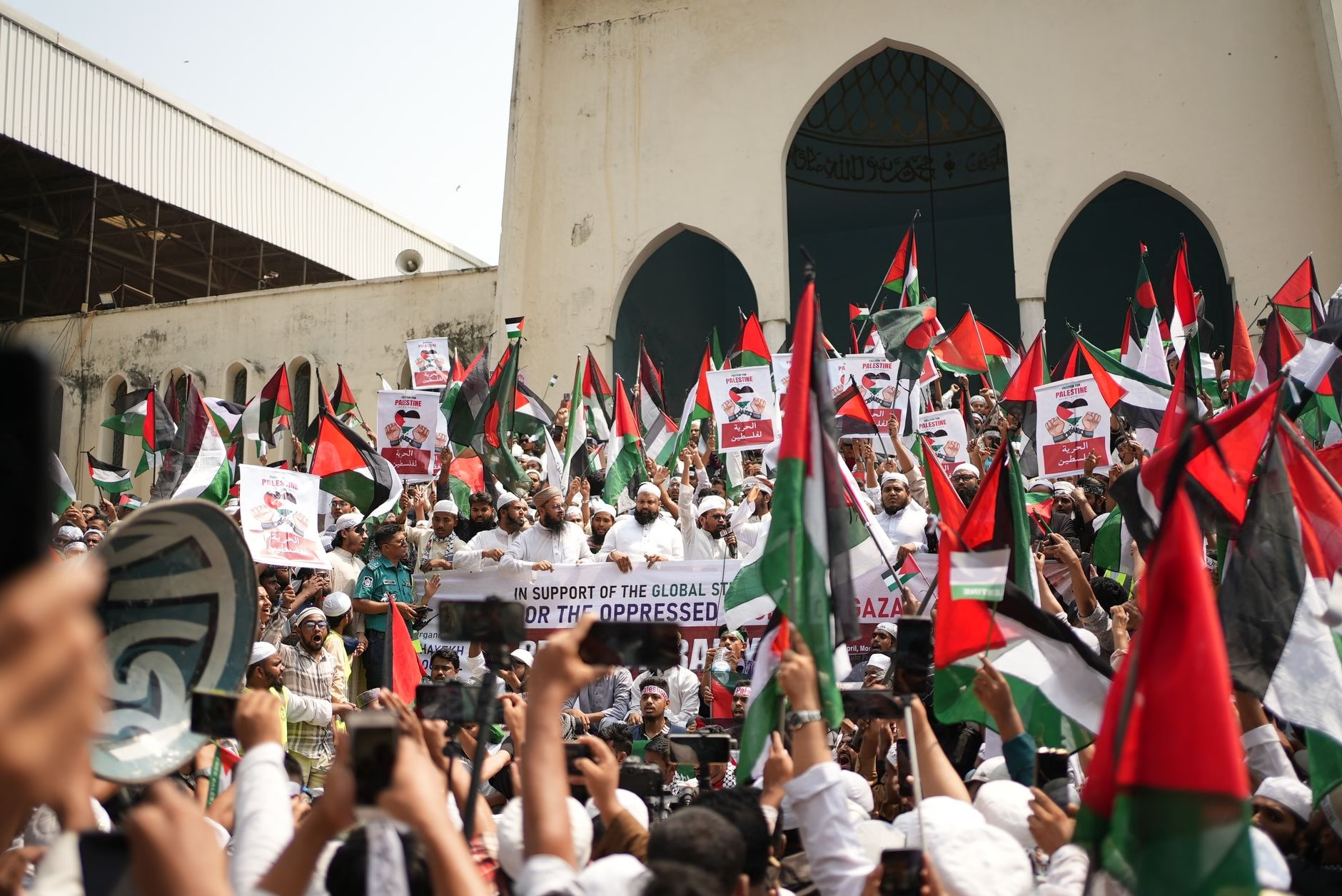
Navigating the Middle East After October 7
The landscape of international diplomacy shifted dramatically following the unprecedented October 7 attacks. Senior administration officials were forced to reevaluate long-standing foreign policy paradigms in real time. Decisions made during the immediate aftermath set the tone for a prolonged conflict that would test global alliances and regional stability.
Evaluating Draconian Measures and Policy Options
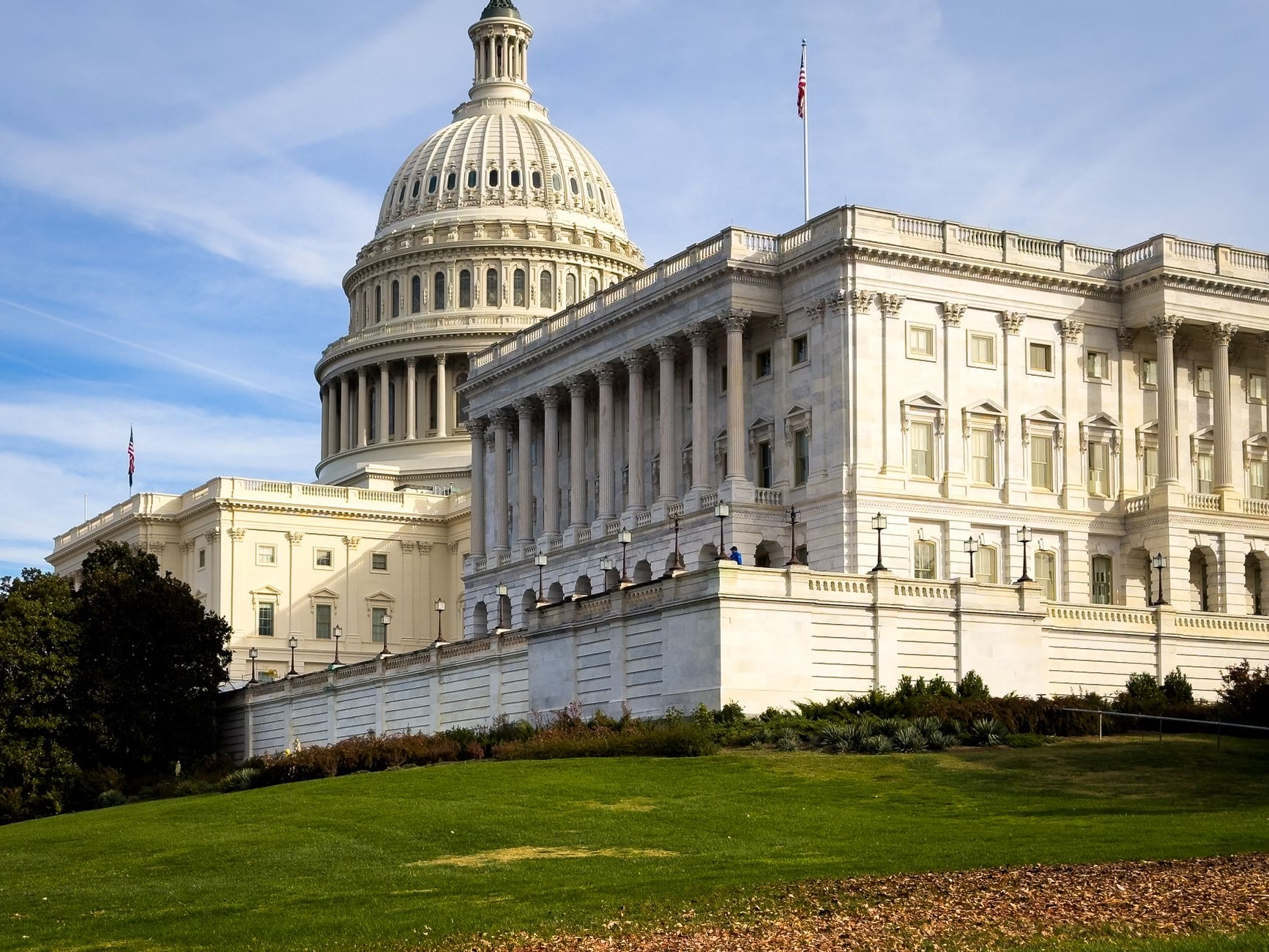
During high-level discussions, leaders deliberated over a range of severe policy responses. Officials weighed strict measures to influence strategic decisions in the region, reflecting the immense pressure on the administration to manage the escalating violence while maintaining core diplomatic partnerships.
Managing the Threat from Iran
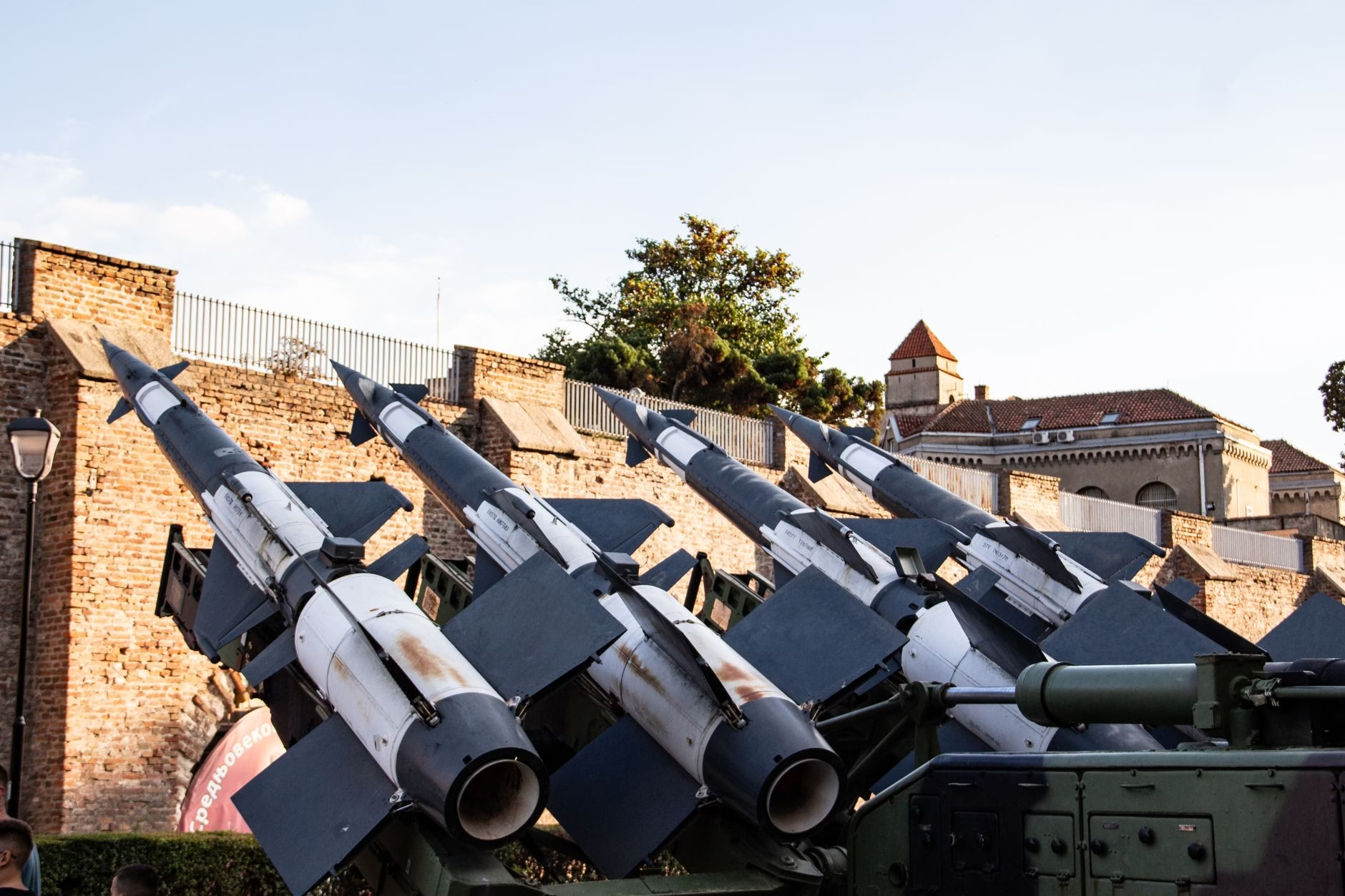
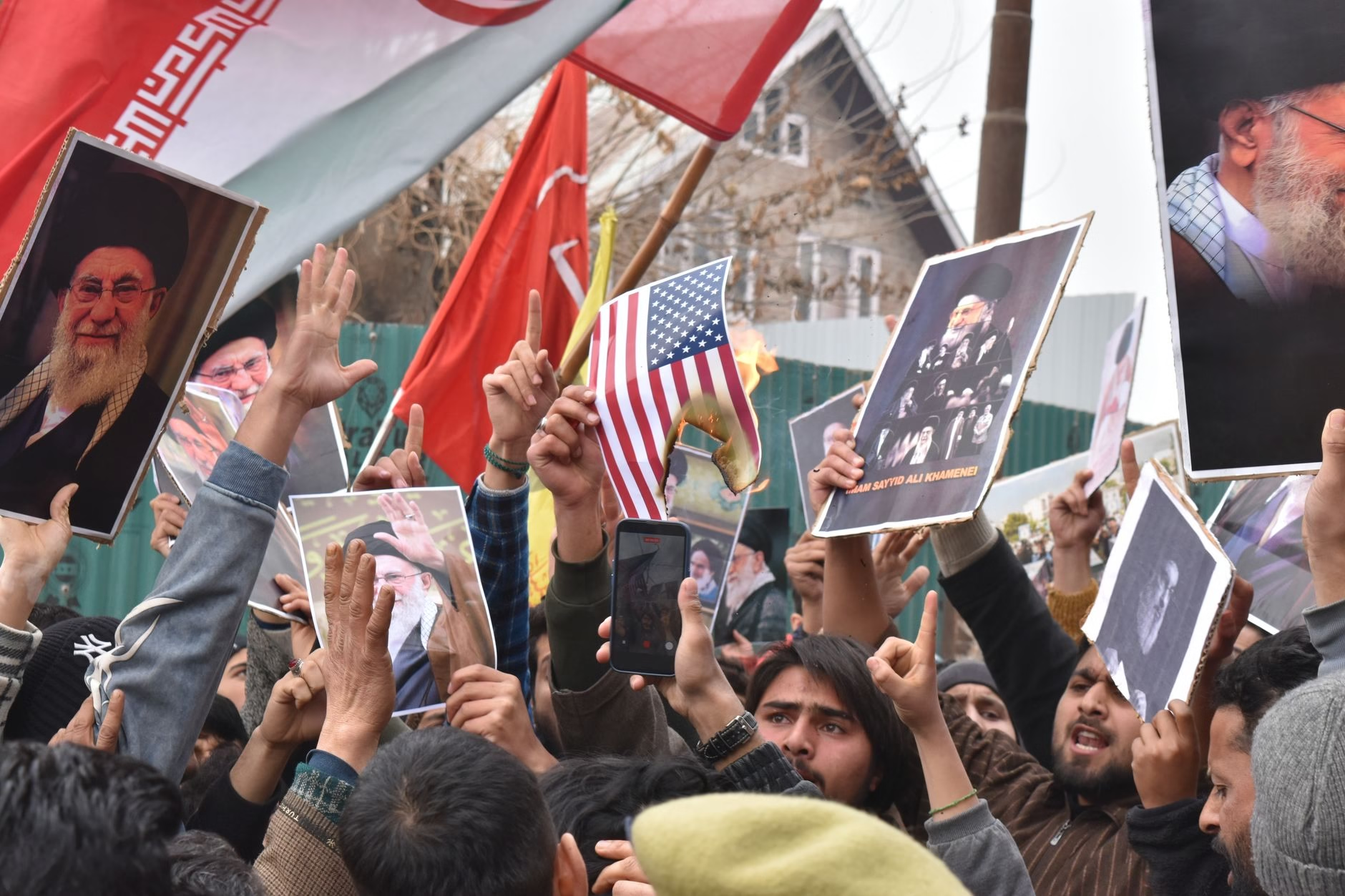
A central focus of the national security apparatus involved containing regional proxies and deterring wider escalation. Observers noted that regional containment required a delicate balance of military deterrence and diplomatic engagement to prevent a broader multi-front war.
Pursuing Regional Normalization
Despite the ongoing hostilities, diplomatic architects continued to lay groundwork for historic integration accords. The vision of formalizing ties between regional powers remained a primary long-term objective for American foreign policy planners, viewed as essential for enduring security and economic cooperation.
Reflections on Leadership and Diplomacy
Looking back at the turbulent period, key figures emphasized the complexity of crisis management. The interplay between immediate tactical responses and overarching strategic goals demonstrated the intricate nature of modern geopolitical conflict resolution.



















Leave a Reply