


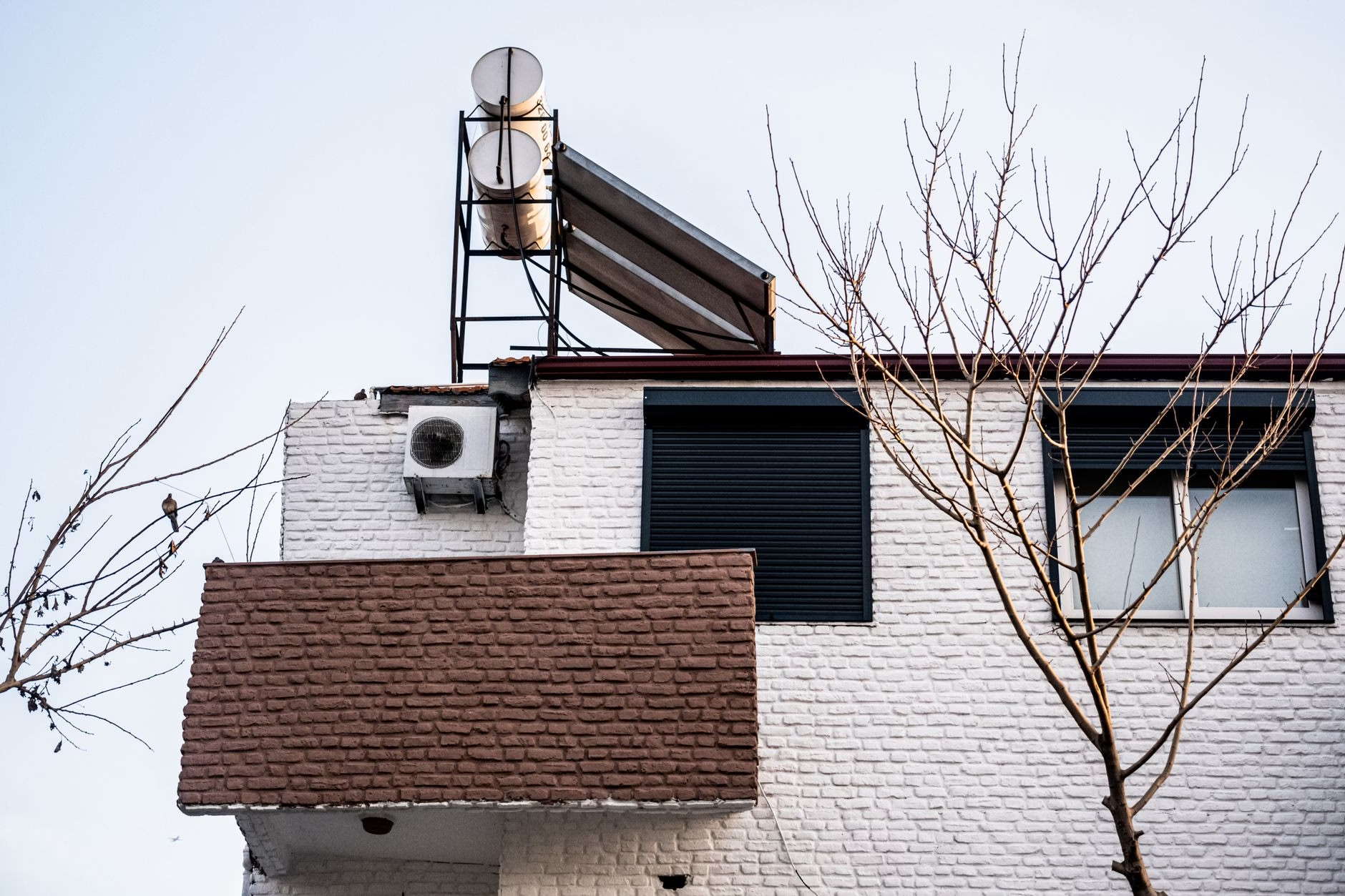
Australia has officially opened the door to a new era of renewable energy generation by introducing frameworks that support balcony solar systems. This innovative approach allows residents who live in apartments or rent their homes to participate in the green energy transition. Traditionally, solar power has been restricted to homeowners with large, unobstructed roof space. Now, compact photovoltaic setups are changing the landscape of urban sustainability.
Understanding Balcony Solar Systems
Balcony solar systems are miniature photovoltaic installations designed specifically for small spaces such as apartment balconies, patios, and terraces. Unlike traditional rooftop arrays that require professional scaffolding and complex wiring, these plug-and-play units are remarkably straightforward. A standard setup typically consists of one or two lightweight solar panels, a microinverter, and a standard electrical cable that plugs directly into a standard household wall outlet.
This design removes major barriers to entry for urban populations. Residents no longer need approval from complex strata committees for massive structural modifications. They can simply mount the compact panels on their balcony railings, connect the inverter, and begin feeding solar electricity directly into their home grid.
Overcoming Regulatory and Safety Hurdles
The introduction of balcony solar in Australia required careful consideration of electrical safety, grid stability, and building regulations. Energy authorities and safety regulators worked collaboratively to establish clear guidelines that ensure these plug-in systems do not overload domestic circuits or pose safety risks to electrical workers.
Experts emphasize that while the hardware is simple, adherence to certified standards is crucial. Regulators have approved specific microinverter technologies that automatically shut off if they detect a loss of grid power, preventing any accidental backfeeding that could endanger utility technicians working on neighborhood power lines.
Financial Benefits for Renters and Apartment Dwellers
For years, renters and high-density apartment dwellers have watched from the sidelines while homeowners reaped the financial rewards of rooftop solar. Balcony solar finally bridges this equity gap in the renewable energy market.
While these small systems generate less electricity than large rooftop arrays, they can still offset a meaningful portion of a household daily baseline energy consumption. By powering refrigerators, internet routers, and standby appliances during daylight hours, users can noticeably reduce their monthly electricity bills. Furthermore, because the units are portable, renters can easily pack up their solar setup and take it with them when moving to a new property.
Environmental Impact in Urban Centers
Cities consume the vast majority of electricity, yet urban rooftops and building facades remain vastly underutilized for renewable generation. By tapping into the micro-generation potential of balconies, cities can significantly increase their decentralized clean energy output.
Even a modest adoption rate across major metropolitan areas like Sydney, Melbourne, and Brisbane could displace substantial amounts of fossil-fuel-generated electricity. This collective shift helps lower carbon emissions and eases the strain on centralized power grids during peak demand periods.
Looking Ahead at the Future of Urban Solar
As manufacturing costs decline and efficiency improves, balcony solar is poised to become a mainstream fixture of modern urban living. Industry stakeholders expect hardware manufacturers to introduce more aesthetically pleasing and flexible designs that blend seamlessly with apartment architecture.
Australia is currently setting a precedent for other nations grappling with the challenge of urban renewable integration. By making clean energy accessible to everyone regardless of their housing situation, the country is proving that the green transition can be both inclusive and technologically innovative.






















Leave a Reply