


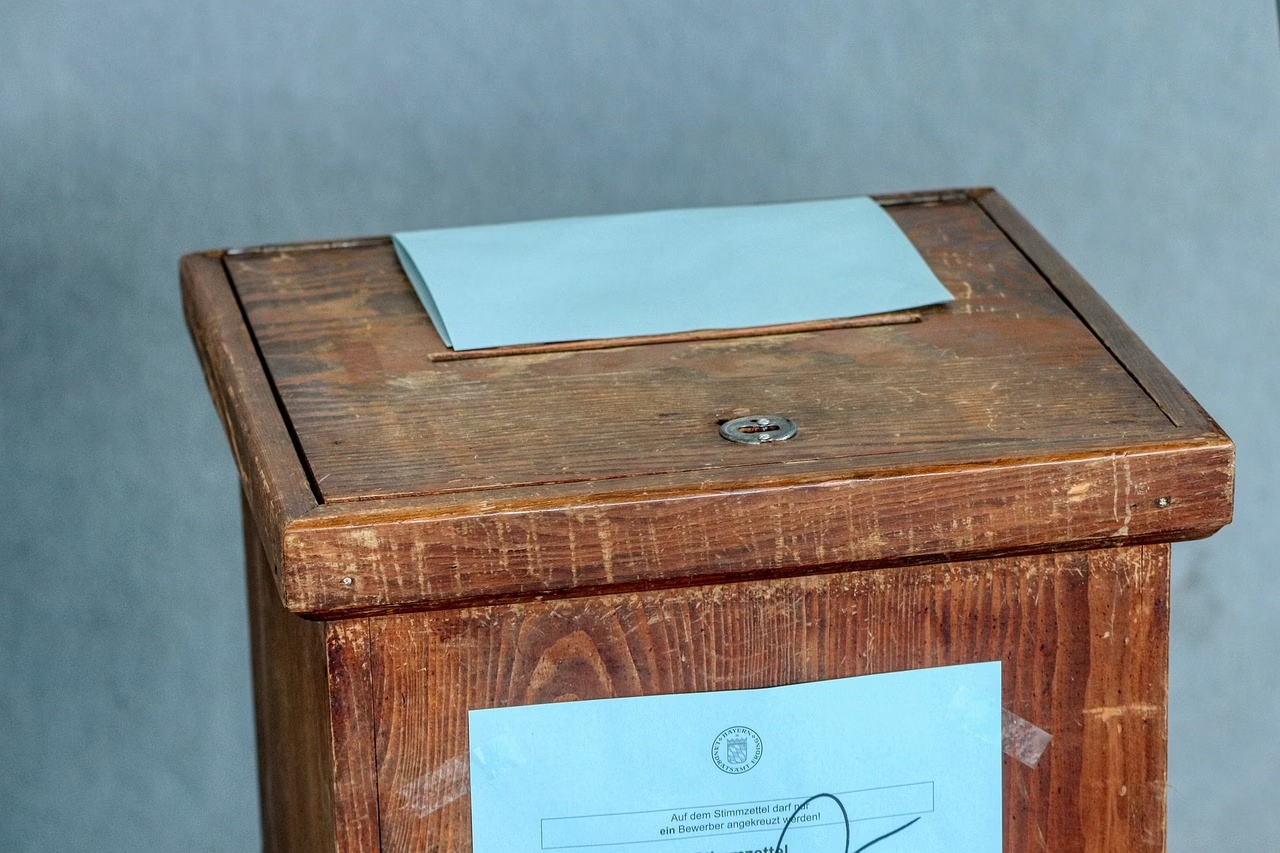
A high-ranking Alaska elections official has moved to disqualify a U.S. Senate candidate from the upcoming August primary, citing concerns over voter confusion regarding the candidate’s identical name and party affiliation to incumbent Republican Senator Dan Sullivan. The Division of Elections notified the candidate, who legally changed his name to Dan Sullivan, that his filing may be rejected to protect the integrity of the ballot.
The Context of Ballot Integrity
In Alaska, the Division of Elections holds the authority to ensure that ballot information is clear and minimizes the risk of misleading voters. The current controversy stems from a candidate who filed paperwork under the name Dan Sullivan, a move that critics argue is intended to siphon votes from the two-term incumbent. Election law experts note that while name changes are legal, they become subject to administrative review when they directly interfere with the clear identification of candidates in high-stakes partisan races.
The Mechanics of Voter Confusion
The primary concern for election officials is the potential for voter disenfranchisement caused by identical candidate names. When two candidates appear on the ballot with the exact same name and party designation, the risk of accidental voting increases significantly, potentially skewing the outcome of the primary contest.
State statutes generally allow for ballot access as long as eligibility requirements are met, but they also grant officials discretion to prevent fraudulent or deceptive practices. The candidate in question has maintained that his name change was a personal decision, yet the timing of the transition has drawn scrutiny from the state’s Republican leadership.
Expert Perspectives and Legal Precedent
Election law analysts suggest that this case could set a significant precedent for how states handle “spoiler” candidates who utilize name-matching tactics. Similar cases in other states have historically resulted in legal battles over the limits of free speech versus the state’s interest in fair elections.
According to data from the National Conference of State Legislatures, ballot access laws vary widely, but most jurisdictions provide mechanisms to challenge candidate filings that could be deemed deceptive. If the Division of Elections proceeds with the disqualification, it will likely prompt a swift legal challenge in the state court system, pitting the candidate’s right to run for office against the state’s mandate to maintain electoral order.
Future Implications for Alaska Politics
This development highlights a growing tension within Alaska’s electoral landscape, where ranked-choice voting and open primaries have already shifted the dynamics of political campaigning. Observers should monitor the upcoming court filings, as a ruling could define the boundaries of candidate identification for future election cycles.
If the disqualification is upheld, it may signal a more aggressive stance by the state against deceptive filing practices. Conversely, if the candidate is permitted to remain on the ballot, voters will face a unique, perhaps unprecedented, challenge in distinguishing between two Dan Sullivans, likely forcing the incumbent to invest heavily in public awareness campaigns to ensure his supporters cast their votes correctly.






















Leave a Reply