


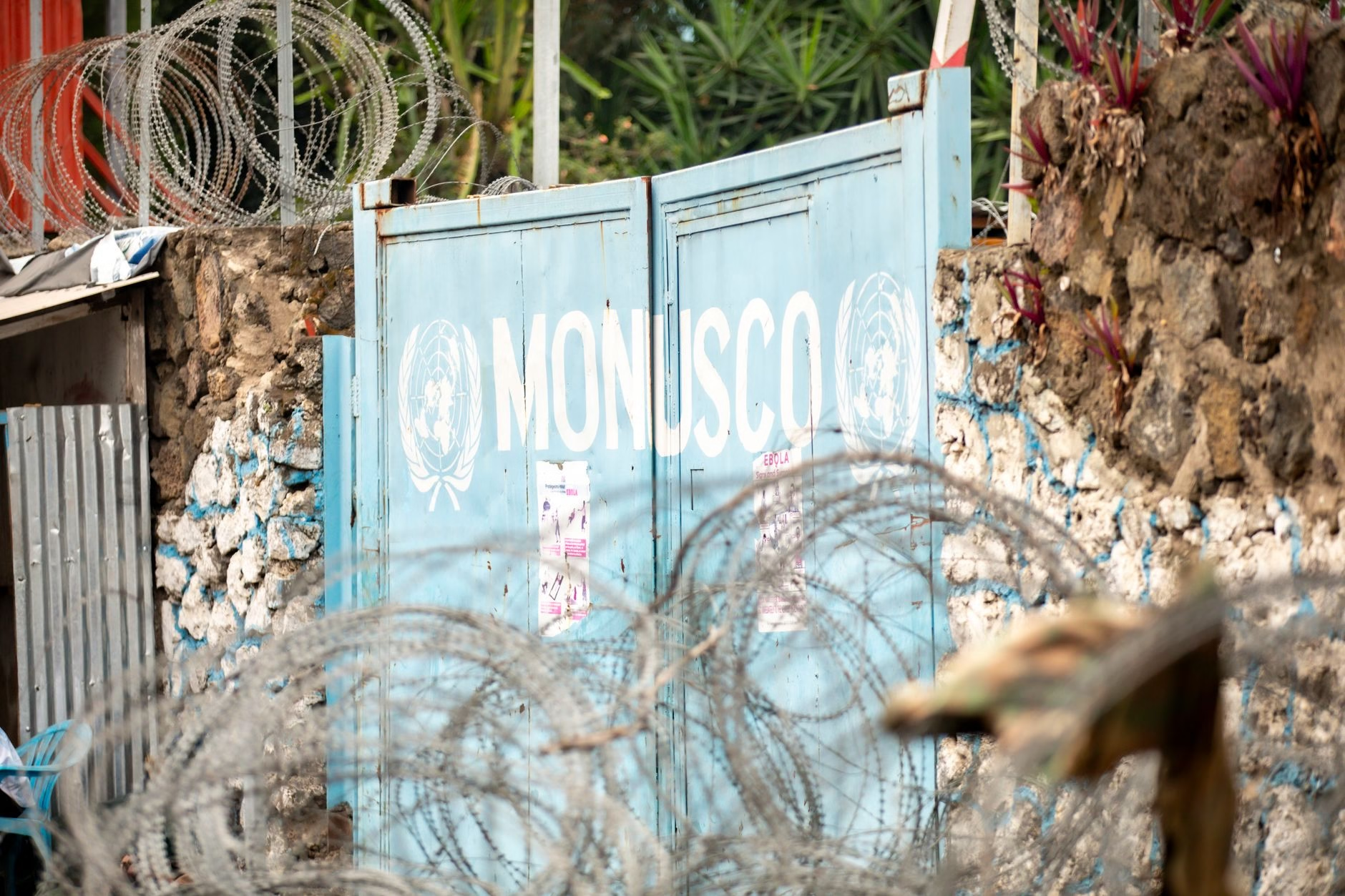
The Quest for Global Representation
During the recent sessions of the United Nations General Assembly, prominent heads of state and diplomats from across the African continent united to voice a critical demand. They called for an immediate and comprehensive overhaul of the United Nations Security Council. At the heart of their advocacy is the urgent necessity to grant African nations permanent representation on the powerful body.
Historical Inequities in Global Governance
For decades, the architectural framework of the United Nations Security Council has remained largely unchanged since its post-World War II inception. Critics and world leaders alike have pointed out that this structure fails to reflect modern geopolitical realities. Africa, home to over a billion people and numerous sovereign states, currently holds no permanent seats with veto power. Leaders argue that this exclusion marginalizes the voices of the continent in matters of international peace and security.
Arguments for Structural Reform
Delegates addressing the assembly emphasized that sustainable global governance requires inclusive participation. Decisions made by the Security Council frequently impact African nations directly, particularly concerning peacekeeping missions, regional conflicts, and economic sanctions. Proponents of reform assert that having permanent African representation would inject vital perspectives into high-level deliberations and enhance the legitimacy of the Council’s resolutions.
Path Forward and Diplomatic Momentum
The push for reform has gained significant diplomatic momentum in recent years, drawing support from various international allies who recognize the equity of the African position. However, altering the UN Charter requires complex negotiations and consensus among current permanent members. As the discussions continue, African leaders remain resolute in their pursuit of a permanent seat at the table of power, signaling that the debate over global representation will remain a central theme in international diplomacy.


















Leave a Reply