


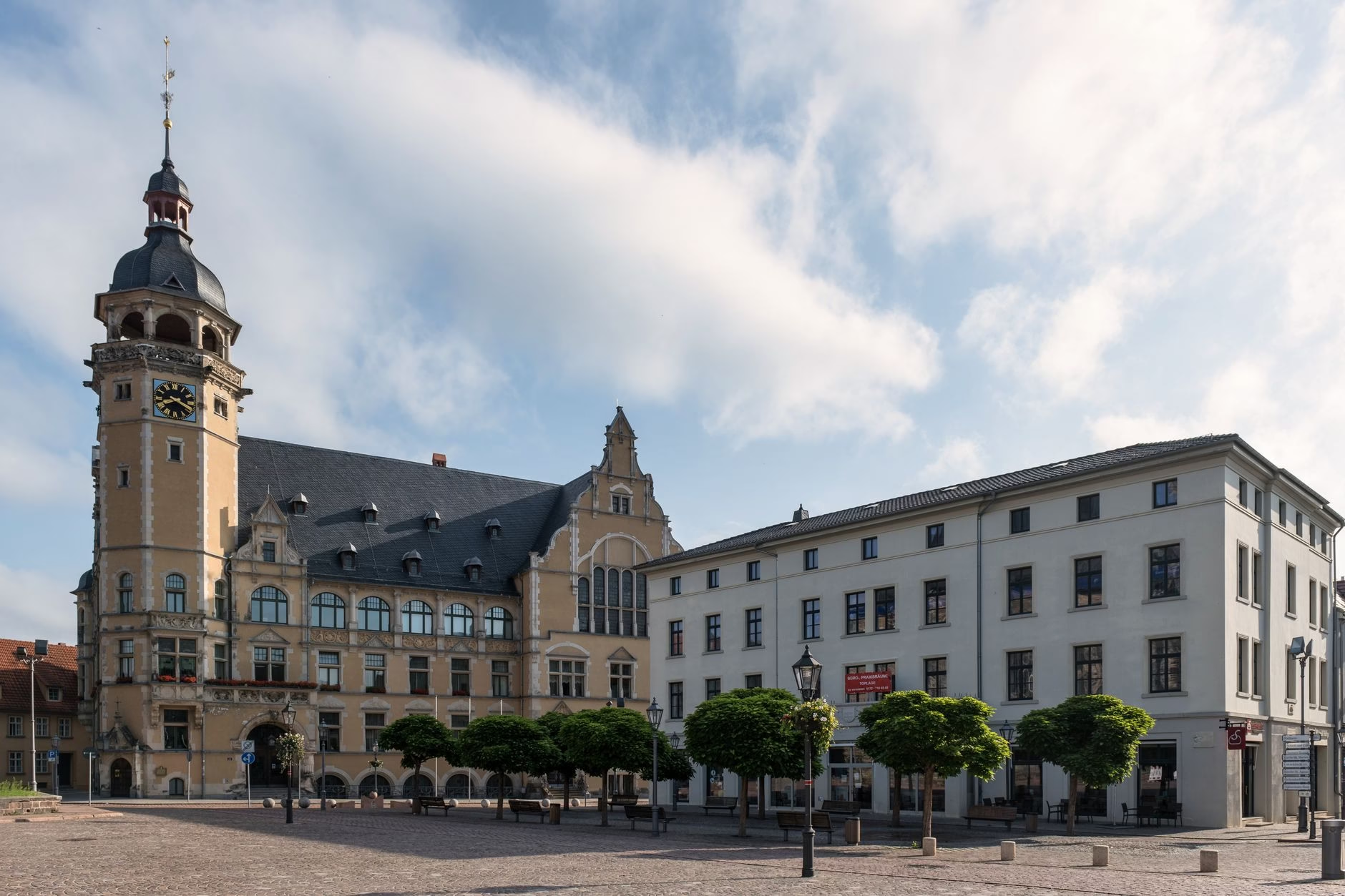
Political Landscape Shifts in Germany
The political landscape in Germany continues to experience significant transformations as regional dynamics shift. Recent electoral outcomes have brought the Alternative for Germany party back into the spotlight. Party leaders have articulated strong positions regarding their future role in regional administration.
Electoral Success and Voter Sentiment
Election results in various regional districts have consistently demonstrated a rise in support for alternative political movements. Voters have expressed increasing dissatisfaction with traditional parties and established governance models. This growing momentum has empowered party leadership to demand a more prominent role in legislative and executive branches.
Weidel Statement on Governance
Co-leader Alice Weidel publicly addressed the recent electoral outcomes, emphasizing that the results grant her party a distinct authority to participate in or lead the regional administration. According to her statements, ignoring the electoral weight of the party would run contrary to democratic representation.
Challenges and Coalition Realities
Despite the assertive stance on forming a government, the practical realization of these political ambitions faces substantial hurdles. Traditional mainstream parties have maintained strict barriers against cooperating with the movement, citing fundamental differences in policy and political ideology.
Implications for National Politics
Developments at the regional level often serve as a precursor to national political trends. The ongoing debates surrounding government formation in Saxony-Anhalt highlight the deep divisions within the country’s electorate. As discussions continue, the outcome will likely influence political strategies across the broader federal republic.

















Leave a Reply