


Political Dynamics in Germany
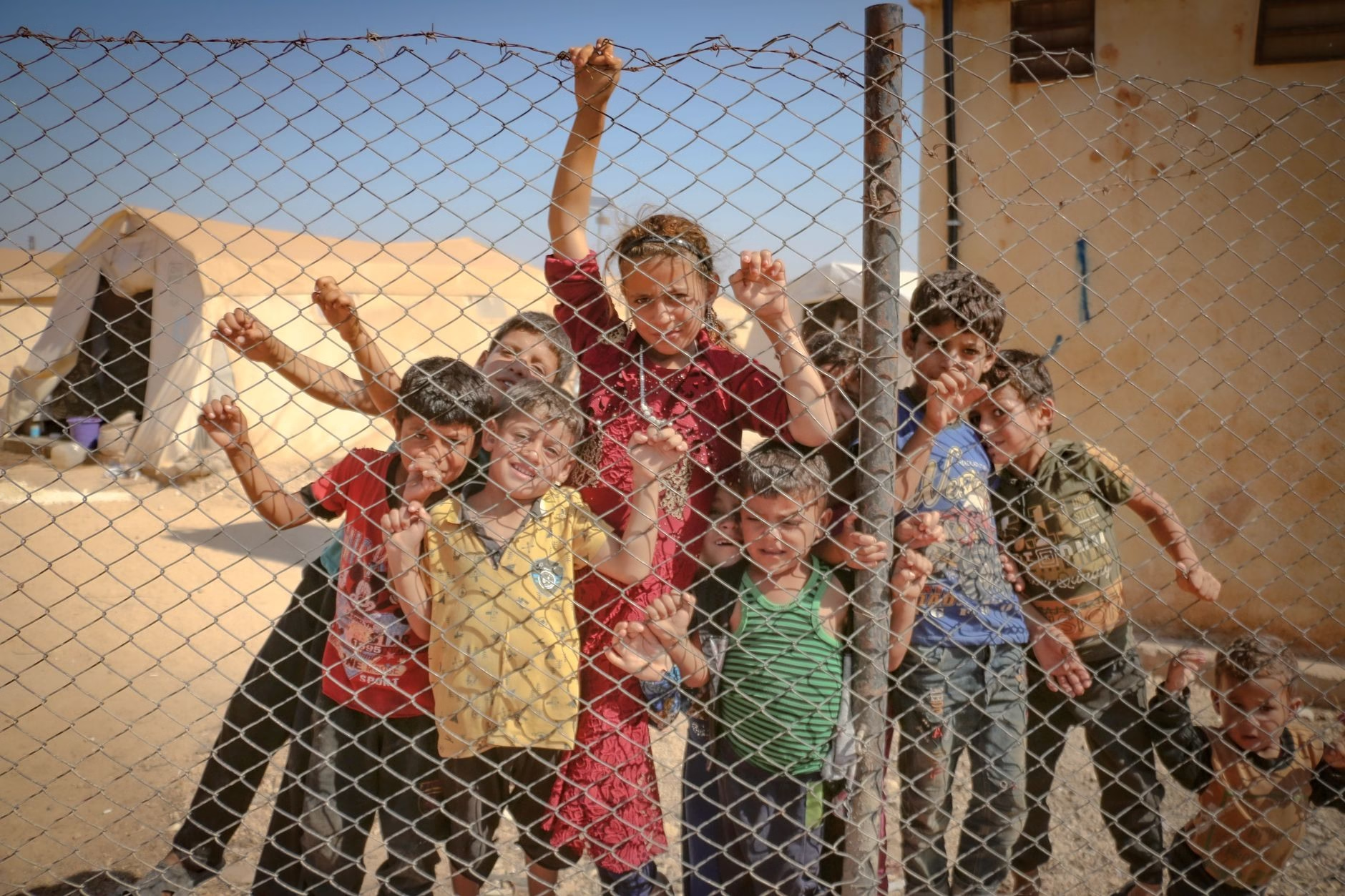
Recent developments in German politics have brought immigration and labor policy back to the forefront of national discourse. Following a notable performance in a regional state election, the Alternative for Germany party has introduced a controversial policy proposal. The organization is now advocating for mandatory employment obligations for individuals seeking asylum within the country.
Understanding the Policy Proposal
The core of the newly announced initiative involves requiring asylum seekers to engage in compulsory work programs. Proponents of this measure argue that such a system would encourage integration and contribute to local communities. The policy framework aims to address broader public debates surrounding resource allocation, social welfare systems, and the integration of foreign nationals into the domestic labor market.
Implications for the Asylum Process
Critics and supporters alike are evaluating how mandatory work requirements might alter the existing asylum procedure in Germany. Supporters suggest that active employment could speed up social adaptation and provide meaningful structure for individuals awaiting the final status of their applications. Conversely, human rights advocates and opposing political factions have raised concerns regarding legal hurdles, administrative feasibility, and the potential impact on fundamental rights.
Broader Political Reactions
The proposal emerges in the wake of shifting voter sentiments captured during the recent regional ballot. As right-wing and populist movements gain traction across various European regions, immigration policies continue to be a primary battleground for political parties. Mainstream political entities are under increasing pressure to address public concerns related to border management and integration, leading to intense debates in legislative assemblies.
Looking Ahead
As the political landscape in Germany evolves, the debate over compulsory labor for asylum seekers is expected to remain a central theme. Policymakers will likely face ongoing challenges in balancing humanitarian obligations with domestic political demands. The discussion highlights the complexities of modern migration management and the deep divisions among political stakeholders regarding the future of integration policy.



















Leave a Reply