


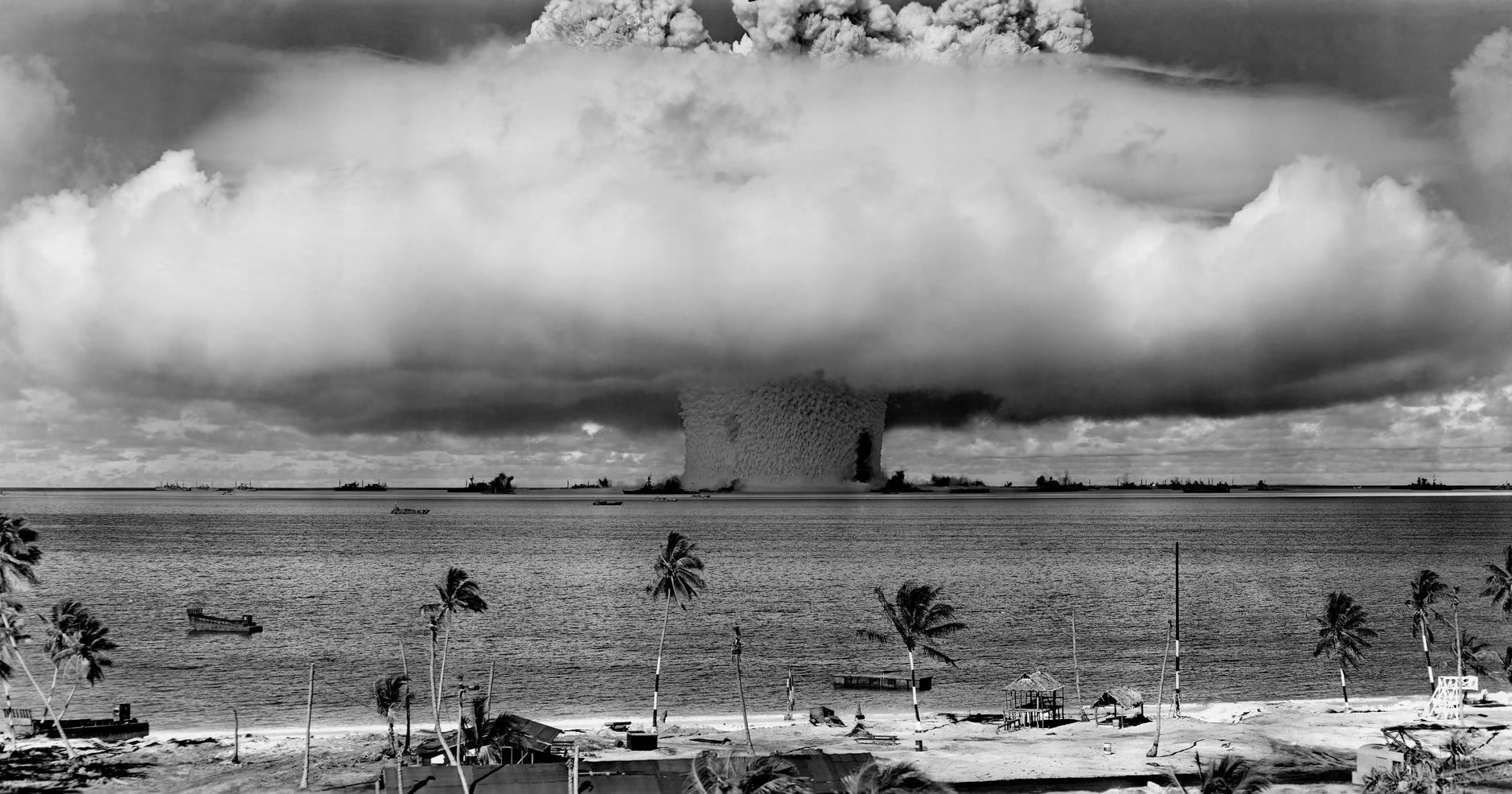
Urban Preparedness in the Modern Era
Recent academic and strategic research conducted within defense circles has brought renewed attention to the realities of modern geopolitical risks. A notable study authored by military researchers in China has put forward explicit recommendations for urban centers. The core message of the analysis centers on the necessity of civil defense readiness, specifically addressing the low-probability yet high-impact scenario of a localized strategic strike.
Understanding the Scope of the Assessment
The research paper, which has circulated among defense analysts, emphasizes that contemporary metropolitan areas must evaluate their structural resilience. As global tensions shift and military capabilities evolve, strategic planners are revisiting legacy defense concepts. While global deterrence frameworks remain active, the study argues that municipal authorities should not entirely discount worst-case contingencies.
Key Recommendations for Urban Resilience
The findings outline several crucial areas where local infrastructure and emergency protocols require enhancement. Among the primary recommendations are the improvement of underground shelter networks, the refinement of rapid evacuation procedures, and the upgrading of public communication systems designed to function during severe disruptions. These measures aim to mitigate potential devastation and ensure continuity of basic services following a major catastrophe.
Civil Defense and Public Awareness
Beyond physical infrastructure, the study highlights the importance of psychological readiness and public education. Historically, civil defense programs involved regular drills and community awareness campaigns. The modern iteration suggests integrating disaster preparedness into everyday urban management, ensuring that citizens understand response protocols without inciting unwarranted panic.
Implications for Global Strategic Planning
Although the analysis originates from a specific national context, its implications resonate within broader international defense discussions. Governments worldwide constantly reassess their vulnerability to unconventional threats. By publicizing the need for localized readiness, the research reflects a growing acknowledgment that strategic stability requires comprehensive preparation at every level of society, from national command structures down to individual municipalities.





















Leave a Reply