


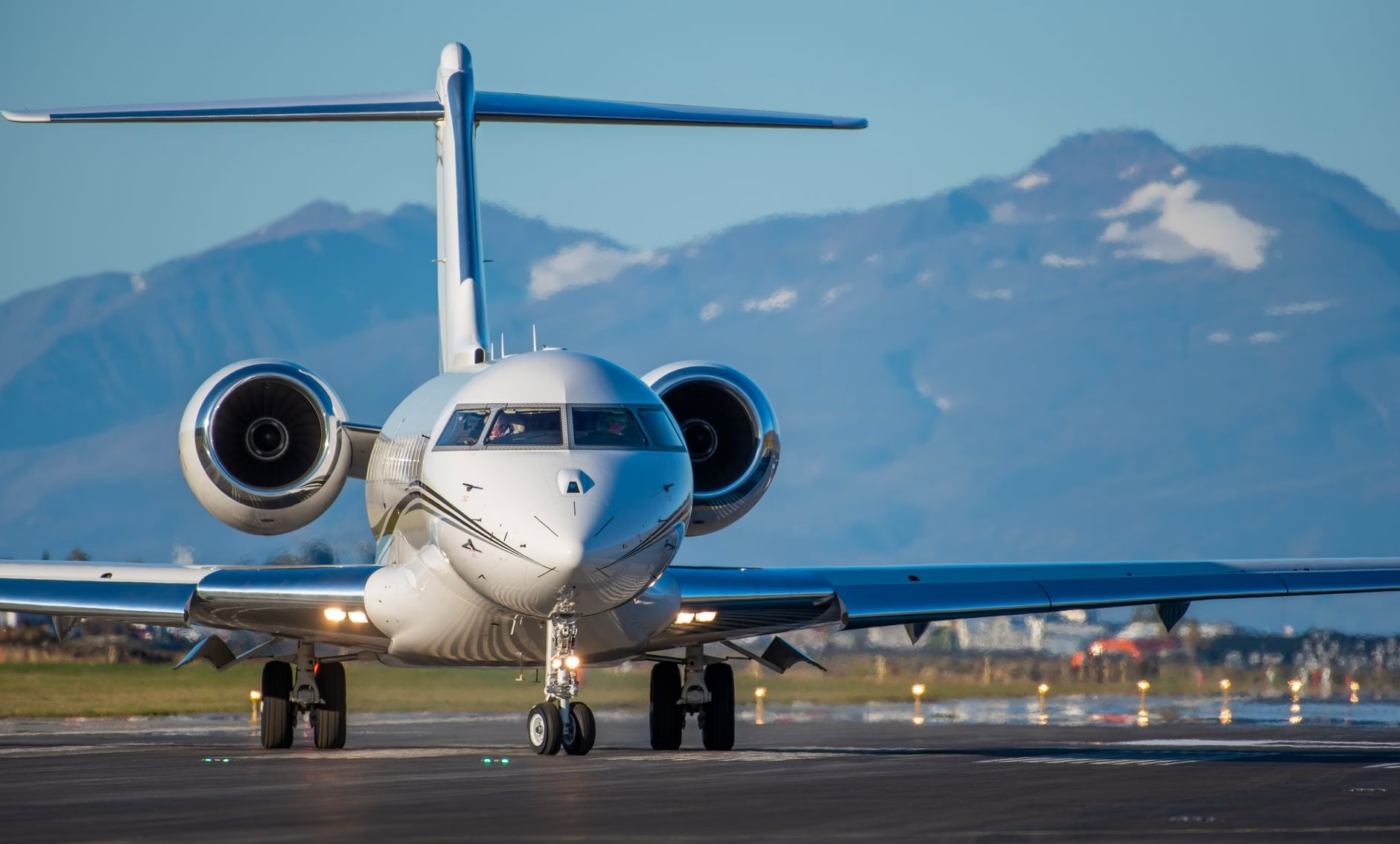
President Donald Trump has issued a direct warning to Canadian aerospace company Bombardier, stating that the sale of its aircraft within the United States could face a total ban unless the company establishes domestic manufacturing operations. This development places significant pressure on the major jetmaker, which already maintains an extensive operational footprint across various states in America.
The Ultimatum Issued By The White House
The trade dispute centers around the production location of commercial aircraft sold to American buyers. By demanding that foreign manufacturers construct their fleets on domestic soil, the administration aims to protect and expand local aerospace jobs. Bombardier now faces a critical business decision regarding its future access to one of the largest aviation markets in the world.
Understanding The American Footprint
Despite being headquartered in Canada, Bombardier is not a stranger to the United States economy. The company relies on a vast network of American suppliers, engineering facilities, and service centers that employ thousands of workers nationwide. Component parts flow across the border regularly, integrating the supply chains of both nations in a complex industrial relationship.
Economic Implications For The Aerospace Sector
Implementing a sales ban on foreign-built aircraft could disrupt airlines and regional carriers that depend on specific models for their fleet operations. At the same time, domestic suppliers currently tied to Bombardier worry about the potential fallout if trade tensions escalate. Industry analysts are closely monitoring how the Canadian manufacturer responds to this ultimatum and whether a compromise can be reached through diplomatic or corporate negotiations.
Future Outlook For Cross-Border Trade
As the situation develops, the broader implications for international trade agreements remain uncertain. The demand for domestic production highlights a growing trend toward protectionist policies within the American manufacturing sector. How Bombardier navigates these political demands will likely set a precedent for other international corporations operating within the United States market.




















Leave a Reply