


The Demographic Impact of the Conflict
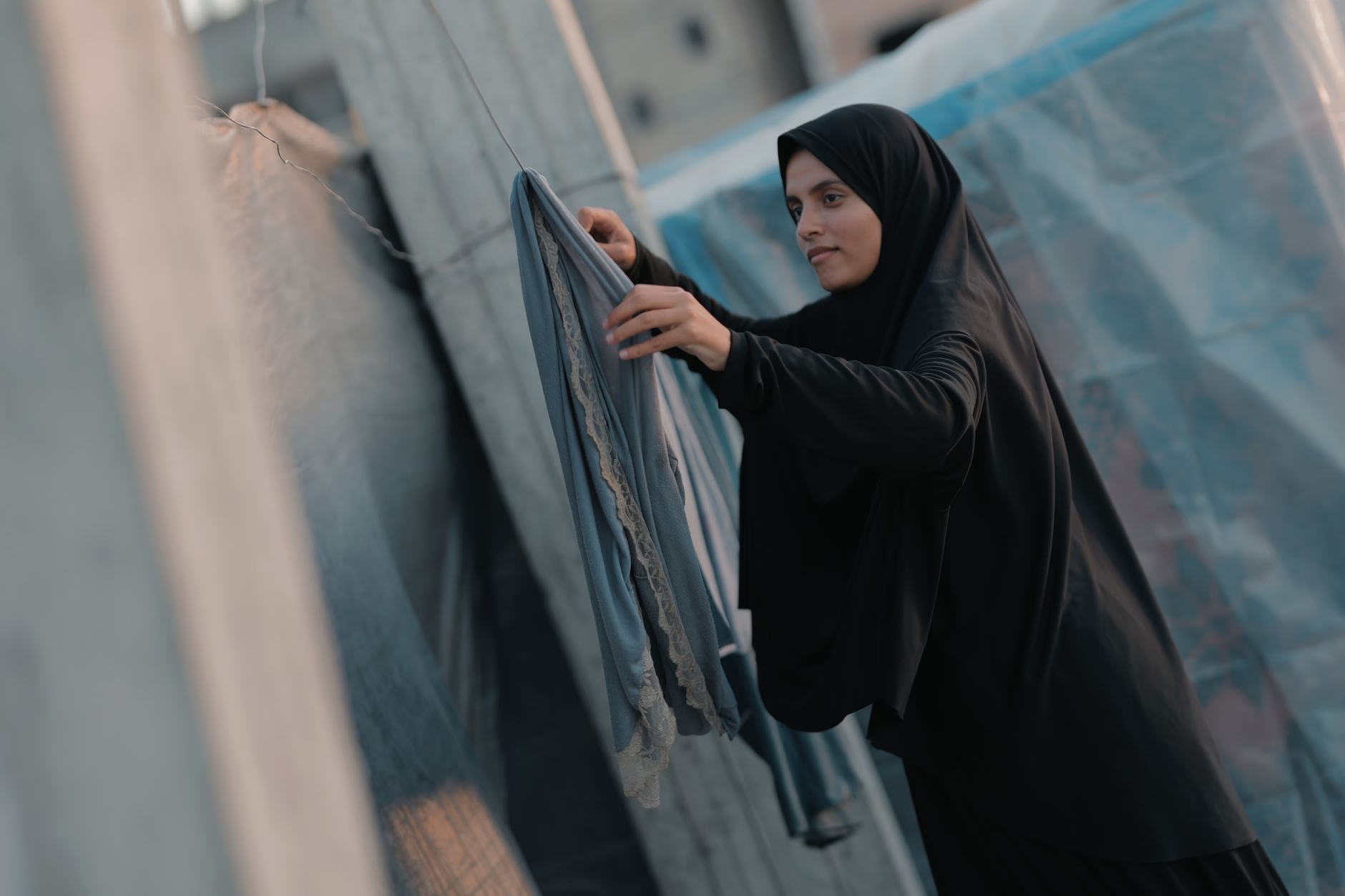
The ongoing conflict in Gaza has brought about profound demographic shifts, most notably within family structures. Recent findings from United Nations agencies indicate that the proportion of households headed by women has doubled since the outbreak of hostilities. This drastic transformation underscores the heavy toll the war continues to exact on the civilian population, particularly on women who are now forced to shoulder the sole responsibility of family survival.
Displacement and Loss of Providers
The dramatic increase in female-headed households is largely attributed to widespread casualties and mass displacement. As husbands, fathers, and adult sons have been killed, injured, or separated from their families, women find themselves at the helm of fragmented households. Living in crowded shelters, makeshift tents, or severely damaged buildings, these women must navigate daily existence without traditional support systems.
Overwhelming Humanitarian Challenges
Managing a household under current conditions presents unprecedented difficulties. Access to basic necessities such as clean water, nourishing food, and adequate shelter has become severely restricted. Female leaders of households frequently report immense struggles in securing humanitarian aid, waiting in long lines while simultaneously managing the care of young children and elderly relatives under constant threat.
Economic Vulnerability and Livelihoods
Before the escalation of hostilities, formal female labor force participation was already low, leaving many women economically dependent on male relatives. The destruction of local markets and private enterprises has obliterated virtually all income-generating opportunities. Without financial resources, female heads of households face extreme destitution, relying almost entirely on irregular aid distributions to sustain their dependents.
Psychological and Emotional Strain
Beyond physical survival, the psychological burden carried by these women is immense. Chronic stress, grief over lost family members, and the constant fear for the safety of surviving children take a heavy mental toll. Many women express deep anxiety regarding their inability to provide a secure environment or education for their offspring, compounding the trauma of living through a prolonged crisis.
Urgent Calls for Targeted Support
Humanitarian organizations emphasize the critical need for specialized assistance directed toward women-led families. Addressing these vulnerabilities requires targeted aid distribution, psychological support services, and economic empowerment programs designed to help women regain a measure of stability. Without dedicated interventions, the long-term socio-economic consequences for these families and the broader community will remain severe.
















Leave a Reply