


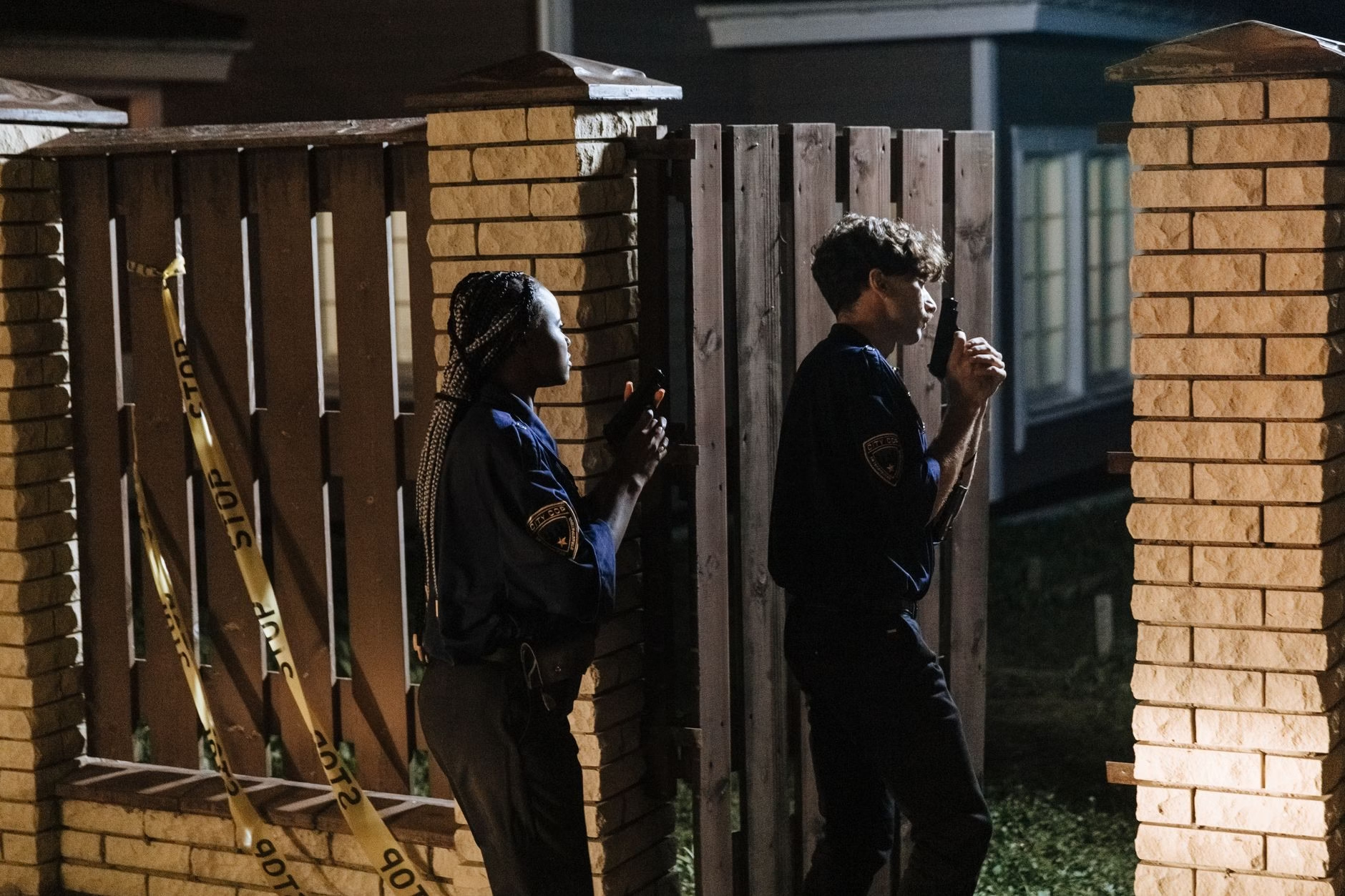
An investigation has commenced following the fatal shooting of a 22-year-old college student by police in Pennsylvania. The incident has drawn immediate attention, particularly due to statements from the student’s father, who asserts that his son was killed after inadvertently entering the wrong residence. This tragic event underscores the critical importance of thorough and impartial review processes in cases involving law enforcement’s use of deadly force.
The Reported Circumstances
According to the student’s father, the distressing sequence of events began when the young man, a college student, mistakenly approached and entered a house that was not his own. While the precise details leading up to the confrontation with law enforcement remain subject to official inquiry, the father’s account suggests a profound misunderstanding at the heart of the incident. Such a scenario highlights the potential for tragic outcomes when individuals find themselves in unfamiliar or unexpected situations, especially during late hours or in moments of confusion.
The Nature of the Investigation
In the aftermath of any police-involved fatality, a comprehensive investigation is standard procedure. This particular inquiry in Pennsylvania will meticulously examine all available evidence to establish a clear timeline of events and determine the circumstances that led to the student’s death. Investigators typically gather forensic evidence from the scene, review any available surveillance footage, collect statements from officers involved, and interview potential witnesses. The objective is to reconstruct the incident with absolute accuracy, ensuring all relevant facts are brought to light.
Seeking Transparency and Accountability
The integrity of such investigations is paramount for maintaining public trust in law enforcement and the justice system. Families of victims, as well as the wider community, often seek not only answers but also assurance that due process is followed and that accountability will be upheld. Independent oversight, where applicable, plays a crucial role in ensuring that the investigation is conducted without bias and that its findings are credible. The findings of this Pennsylvania investigation will be critical in addressing these concerns.
Impact on Family and Community
The death of a young college student under these circumstances sends shockwaves far beyond the immediate scene. For the student’s family, the loss is immeasurable, compounded by the unanswered questions surrounding the incident. They are left grappling with profound grief and an urgent need for clarity regarding what transpired. Simultaneously, the community may experience heightened anxiety and a desire for reassurance regarding public safety protocols and police conduct. Such events can strain the relationship between law enforcement and the communities they serve, emphasizing the need for transparent communication throughout the investigative process.
Broader Societal Considerations
Incidents like this one often ignite broader discussions about police training, de-escalation techniques, and the appropriate use of force. Questions may arise concerning how law enforcement officers are trained to respond to situations involving individuals who may be disoriented, confused, or have inadvertently trespassed. The emphasis on minimizing lethal encounters, particularly in circumstances where there might be alternatives, becomes a central point of public discourse. This ongoing investigation in Pennsylvania will inevitably contribute to these wider conversations about best practices in policing.
Legal and Ethical Frameworks
Every police-involved shooting is evaluated against established legal and ethical frameworks governing the use of force. These frameworks typically stipulate that force must be reasonable and necessary given the perceived threat. Investigators will assess whether the actions taken by officers were consistent with departmental policies, state laws, and constitutional standards. Understanding these parameters is essential for the public to comprehend the complexities involved in such critical incidents and the standards against which law enforcement actions are judged.
Moving Forward: Awaiting Findings
As the investigation progresses, all parties involved, including the student’s family, law enforcement agencies, and the public, await the official findings. The process can be lengthy, reflecting the detailed and sensitive nature of the inquiry. It is imperative that the investigation is allowed to run its full course, free from speculation, to ensure that a complete and accurate picture emerges. The outcome will not only provide answers regarding this specific tragedy but may also inform future policies and training within law enforcement to prevent similar incidents.
The tragic death of the 22-year-old college student in Pennsylvania, following his father’s account of him going to the wrong house, remains a focal point of intense scrutiny. The ongoing investigation is tasked with uncovering the full truth behind this devastating event, a truth that is vital for the grieving family, the involved officers, and the broader community seeking understanding and justice.



















Leave a Reply