


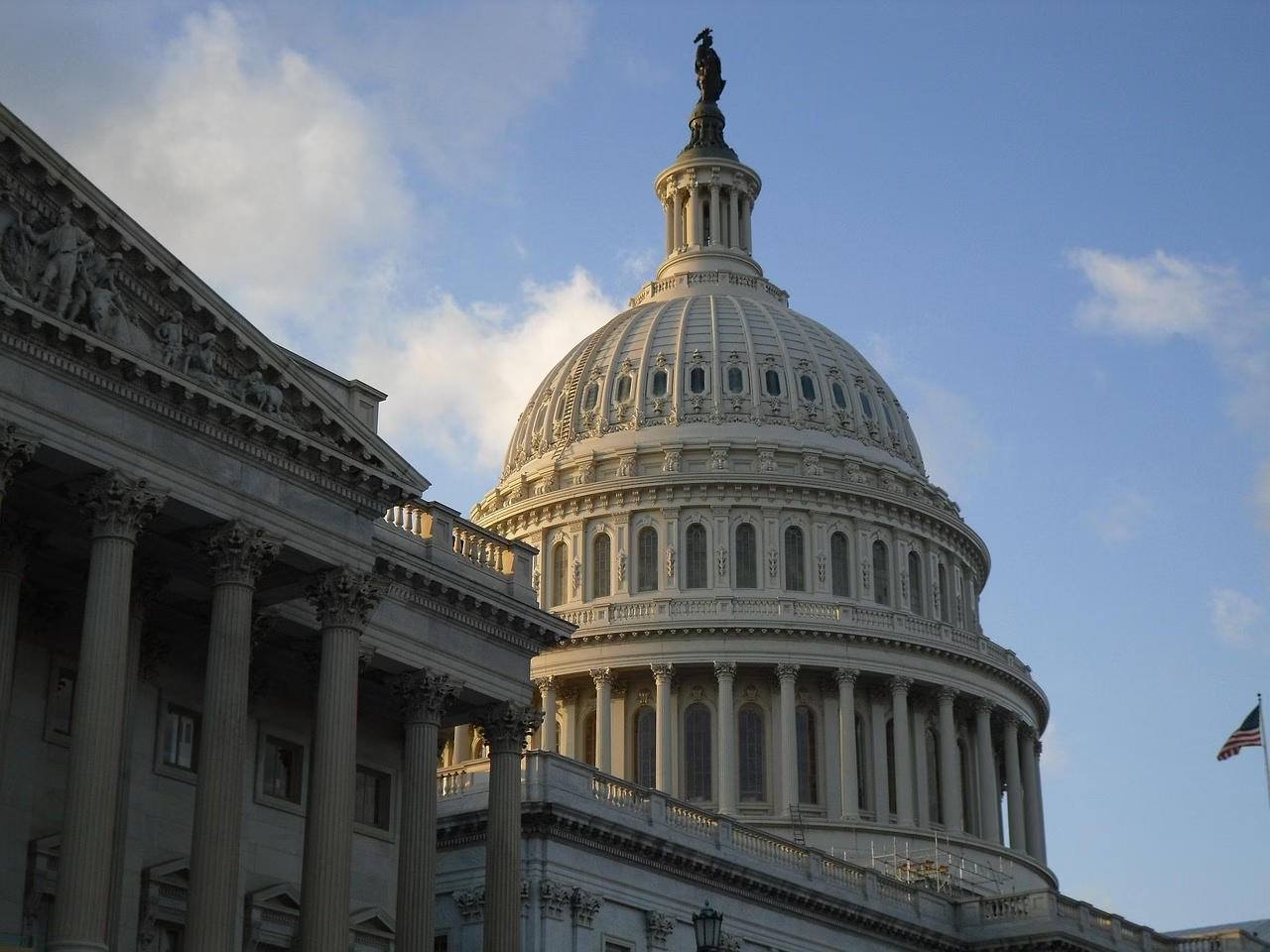
A high-stakes lobbying war is escalating in Washington, D.C., as prediction markets and traditional gambling giants dramatically increase their spending in 2026 to shape the future of federally regulated event wagering. Financial tech startups like Kalshi, alongside major casino operators and sports betting platforms, are pouring millions into congressional lobbying to influence pending regulatory frameworks governing bets on elections, economic indicators, and cultural events.
The Rise of Event Contracts and Regulatory Friction
The current lobbying surge follows years of legal and regulatory battles between prediction platforms and federal overseers. Prediction markets allow users to buy and sell contracts based on the outcomes of real-world events, ranging from Federal Reserve interest rate decisions to political race results.
While proponents frame these platforms as valuable hedging tools and sentiment aggregators, regulators have historically viewed them with skepticism. The Commodity Futures Trading Commission (CFTC) previously sought to block election-related markets, citing public interest concerns and a statutory ban on gaming.
However, a landmark federal court ruling in late 2024 cleared the way for Kalshi to offer congressional election contracts. This legal precedent shifted the battlefield from federal courtrooms to the halls of Congress, where lawmakers are now drafting legislation to permanently define the boundaries of these financial instruments.
Advocates Seek Federal Safeguards and Market Expansion
Lobbying disclosure reports filed in the first half of 2026 reveal a significant uptick in spending by Kalshi and its coalition partners. These firms are urging Congress to establish a clear, supportive regulatory framework under the CFTC rather than leaving the industry in legal limbo.
Supporters argue that prediction markets provide unprecedented data accuracy and hedging opportunities for businesses. By formalizing these markets under federal commodities laws, proponents hope to attract institutional investors who require strict regulatory clarity before committing capital.
Advocates also point out that prediction markets often prove more accurate than traditional polling. By allowing participants to back their predictions with capital, these platforms eliminate hypothetical bias, offering policymakers a clearer picture of public expectations on critical economic and social issues.
Traditional Gaming Giants Demand Regulatory Parity
On the other side of the legislative aisle, the American Gaming Association (AGA) and major online sports betting operators have mobilized their own lobbying forces. These established entities argue that prediction markets operate in a regulatory gray area that bypasses the strict state-level taxation and consumer protection laws imposed on traditional sportsbooks.
Opponents also raise ethical concerns regarding the integrity of democratic processes. They argue that allowing massive, unregulated pools of capital to bet on political outcomes could incentivize election manipulation and voter disinformation.
State regulators are also joining the opposition, expressing concern over their potential loss of oversight and tax revenue. Because traditional sports betting is licensed on a state-by-state basis, local authorities fear that federal oversight of event contracts will strip them of their ability to protect local consumers and collect vital tax funding.
Lobbying Expenditures Reach Record Highs in 2026
Public records indicate that federal lobbying expenditures related to “event contracts” and “financial derivatives” have increased by over 45% compared to the same period in 2025. Kalshi has expanded its lobbying roster to include several high-profile former congressional staffers and financial regulators.
Concurrently, political action committees associated with major sports betting apps have increased their contributions to key members of the House Financial Services and Senate Agriculture Committees. These committees hold primary jurisdiction over the CFTC and financial market regulations.
The financial stakes are immense, as the total trading volume on prediction markets is projected to surpass $10 billion by the end of 2026, driven by high interest in the upcoming midterm elections.
What to Watch as Congress Deliberates
The outcome of this lobbying blitz will have profound implications for both the financial technology sector and the broader gaming industry. If prediction markets successfully secure a favorable federal framework, it could pave the way for mainstream financial institutions to offer event-based derivatives to retail clients.
Conversely, if opponents successfully pressure Congress to restrict election betting or impose state-level gaming regulations on these platforms, the growth of the prediction market industry could stall.
Observers should closely monitor the progress of the upcoming Financial Markets Modernization Bill, which is expected to debate the legal definition of “gaming” versus “hedging.” The legislative language finalized in the coming months will ultimately determine whether Wall Street or Las Vegas wins control over the lucrative future of event wagering.



















Leave a Reply