


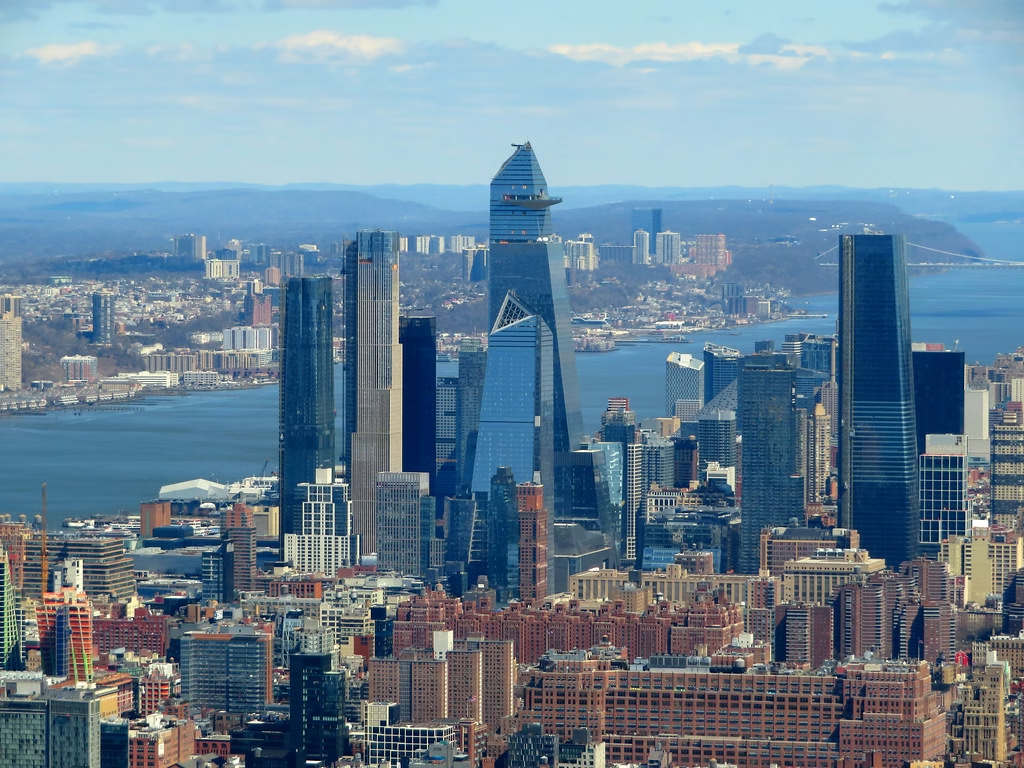
Structural Crisis in Midtown
Emergency crews and structural engineers remained on the scene in Manhattan early Wednesday morning, continuing intensive stabilization efforts on a high-rise apartment building currently under construction after several support columns buckled, causing multiple floors to sag. The incident, which began late Tuesday, prompted immediate evacuation orders for residents and employees in surrounding buildings and forced the total closure of adjacent city streets to mitigate the risk of a potential collapse.
Context and Initial Reports
The site, located in a densely populated section of Manhattan, had been undergoing significant structural framing when workers reported sounds of shifting steel and visible movement in the primary support columns. New York City Department of Buildings officials arrived shortly thereafter, confirming that the structural integrity of the project had been compromised.
Construction in New York City is governed by strict building codes that require rigorous inspections at every phase of development. However, major structural failures during the assembly phase remain a rare but high-stakes occurrence that triggers automatic emergency protocols from the city’s fire and emergency management departments.
Engineering Challenges and Stabilization
Engineers are currently utilizing heavy-duty steel shoring and hydraulic jacks to redistribute the weight of the sagging floors. The primary objective is to prevent further movement while workers assess whether the damaged sections can be repaired or if a controlled demolition of the affected area is required.
According to data from the Occupational Safety and Health Administration (OSHA), structural collapses during construction are most often linked to unforeseen site conditions or deviations from approved engineering plans. While the cause of this specific failure is under investigation, experts suggest that the complexity of high-rise builds in tight urban corridors adds significant pressure to load-bearing members.
Structural engineering consultant Marcus Thorne noted that the primary danger in these scenarios is the ‘progressive collapse’ phenomenon, where the failure of one critical member causes a chain reaction throughout the frame. By securing the perimeter and implementing emergency shoring, the city aims to isolate the damage to the construction site itself.
Broader Industry Implications
For the construction industry, this event serves as a stark reminder of the volatility inherent in large-scale urban development. Developers and contractors are expected to face intensified scrutiny regarding their safety protocols and quality control measures in the coming weeks.
The disruption to local infrastructure highlights the fragility of city logistics, as the closure of major thoroughfares ripples through the morning commute and local business operations. Insurance premiums for high-rise projects in urban centers may also face upward pressure as underwriters reevaluate the risks associated with modern, high-density construction techniques.
Future Outlook
As the investigation proceeds, the Department of Buildings will likely issue new directives regarding the monitoring of support columns in mid-construction projects. Residents and commuters in the area should expect continued traffic diversions and a heavy emergency presence until the site is declared stable. Future updates will focus on whether the project’s original blueprints contained errors or if site-specific environmental factors contributed to the structural instability.





















Leave a Reply