


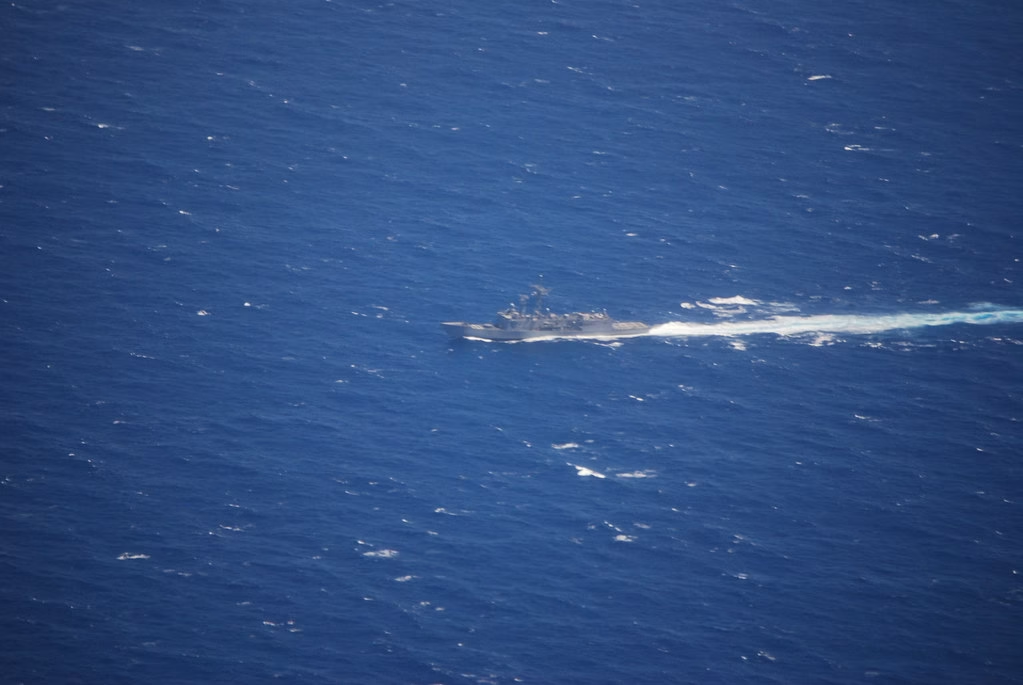
The United States government officially revoked a general license on Tuesday that previously permitted specific exemptions for the sale of Iranian oil, a move triggered by a series of recent, aggressive strikes reported in the strategic Strait of Hormuz. This sudden policy shift marks a significant escalation in U.S.-Iran relations, effectively reinstating a broader blockade on Iranian energy exports in response to threats against international maritime security.
Context and Historical Tensions
The Strait of Hormuz serves as one of the world’s most critical maritime chokepoints, through which approximately one-fifth of the global oil supply travels daily. For decades, this narrow waterway has been a flashpoint for geopolitical friction between Tehran and Washington.
The U.S. has maintained a comprehensive sanctions regime against Iran’s energy sector since withdrawing from the Joint Comprehensive Plan of Action (JCPOA) in 2018. While limited licenses had occasionally allowed for specific transactions, the current administration’s decision reflects a hardening stance following reported attacks on commercial vessels in the region.
Impact on Global Energy Markets
The decision to pull the general license is expected to create immediate volatility in global oil markets. Analysts suggest that the removal of these legal channels forces buyers to choose between violating U.S. sanctions or seeking alternative, potentially more expensive, energy sources.
Energy market data indicates that Brent crude prices reacted with immediate upward pressure following the announcement. Traders are closely monitoring the potential for a reduction in global supply, particularly as Iran has historically utilized “ghost fleets” to bypass sanctions and sustain its export levels despite international pressure.
Strategic Implications for Maritime Security
Security experts argue that the U.S. action is as much about signaling a commitment to freedom of navigation as it is about economic pressure. The Pentagon has emphasized that the strikes in the Strait of Hormuz threaten the stability of the global supply chain, prompting a heightened naval presence in the region.
Dr. Elena Vance, a senior fellow at the Center for Maritime Security, noted that the revocation serves as a diplomatic tool to compel Tehran to cease its harassment of merchant shipping. “The U.S. is essentially leveraging its economic power to provide a buffer for commercial vessels that have become increasingly vulnerable to regional conflict,” Vance stated.
Future Outlook and Escalation Risks
Industry observers are now watching for how Iran will respond to the loss of this economic lifeline. There is significant concern that an intensified sanctions regime could lead to further retaliatory measures, potentially including more frequent disruptions to tanker traffic or a shift in Iran’s nuclear posture.
Looking ahead, the primary focus remains on the stability of oil prices and the diplomatic efforts of regional allies to de-escalate tensions. Analysts warn that if the Strait remains a contested zone, insurance premiums for commercial shippers will likely skyrocket, further impacting the cost of goods globally. The international community will be closely watching for any signs of a secondary, covert black market emergence as Iran attempts to offset the loss of formal revenue channels.























Leave a Reply