


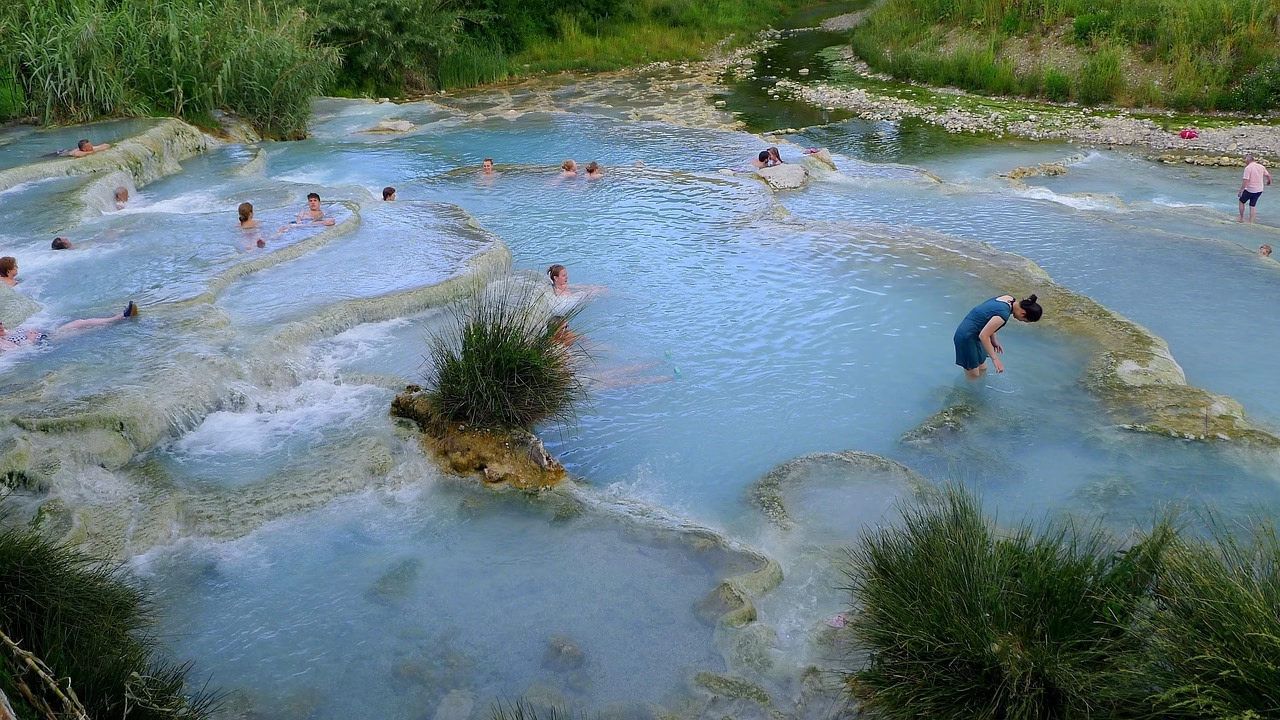
Italy is currently witnessing a significant resurgence in thermal tourism as travelers increasingly prioritize wellness-based travel across the country’s historic hot spring regions. From the rugged landscapes of Tuscany to the volcanic shores of Ischia, international and domestic visitors are flocking to these natural spas to seek therapeutic benefits and scenic retreats throughout 2024.
The Historical Context of Italian Thermalism
Thermal bathing in Italy dates back to the Roman Empire, when legions utilized natural springs for physical recovery and social gathering. For centuries, these mineral-rich waters—often heated by geothermal activity—have been integrated into the Italian lifestyle, forming the backbone of the nation’s contemporary spa industry.
Diverse Destinations Driving the Trend
The trend is not limited to a single region, but rather spans the entire peninsula. Destinations like Saturnia in Tuscany, known for its iconic tiered limestone pools, have become global symbols of natural wellness. Similarly, the island of Ischia in the Bay of Naples offers unique volcanic mud treatments, drawing visitors who seek relief from chronic ailments and stress.
Other emerging hotspots include Bagno Vignoni, famous for its ancient pool in the village square, and Bormio in the Lombardy region, which provides a high-altitude thermal experience amidst the backdrop of the Italian Alps. These locations have invested heavily in modernizing their infrastructure while preserving the historical integrity of the sites.
Data and Expert Perspectives
Market analysts note that the global wellness tourism sector is growing at an annual rate of approximately 12 percent, with Italy positioning itself as a primary beneficiary. According to the Global Wellness Institute, travelers are shifting their focus from traditional sightseeing toward ‘experiential health,’ where the environment acts as a primary component of the healing process.
Dr. Elena Rossi, a researcher in hydrotherapy, explains that the mineral composition of these springs—rich in sulfur, calcium, and magnesium—provides tangible benefits for skin health and musculoskeletal recovery. She notes that the psychological impact of bathing in natural, aesthetically pleasing environments is equally significant for the modern, overworked traveler.
Economic and Industry Implications
This surge in interest is forcing local governments and private operators to balance mass tourism with environmental conservation. The high volume of visitors to fragile ecological zones like the Cascate del Mulino has prompted new management strategies, including timed entry and stricter waste management protocols.
For the hospitality industry, the trend signifies a shift in infrastructure investment. Traditional hotels are increasingly rebranding as wellness retreats, incorporating thermal-fed pools and specialized spa services to meet the growing demand for high-end, holistic travel experiences.
Future Outlook
Looking ahead, the integration of digital health tracking with traditional thermal therapies is the next frontier for the Italian spa industry. Observers should monitor whether these destinations can maintain their authentic charm while scaling operations to meet global demand, as well as how sustainability initiatives will shape the future of thermal resource management in the Mediterranean.






















Leave a Reply