


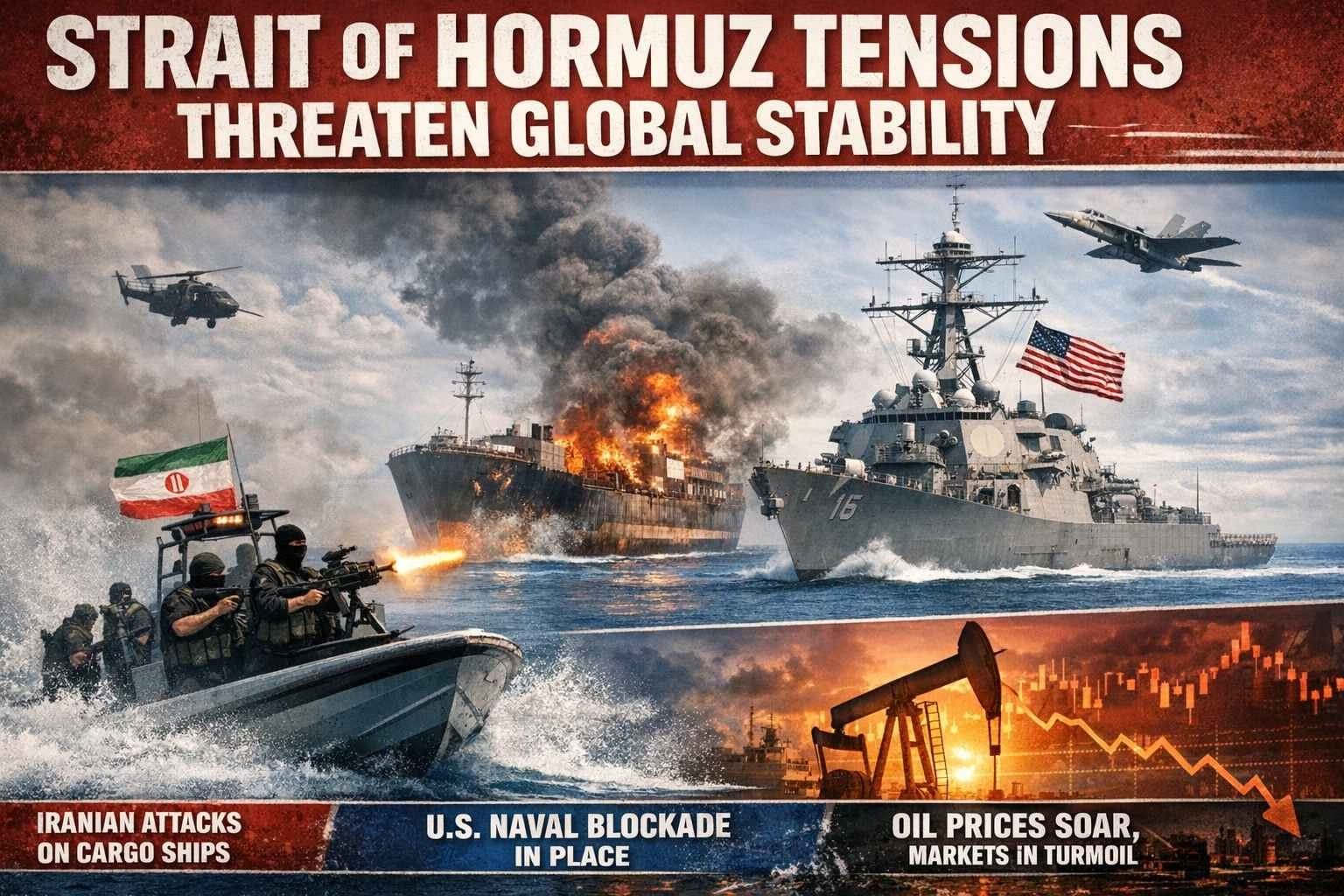
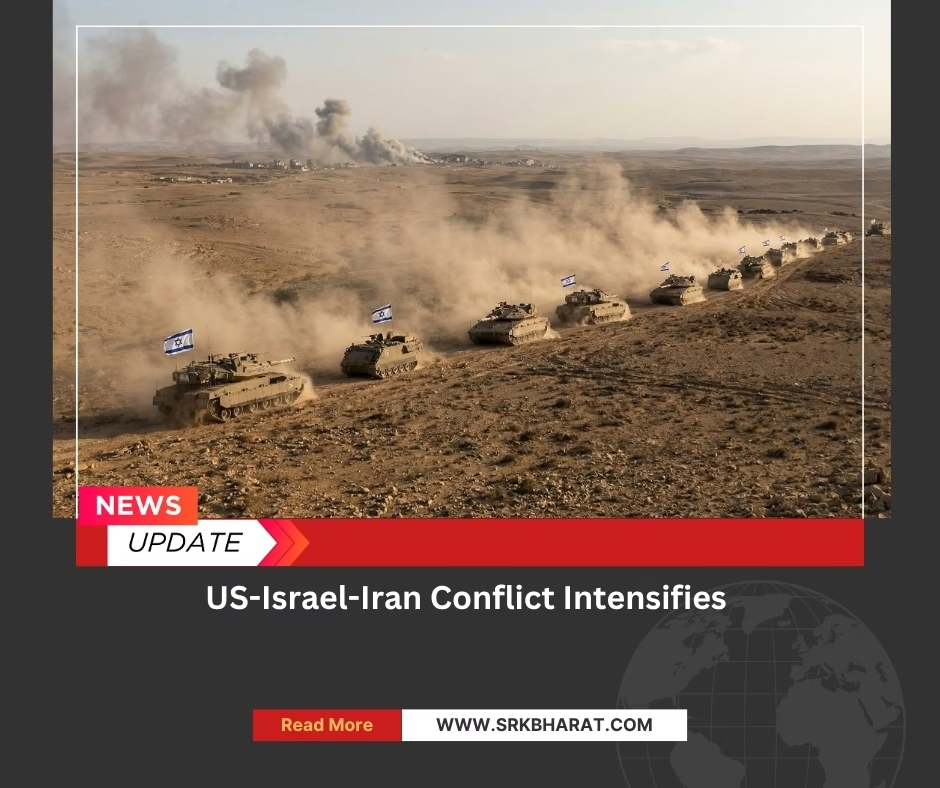
The Strait of Hormuz has once again become the epicenter of global geopolitical conflict as Iranian gunboats fired upon cargo ships attempting passage. The United States has responded with a reinforced naval blockade, insisting that the waterway will remain restricted until a comprehensive peace deal is secured. President Donald Trump declared that Iran “will not blackmail us,” signaling a hardline stance that has already rattled global markets. Two Indian vessels were forced to turn back, highlighting the international scope of the crisis. The incident underscores the fragile balance of power in the Gulf and the risks of escalation between Washington and Tehran.
Oil prices surged immediately following the attacks, with global energy markets thrown into turmoil. Analysts warn that prolonged disruption could trigger inflationary shocks worldwide, affecting households, businesses, and governments alike. Europe and Asia, heavily dependent on Gulf oil, are particularly vulnerable. The crisis has also reignited debates about energy security, with renewable energy advocates stressing the urgency of diversifying supply chains. Meanwhile, shipping companies are rerouting vessels, adding costs and delays to global trade.
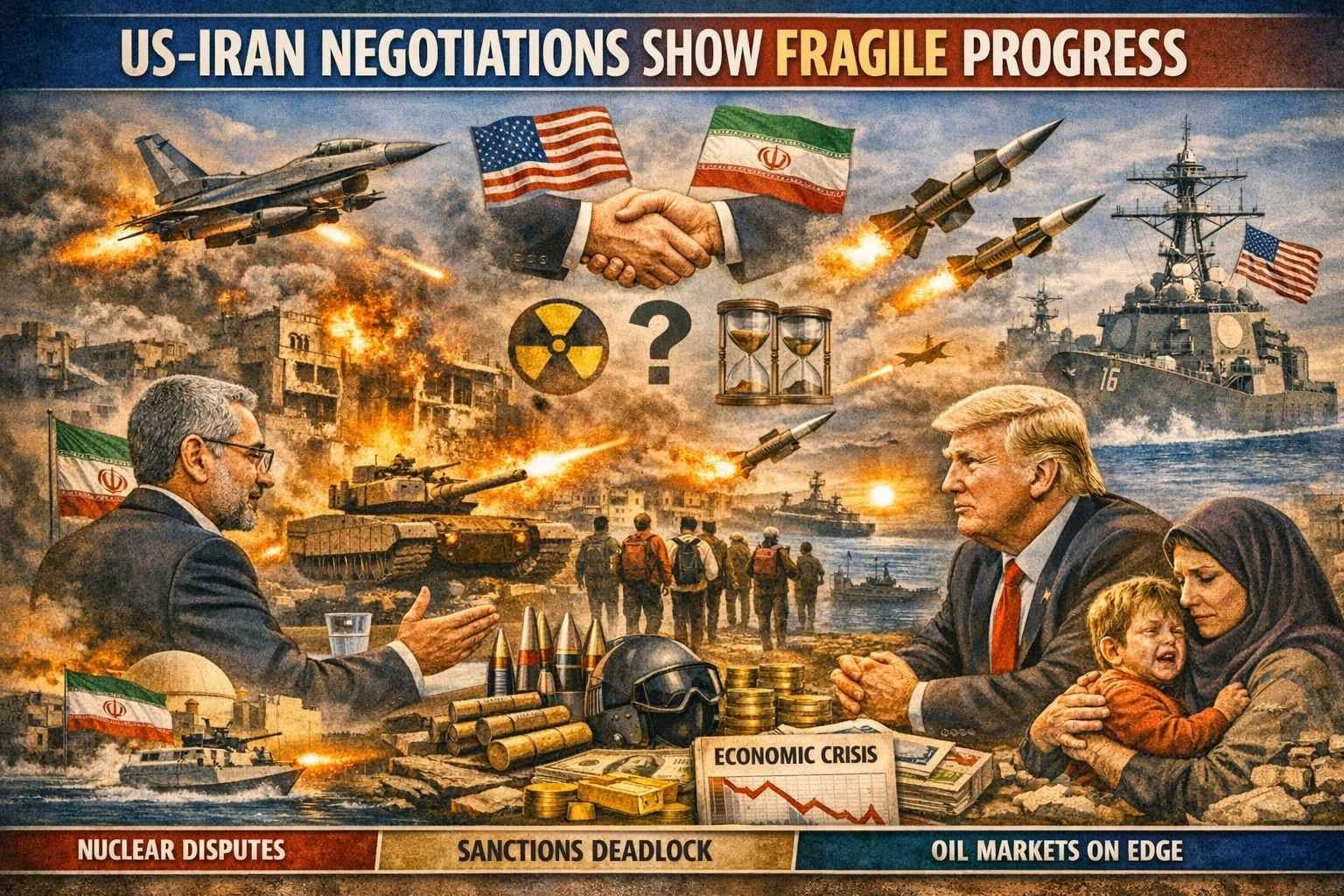
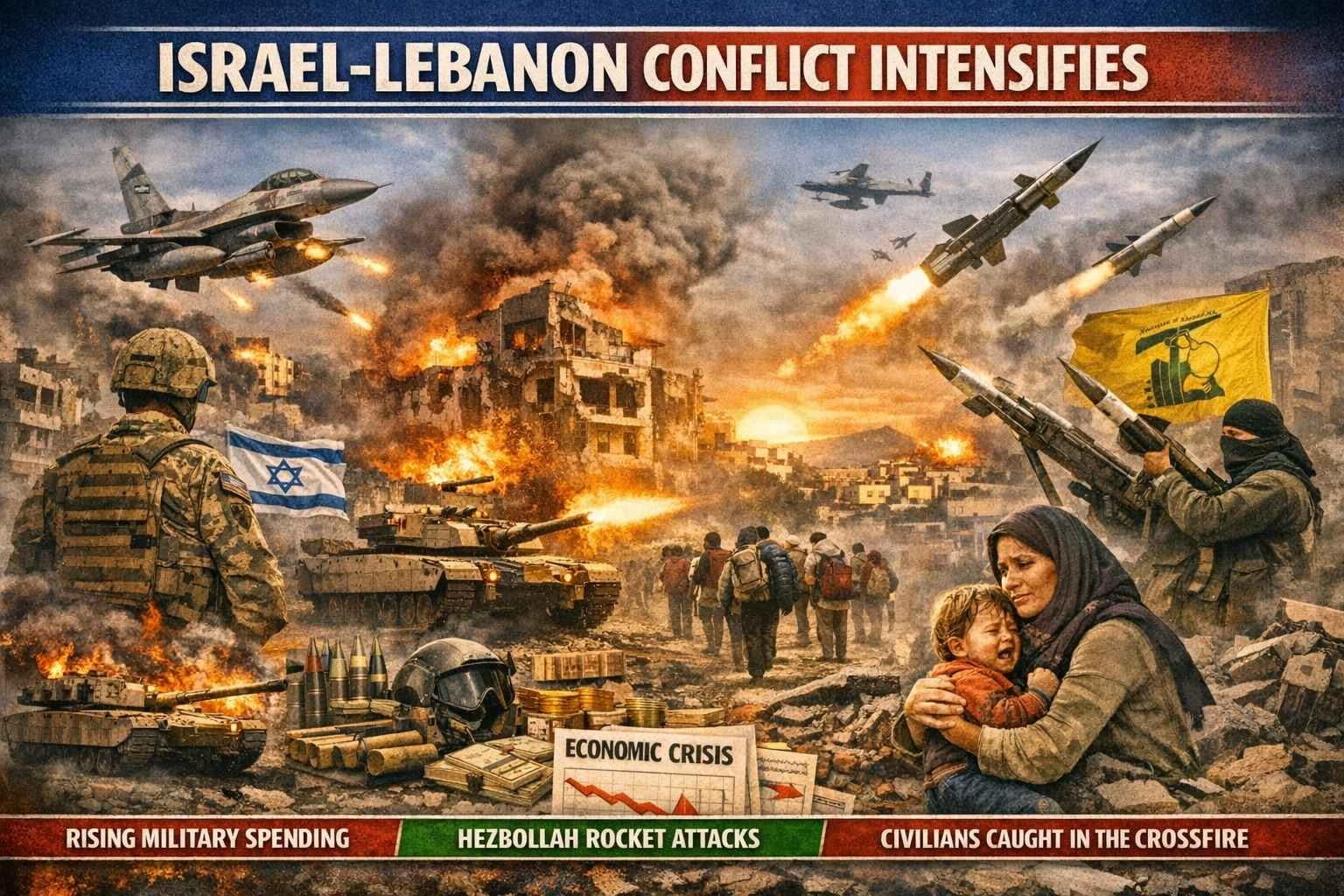
Diplomatic efforts remain stalled, with both sides exchanging accusations. Iran insists that U.S. sanctions and blockades are acts of aggression, while Washington argues that Tehran’s actions threaten international law and freedom of navigation. The United Nations has called for restraint, but member states remain divided over how to respond. France reported the death of a UN peacekeeper in Lebanon, further complicating regional dynamics. Israel has resumed strikes in Lebanon, adding another layer of instability to the Middle East.
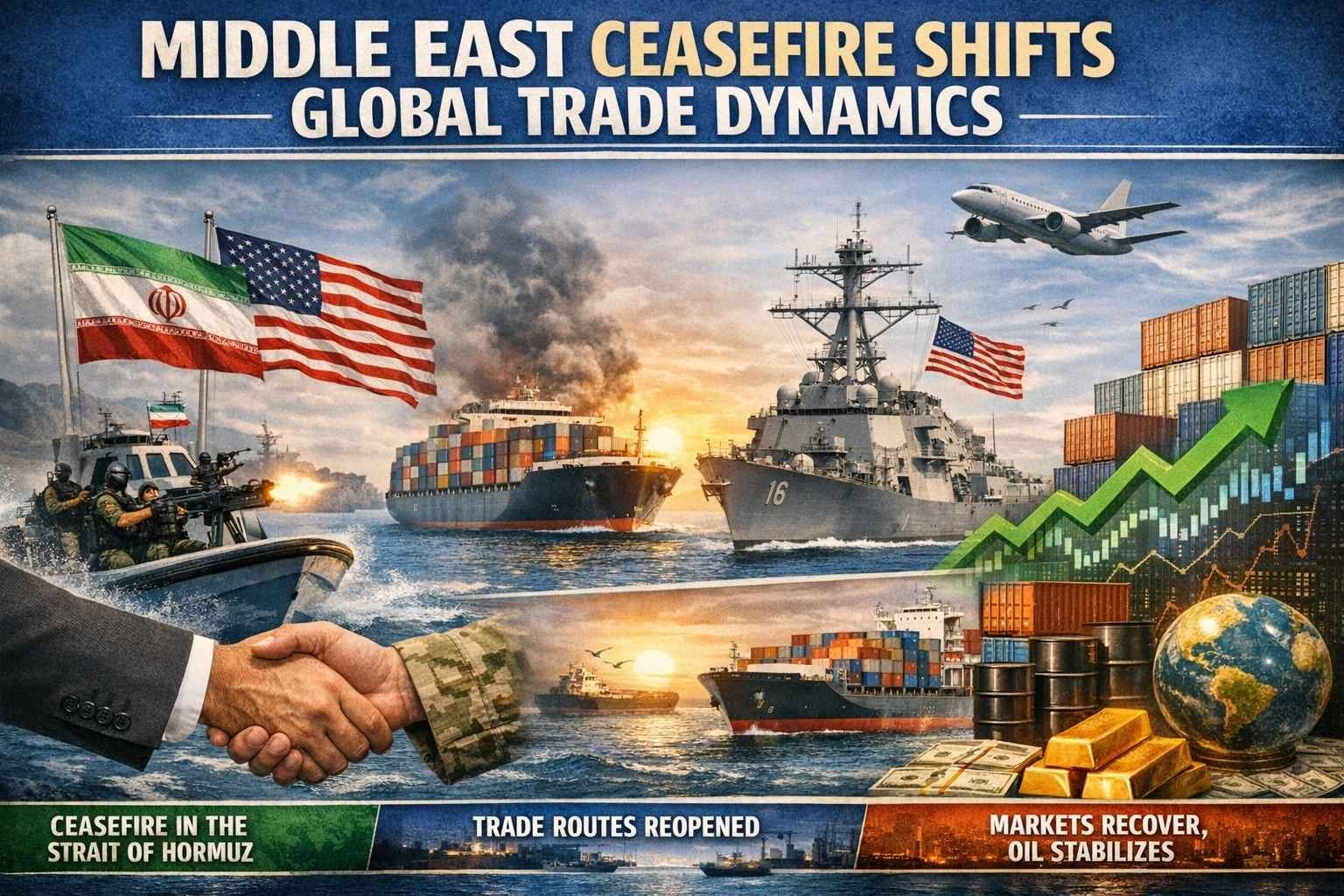
The Strait of Hormuz crisis is not merely a regional dispute but a global flashpoint with far-reaching consequences. As tensions mount, the world watches anxiously, aware that any miscalculation could ignite a broader conflict. The geopolitical stakes are immense, with energy, trade, and security all hanging in the balance.
Disclaimer: This article is based on current reports and may be subject to updates. Readers should follow official advisories for verified information.



















Leave a Reply