


The International Atomic Energy Agency (IAEA) confirmed on Thursday that off-site power has been successfully restored to the Zaporizhzhya Nuclear Power Plant (ZNPP) in Ukraine, ending a precarious period of reliance on emergency diesel generators. The restoration of the 750-kilovolt main external power line follows a series of disruptions that heightened global fears regarding a potential radiological disaster at Europe’s largest nuclear facility.
Context of the Energy Crisis
The Zaporizhzhya plant, currently occupied by Russian forces since early 2022, has faced repeated power outages throughout the ongoing conflict. External power is critical for the facility to operate essential cooling systems for its six reactors and spent fuel storage pools.
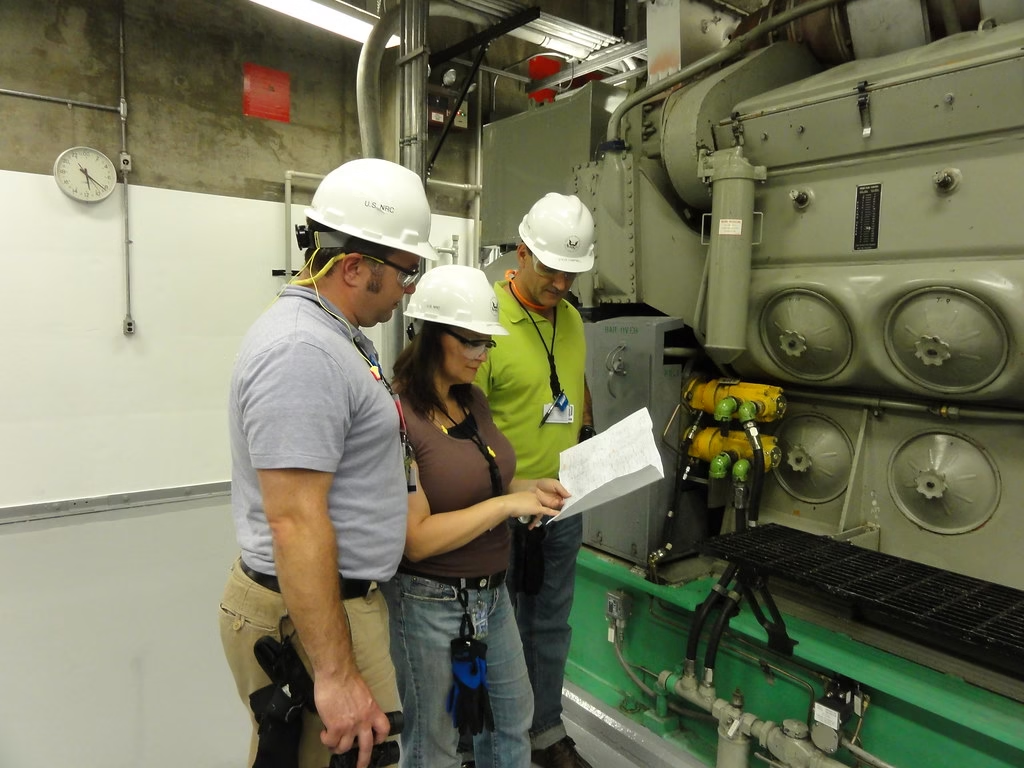
When external connections are severed, the plant is forced to rely on backup diesel generators. These systems are designed only for short-term use and carry significant risks if fuel supplies are interrupted or if the mechanical hardware fails under prolonged strain.
The Fragility of Nuclear Safety
The latest restoration comes after a period of intense instability in the region, characterized by shelling and infrastructure damage near the plant’s electrical substations. IAEA Director General Rafael Grossi has consistently warned that the facility’s safety status remains extremely fragile.
Data provided by the IAEA indicates that the plant has suffered eight total losses of off-site power since the start of the full-scale invasion. Each incident necessitates the activation of emergency protocols, which experts describe as a dangerous deviation from standard nuclear operating procedures.
Expert Perspectives and Technical Risks
Nuclear safety experts emphasize that relying on diesel backup is a temporary measure, not a sustainable safety solution. The Institute for Energy Security notes that mechanical failures in emergency generators are statistically more likely during extended operation cycles.
Furthermore, the physical proximity of active military operations to the power lines creates a recurring threat of collateral damage. Even with current repairs, the grid infrastructure remains vulnerable to future strikes, making the maintenance of a reliable external connection a daily logistical struggle for plant engineers on the ground.
Implications for Global Energy Security
For the international community, the restoration of power provides a brief respite but does not resolve the underlying security risks. The continued presence of military personnel and hardware within the plant’s perimeter remains a primary concern for international regulators.
The industry is now watching for the establishment of a permanent nuclear safety and security protection zone around the facility. Without a negotiated agreement to demilitarize the site and protect the surrounding power infrastructure, the risk of a catastrophic cooling failure remains a persistent threat to regional stability.
Moving forward, the IAEA is expected to continue its permanent monitoring mission at the site to ensure that the restored power lines remain operational. Observers are also monitoring potential shifts in grid management, as any further disruption to the primary lines will be treated by international monitors as a critical escalation in the ongoing nuclear safety crisis.






















Leave a Reply